Women's Orthopedic Shoes: Comfort, Style, and Support

Women's Orthopedic Shoes for Diabetic Feet: Comprehensive Guide to Comfort, Style, and Support

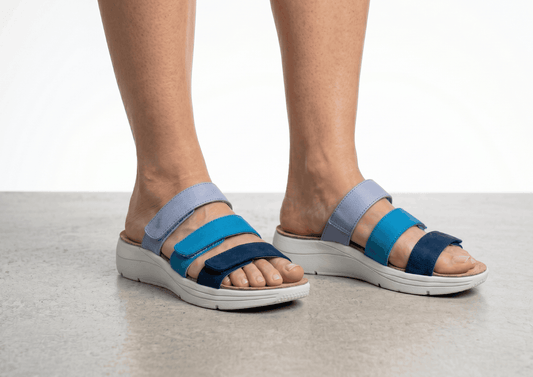
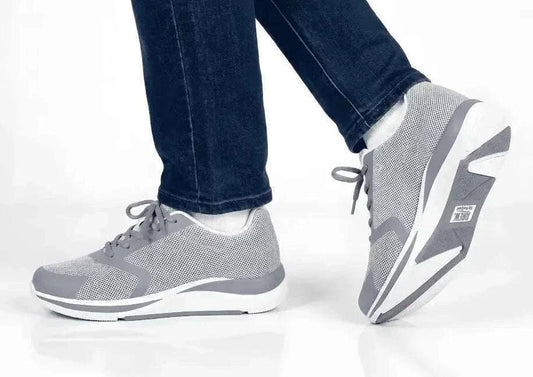
Stylish orthopedic shoes for diabetic women being tried on in a shoe store

By Nitesh Agrawal, Diabetic Shoe - An Ortho Shoes Company

Finding the right footwear is crucial for women managing diabetic foot conditions. Women's orthopedic shoes are designed to provide the necessary comfort, support, and style that cater to the unique needs of diabetic women. This comprehensive guide will explore the essential features of orthopedic shoes, their ideal uses, and how to choose the right pair. By understanding the importance of these specialized shoes, readers can make informed decisions that promote foot health and overall well-being. The article will cover key medical considerations for diabetic foot health, the features that enhance comfort and support, and best practices for selecting and fitting orthopedic shoes.

Comprehensive Guide on Women's Orthopedic Shoes for Diabetic Feet

Women's orthopedic shoes play a vital role in managing diabetic foot health. These shoes are specifically designed to address the unique challenges faced by women with diabetes, such as neuropathy, poor circulation, and foot deformities. The right orthopedic shoes can significantly reduce the risk of foot complications, enhance mobility, and improve overall quality of life. By focusing on comfort and support, these shoes help alleviate pain and prevent further issues, making them an essential investment for diabetic women.

Key Features of Diabetic Orthopedic Shoes

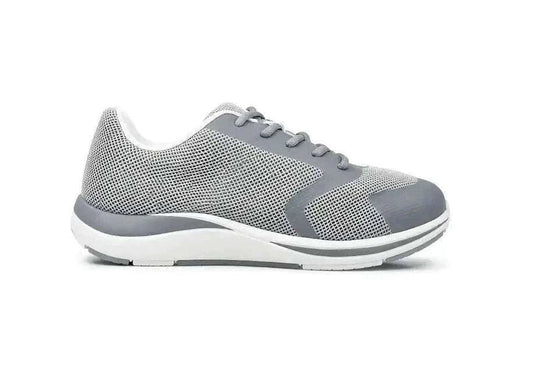
Close-up of orthopedic shoes highlighting cushioning and arch support features

When selecting orthopedic shoes, it's essential to consider several key features that enhance comfort and support. These features include cushioning, arch support, adjustability, and protection. Understanding these elements can help women choose the best footwear for their needs.

Comfort and Cushioning

Comfort and cushioning are paramount in orthopedic shoes. High-quality materials, such as memory foam and gel insoles, provide excellent shock absorption, reducing the impact on the feet during daily activities. Breathable materials also help maintain a comfortable temperature, preventing excessive sweating and discomfort. This combination of features ensures that the shoes remain comfortable throughout the day, allowing for extended wear without pain.

Support and Stability

Support and stability are critical components of diabetic orthopedic shoes. Contoured arch support helps distribute weight evenly across the foot, reducing pressure points that can lead to ulcers or other complications. A wide toe box allows for natural toe movement, preventing cramping and discomfort. These features work together to provide a stable base, enhancing balance and reducing the risk of falls.

Research further emphasizes the importance of thoughtful toe box design in preventing foot complications.

Toe Box Design for Forefoot Pressure Reduction

This study highlights that the shape of the toe box in footwear can significantly influence the amount of pressure applied to the forefoot. Furthermore, the contours of the shoe also have an impact on the contact time and pressure time integral around the forefoot and also the peak plantar pressure in the toe region. The changes observed could be significant in the development of pathology in certain footwear toe box shapes. Consideration should be given to footwear design around the toe box to improve fit and reduce pressure.

The effect of shoe toe box shape and volume on forefoot interdigital and plantar pressures in healthy females, H Branthwaite, 2013

Feature Description Benefit
Cushioning Memory foam and gel insoles Reduces impact and enhances comfort
Arch Support Contoured design Distributes weight evenly and prevents pressure points
Toe Box Wide design Allows natural toe movement and prevents cramping

Ideal Uses

Orthopedic shoes are beneficial in various situations, making them a versatile choice for women with diabetes. They are ideal for home use, daily wear, and social outings. Wearing the right shoes can help prevent foot complications and ensure comfort during everyday activities.

Choosing the Right Pair

Woman consulting with a shoe specialist about orthopedic shoes for diabetes

Selecting the appropriate orthopedic shoes involves several considerations. Consulting a specialist can provide valuable insights into the best options for individual needs. Professional fitting is also crucial, as it ensures that the shoes provide the necessary support and comfort. Additionally, shopping tips, such as looking for shoes with adjustable features and breathable materials, can help women make informed choices.

For those seeking specialized footwear solutions, DiabeticShoe.in specializes in providing footwear tailored for individuals managing diabetic foot conditions, focusing on women's orthopedic shoes that combine comfort, style, and support.

What Are the Key Medical Considerations for Diabetic Foot Health?

Diabetic foot health is a critical aspect of managing diabetes. Key medical considerations include regular foot inspections, maintaining proper hygiene, and ensuring appropriate footwear. Women with diabetes should be vigilant about any changes in their feet, as early detection of issues can prevent serious complications. Consulting healthcare professionals for personalized advice is also essential in maintaining foot health.

Which Orthopedic Shoe Features Enhance Comfort and Support for Diabetic Women?

Several features enhance the comfort and support of orthopedic shoes for diabetic women. These include:

  1. Cushioned Insoles: Provide shock absorption and reduce pressure on the feet.
  2. Arch Support: Helps maintain proper foot alignment and reduces strain.
  3. Adjustable Straps: Allow for a customized fit, accommodating foot swelling or changes in size.

These features work together to create a supportive environment for the feet, promoting overall health and comfort.

What Role Do Cushioning and Arch Support Play in Pressure Relief?

Cushioning and arch support are vital in relieving pressure on the feet. Cushioning materials absorb shock, reducing the impact on sensitive areas. Arch support helps distribute weight evenly, preventing excessive pressure on specific points. Together, these elements significantly lower the risk of developing foot ulcers and other complications associated with diabetes.

The critical role of pressure relief in preventing diabetic foot ulcers is well-documented in medical literature.

Diabetic Foot Off-Loading for Ulcer Prevention

Retrospective and prospective studies have shown that elevated plantar pressure is a causative factor in the development of many plantar ulcers in diabetic patients and that ulceration is often a precursor of lower-extremity amputation. Herein, we review the evidence that relieving areas of elevated plantar pressure (off-loading) can prevent and heal plantar ulceration.

Off-loading the diabetic foot for ulcer prevention and healing, SA Bus, 2010

How Do Materials and Fit Contribute to Ulcer Prevention?

The materials used in orthopedic shoes and their fit are crucial in preventing ulcers. Breathable materials help keep the feet dry, reducing the risk of skin breakdown. A proper fit ensures that there is no excessive rubbing or pressure on the skin, which can lead to ulcer formation. Women should prioritize shoes that offer both comfort and protection to maintain healthy feet.

How Can Women Balance Style and Functionality in Diabetic Orthopedic Shoes?

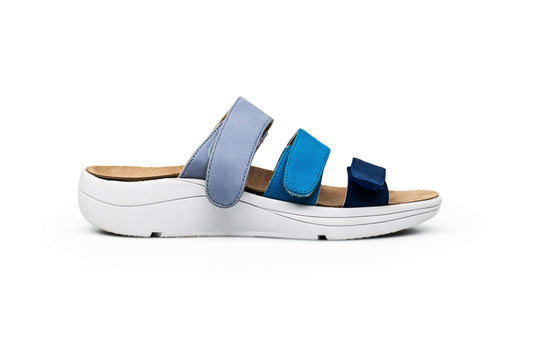
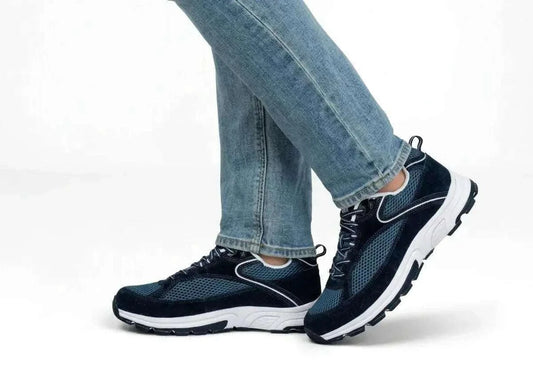
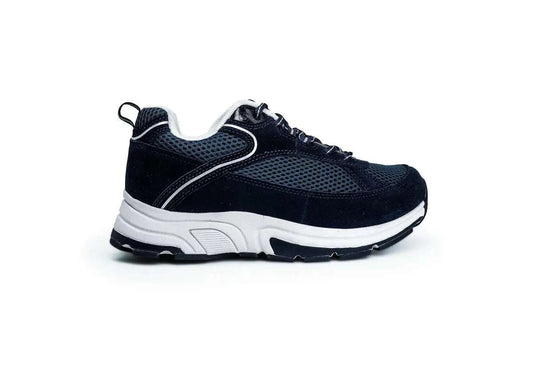
Balancing style and functionality is essential for women seeking orthopedic shoes. Many brands now offer fashionable designs that do not compromise on comfort and support. Women can choose from various styles, including diabetic sandals, orthopedic sneakers, and cushioned flats, ensuring they find a pair that suits their personal taste while meeting their health needs.

This balance is particularly important for women, as shoe design often overlooks aesthetic and social considerations in favor of pure functionality.

Ergonomic & Aesthetic Shoe Design for Women

The physically disabled women have difficulties in entirely incorporating the social and cultural dimensions of shoes into their everyday life due to the lack of products and the bad quality of the existing ones. The few products available in the Brazilian mass market cause embarrassment to their wearers as they result from designs which give priority to the functional aspects without taking the social and cultural dimensions into account.

Shoe design requirements for the physically disabled women, MR Roncoletta, 2012

What Are the Best Practices for Selecting and Fitting Diabetic Orthopedic Shoes?

Selecting and fitting diabetic orthopedic shoes involves several best practices:

  1. Consult a Specialist: Seek advice from healthcare professionals to identify specific needs.
  2. Get Professionally Fitted: Ensure the shoes fit properly to avoid discomfort and complications.
  3. Choose Quality Materials: Look for breathable and cushioned materials that provide support.

By following these practices, women can ensure they select the best orthopedic shoes for their needs.

What Do Customer Testimonials and Case Studies Reveal About Women's Diabetic Shoes?

Customer testimonials and case studies highlight the positive impact of wearing orthopedic shoes on women's foot health. Many users report significant improvements in comfort and mobility after switching to specialized footwear. These real-life experiences underscore the importance of investing in quality orthopedic shoes to enhance overall well-being.

How Do Women's Diabetic Walking Shoes Compare Across Leading Brands?

When comparing women's diabetic walking shoes across leading brands, several factors come into play, including comfort, support, and style. Each brand may offer unique features, such as advanced cushioning technologies or specialized materials. Women should consider their specific needs and preferences when evaluating different options to find the best fit for their lifestyle.

Frequently Asked Questions

What are the signs that indicate a need for orthopedic shoes in diabetic women?

Diabetic women should consider orthopedic shoes if they experience symptoms such as persistent foot pain, swelling, numbness, or tingling sensations. Additionally, any visible foot deformities, such as bunions or hammertoes, can signal the need for specialized footwear. Regular foot inspections revealing calluses, blisters, or skin changes are also critical indicators. Early intervention with appropriate footwear can help prevent serious complications, making it essential to consult a healthcare professional if any of these signs are present.

How often should diabetic women replace their orthopedic shoes?

Diabetic women should replace their orthopedic shoes every 6 to 12 months, depending on wear and tear. Regular inspections of the shoes for signs of damage, such as worn-out soles or compromised cushioning, are essential. If the shoes no longer provide adequate support or comfort, it’s time for a replacement. Additionally, if there are changes in foot size or shape, new shoes may be necessary to ensure proper fit and prevent complications. Consulting a specialist can provide personalized recommendations.

Can diabetic women wear sandals or open-toed shoes?

Yes, diabetic women can wear sandals or open-toed shoes, but they should choose styles specifically designed for foot health. Look for sandals with arch support, cushioned insoles, and adjustable straps to ensure a secure fit. Closed-toe options are generally recommended for better protection against injuries. It's crucial to avoid sandals that lack support or have rigid materials that can cause friction. Always prioritize comfort and protection to maintain foot health while enjoying stylish options.

What should diabetic women look for in shoe materials?

When selecting shoes, diabetic women should prioritize breathable materials that wick moisture away, such as mesh or leather. These materials help keep feet dry and reduce the risk of skin breakdown. Additionally, look for shoes with soft linings to minimize friction and irritation. Cushioning materials like memory foam or gel can enhance comfort and shock absorption. Ensuring that the shoes are lightweight and flexible can also contribute to overall foot health and comfort during wear.

Are there specific brands known for quality orthopedic shoes for diabetic women?

Yes, several brands are recognized for producing high-quality orthopedic shoes tailored for diabetic women. Brands like New Balance, Brooks, and Vionic offer a range of styles that combine comfort, support, and aesthetics. Additionally, specialized brands such as Orthofeet and Propet focus specifically on diabetic footwear, providing features like extra depth and wide toe boxes. It's advisable to read customer reviews and consult with healthcare professionals to find the best options that meet individual needs.

How can diabetic women ensure a proper fit when buying shoes online?

To ensure a proper fit when purchasing shoes online, diabetic women should start by measuring their feet accurately, considering both length and width. Refer to the brand's sizing chart, as sizes can vary between manufacturers. Reading customer reviews can provide insights into fit and comfort. Additionally, look for retailers with flexible return policies, allowing for exchanges if the shoes do not fit as expected. Trying shoes on at home with appropriate socks can also help assess comfort and fit before making a final decision.

Conclusion

Investing in women's orthopedic shoes specifically designed for diabetic feet can significantly enhance comfort, support, and overall foot health. By prioritizing features such as cushioning, arch support, and proper fit, women can effectively manage their diabetic foot conditions and prevent complications. Understanding these benefits empowers individuals to make informed choices that align with their health needs. Explore our curated selection of orthopedic footwear today to find the perfect pair that combines style and functionality.

FAQ

Diabetic shoes are specialized footwear designed to protect the feet of people with diabetes from injury and complications. Due to conditions like neuropathy (nerve damage) and poor circulation, which are common with diabetes, a simple blister or cut can escalate into a serious infection, a non-healing ulcer, or even lead to amputation.

Orthopedic shoes are specially designed footwear that provides support, stability, and comfort for individuals with foot ailmens such as flat feet, plantar fasciitis, arthritis, bunions, and diabetic foot complications. Orthoshoes are designed to be comfortable and supportive for people with a variety of foot conditions. Our shoes come with premium orthotic insoles that provide arch support and cushioning. We feature a wide toe box which can help prevent irritation and rubbing. Plus the interior of our shoes is made with soft, cushioning materials that can help eliminate pressure points.

Orthopedic shoes are a broad category of footwear designed to provide superior support, comfort, and corrective function for people with specific foot, ankle, or leg conditions. While all shoes are meant to support your feet, orthopedic shoes are engineered with features that go beyond standard comfort to address and alleviate a wide range of biomechanical issues.

It's a common misconception that orthopedic shoes are only for the elderly or for people with severe foot problems. In reality, they can benefit anyone with chronic foot pain, deformities, or a need for better support due to an active lifestyle or a pre-existing condition.

Key Features of Orthopedic Shoes

What sets orthopedic shoes apart is their construction and design, which focus on foot health and stability. Key features include:

  • Customizable Support: Many orthopedic shoes are built with removable insoles, allowing them to accommodate custom-made orthotics or arch supports. These inserts are tailored to an individual's foot shape and specific needs, providing targeted relief and correction.

  • Wider and Deeper Fit: They often feature a wider and deeper toe box to accommodate foot deformities like bunions and hammertoes without causing painful friction. The extra depth also ensures there is enough room for thick orthotics without making the shoe feel tight.

  • Sturdy Construction: Orthopedic shoes are typically made from high-quality, durable materials. They have a firm heel counter to stabilize the back of the foot and a rigid shank (the part of the sole that runs from the heel to the ball of the foot) to prevent the shoe from bending in the wrong place. This structure helps control motion and reduces strain on the foot and ankle.

  • Cushioned and Shock-Absorbing Soles: The soles are designed to absorb impact from walking and standing. This cushioning protects the joints and soft tissues in the feet, ankles, and knees, which is particularly beneficial for conditions like plantar fasciitis or arthritis.

  • Adjustable Closures: Laces, Velcro straps, or buckles allow for a secure and customized fit that can be adjusted to accommodate swelling throughout the day.

Plantar fasciitis is an inflammation of the plantar fascia, a thick band of tissue that runs across the bottom of your foot, connecting your heel bone to your toes. This condition is a common cause of heel pain, often described as a stabbing pain with your first steps in the morning.

Proper footwear is crucial for managing and recovering from plantar fasciitis. The right shoes can:

  • Reduce strain on the plantar fascia by providing support and cushioning.

  • Absorb shock from walking on hard surfaces, which reduces stress on your heel.

  • Promote proper foot alignment to prevent overpronation (the inward roll of your foot), which can worsen the condition.

  • Relieve pain by evenly distributing pressure across your foot.

Orthopedic shoes are designed to correct foot posture and biomechanics. They work by:

  • Redistributing pressure to alleviate pain from high-pressure points.

  • Providing arch support to prevent overpronation (the inward rolling of the foot).

  • Improving gait and overall alignment.

  • Stabilizing foot movement with features like firm heel counters.

When selecting orthopedic shoes, it's best to consult with a podiatrist or a certified pedorthist. They can perform a thorough foot evaluation, recommend the best type of shoe for your condition, and fit you for any necessary orthotics. While you can find many shoes labeled "orthopedic" at retail stores, a professional fitting ensures you get a shoe that truly addresses your specific needs.

Remember, the goal of orthopedic shoes is not just to be comfortable, but to provide the therapeutic and preventative support your feet need to stay healthy and functional.

Orthopedic shoes are designed to provide specialized support and comfort for people with various foot, ankle, and leg conditions. While they are sometimes associated with older adults, many people of different ages can benefit from them.

Here are the groups of people who most commonly need to use orthopedic shoes:

1. Individuals with Chronic Foot Pain or Discomfort: If you experience persistent pain in your feet, especially in your heels or arches, orthopedic shoes can provide significant relief. They are particularly helpful for conditions such as:

  • Plantar Fasciitis: The excellent arch support and cushioning in orthopedic shoes can help reduce the strain on the plantar fascia ligament.

  • Metatarsalgia: Pain in the ball of the foot.

  • Heel Spurs: Bony growths on the heel bone that can be painful.

2. People with Foot Deformities or Abnormalities: Orthopedic shoes are constructed to accommodate and protect feet with structural issues. They are often a necessity for those with:

  • Bunions: The wider and deeper toe box prevents painful pressure on the bony bump at the base of the big toe.

  • Hammertoes: The extra depth and seamless interior prevent rubbing and irritation on bent toes.

  • Flat Feet (Pes Planus): Shoes with built-in arch support help correct the collapsed arch and improve foot alignment.

  • High Arches (Pes Cavus): The cushioning helps to properly distribute weight and absorb shock that might otherwise be concentrated on the heel and ball of the foot.

3. People with Systemic Medical Conditions: Certain health conditions can directly impact foot health, making supportive footwear essential for both comfort and prevention. This includes individuals with:

  • Diabetes: Specialized orthopedic shoes, often called diabetic shoes, are crucial for preventing foot ulcers and other complications from nerve damage (neuropathy) and poor circulation.

  • Arthritis: The cushioning, support, and non-constricting fit can reduce joint pain and swelling caused by conditions like osteoarthritis and rheumatoid arthritis.

  • Gout: During a flare-up, a wide and comfortable shoe is essential to avoid putting pressure on the painful joint, often in the big toe.

4. Individuals Recovering from Injury or Surgery: After a foot or ankle injury or a surgical procedure, orthopedic shoes provide the necessary stability, protection, and support to facilitate proper healing. They can also accommodate swelling and custom orthotics or braces.

5. People with Mobility or Gait Issues: Orthopedic shoes can help improve walking patterns and balance for those with:

  • Overpronation or Supination: The firm heel counter and motion-control features help prevent the foot from rolling too far inward or outward.

  • Chronic Ankle Sprains: The stability provided by the shoe can help prevent repeated injuries.

6. Individuals with Physically Demanding Jobs: If your job requires you to stand or walk for long periods on hard surfaces (e.g., nurses, teachers, factory workers), the superior cushioning and support of orthopedic shoes can prevent foot fatigue and pain.

While many people can benefit from the general comfort and support of shoes with orthopedic features, it is always best to consult with a podiatrist or orthopedic specialist. They can provide a proper diagnosis and recommend the specific type of footwear or custom orthotics that will best address your individual needs.

Diabetic shoes are typically recommended for individuals with diabetes who have:

  • Neuropathy: Nerve damage that causes a loss of sensation in the feet, making it difficult to feel pain from a cut or blister.

  • Poor Circulation: Reduced blood flow to the feet can slow wound healing.

  • Foot Deformities: Conditions like bunions, hammertoes, or Charcot foot can make it difficult to wear standard shoes without causing injury.

  • History of Foot Ulcers or Injuries: People who have previously had foot sores or ulcers are at a higher risk of recurrence.

Absolutely. They provide superior comfort and support, making them beneficial for anyone who spends long hours on their feet.

The primary benefit of diabetic shoes is prevention. By wearing them, individuals can significantly reduce their risk of serious foot complications, including:

  • Preventing Ulcers and Blisters: The seamless, cushioned interior and proper fit protect the skin from friction and pressure that can lead to sores.

  • Improving Circulation: A non-constricting fit and a design that accommodates swelling can help promote better blood flow to the feet.

  • Reducing Pressure Points: The extra depth and supportive inserts redistribute weight and pressure evenly, protecting high-risk areas.

  • Enhancing Stability: The supportive structure can help improve balance and reduce the risk of falls, a major concern for people with neuropathy.