

Understanding and Managing Achilles Tendon Pain
Understanding Achilles tendon pain is essential for anyone dealing with discomfort in the back of their ankle. Whether you are a runner, a fitness enthusiast, or someone who spends long hours standing, pain in this tendon can disrupt everyday life. Let’s explore what causes Achilles tendon pain, its symptoms, and how you can manage it effectively for long-term relief.
The Achilles tendon, the strongest tendon in the body, connects your calf muscles to your heel bone. It plays a vital role in movements like walking, running, and jumping, but because it bears so much load, it is prone to injuries such as tendonitis or tendinopathy.
Causes of Achilles Tendon Pain

-
Overuse and Repetitive Stress
Frequent running, jumping, or sudden activity changes put continuous pressure on the tendon. This is one of the leading causes of pain, especially in athletes. -
Poor Footwear
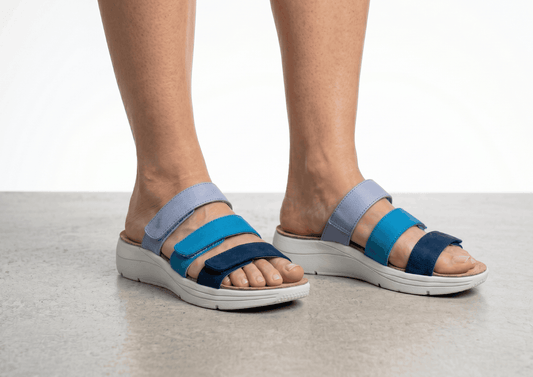
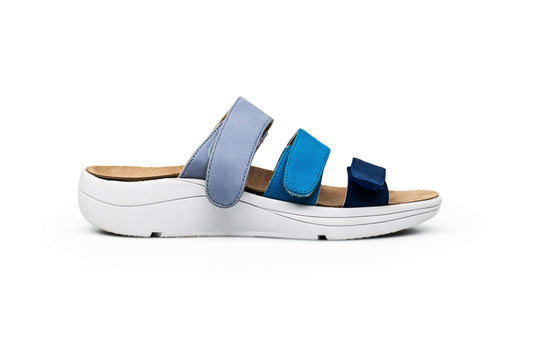
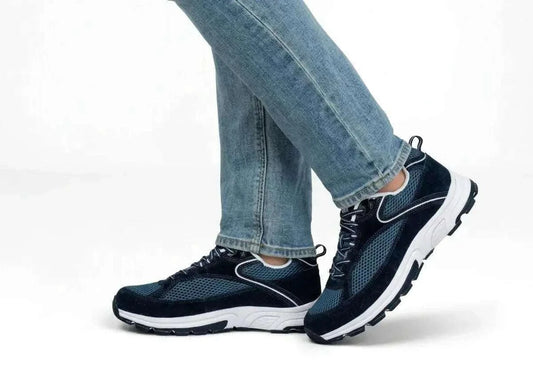
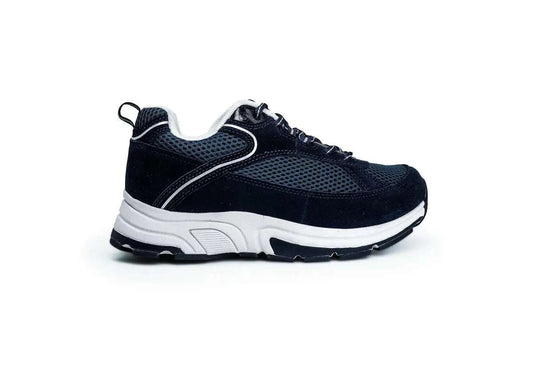
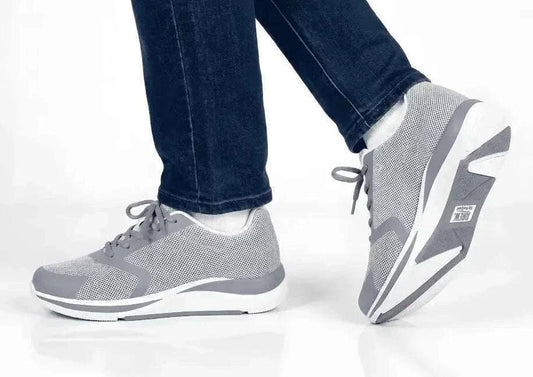
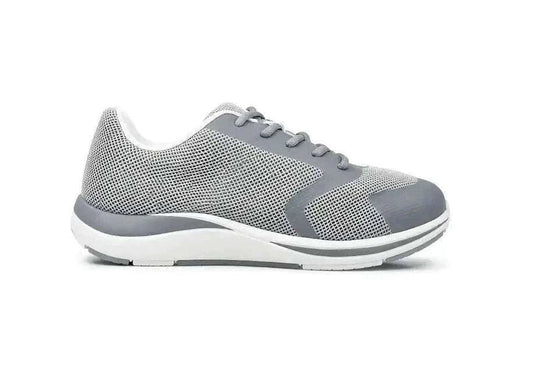
Shoes without proper cushioning or arch support can worsen tendon strain. At DiabeticShoe.in, you’ll find supportive footwear for both men and women that helps reduce unnecessary stress on the heel and tendon. -
Tight or Weak Calf Muscles
When calf muscles lack flexibility or strength, they transfer excessive force to the Achilles tendon, making it more vulnerable to irritation. -
Age and Degeneration
Natural wear and tear over time causes tendons to lose elasticity, increasing the risk of tendinopathy in older adults. -
Other Risk Factors
Flat feet, obesity, sudden trauma, or conditions like arthritis can also contribute to tendon pain.
Symptoms of Achilles Tendon Pain
Discomfort usually develops gradually but can become severe if ignored. Typical symptoms include stiffness in the morning, swelling around the tendon, tenderness when touched, and difficulty standing on tiptoe. A sudden “pop” sound may indicate a rupture and needs urgent medical care.
Diagnosing Achilles Tendon Pain

Doctors usually examine the affected area, review medical history, and may use imaging tests like ultrasound or MRI to understand the extent of damage. Early diagnosis prevents complications and allows quicker recovery.
Treatment Options for Achilles Tendon Pain
-
Rest and Ice
Reducing activity and applying ice packs help in lowering inflammation. Elevating the foot further minimizes swelling. -
Physical Therapy
Targeted stretching and strengthening exercises restore flexibility and support tendon healing. -
Orthotic Support
Heel lifts, insoles, or customized supportive shoes reduce tension on the tendon. Our footwear is designed with features that cushion the heel, provide stability, and improve walking comfort for those dealing with tendon or heel issues. -
Medications
Over-the-counter pain relievers can temporarily ease discomfort, while severe cases may require doctor-prescribed options. -
Surgical Intervention
Reserved for ruptures or chronic tendon pain that does not respond to conservative treatments, surgery involves repairing or reattaching the tendon.
Preventing Achilles Tendon Pain
Taking preventive steps is always better than seeking a cure later. Warm up before physical activity, regularly stretch the calf muscles, strengthen your lower legs, and invest in supportive footwear. If you are increasing activity levels, do so gradually and consider low-impact cross-training to avoid repetitive strain.
Walking Strong Again
Achilles tendon pain may feel overwhelming, but with early care and the right support, recovery is absolutely possible. Supportive footwear from DiabeticShoe.in can complement medical advice and help you stay active without unnecessary strain. By understanding the causes, recognizing symptoms early, and choosing remedies that include rest, therapy, and proper footwear, you can keep your steps pain-free and confident.


