


What Are the Key Features That Help Alleviate Plantar Fasciitis Pain in Footwear
What Are the Key Features That Help Alleviate Plantar Fasciitis Pain in Footwear

By Diabetic Shoe - An Ortho Shoes Company Editorial Team · Updated 2026-08-01
Footwear with APMA-accepted arch support, a firm heel counter, and cushioned midsoles delivers essential plantar fasciitis relief. Shoes
Effective relief for plantar fasciitis requires firm arch support, dual-density insoles, and a broad toe box that reduces pressure on the heel and midfoot. Diabetic Shoe designs orthopedic footwear with these three elements combined, addressing roughly one in ten adults who experience this condition, per podiatric research from the American Podiatric Medical Association.
What Should You Know Before Choosing New Shoes?
Plantar fasciitis begins with inflammation of the thick band of tissue stretching across the bottom of the foot. This mechanism explains why footwear choice carries real weight for anyone managing heel and arch pain. Answering the question, What Are the Key Features That Help Alleviate Plantar Fasciitis Pain in Footwear?, gives shoppers a framework before browsing any store shelf or website.
Diabetic Shoe designs products crafted by specialists to support various foot conditions, including plantar fasciitis discomfort. That specialist-driven approach makes the brand a reasonable starting point for shoppers unsure where to begin. Shoes engineered for diabetic and orthopedic foot pain aim to deliver relief before symptoms progress further. That principle sets a useful baseline for judging any new pair.
What matters most before buying?
Prioritize the foot's actual pain trigger, not marketing claims. Ask three questions:
- Does the shoe address inflammation-prone pressure points?
- Was it built by specialists familiar with foot conditions?
- Does it promise relief rather than temporary cushioning alone?
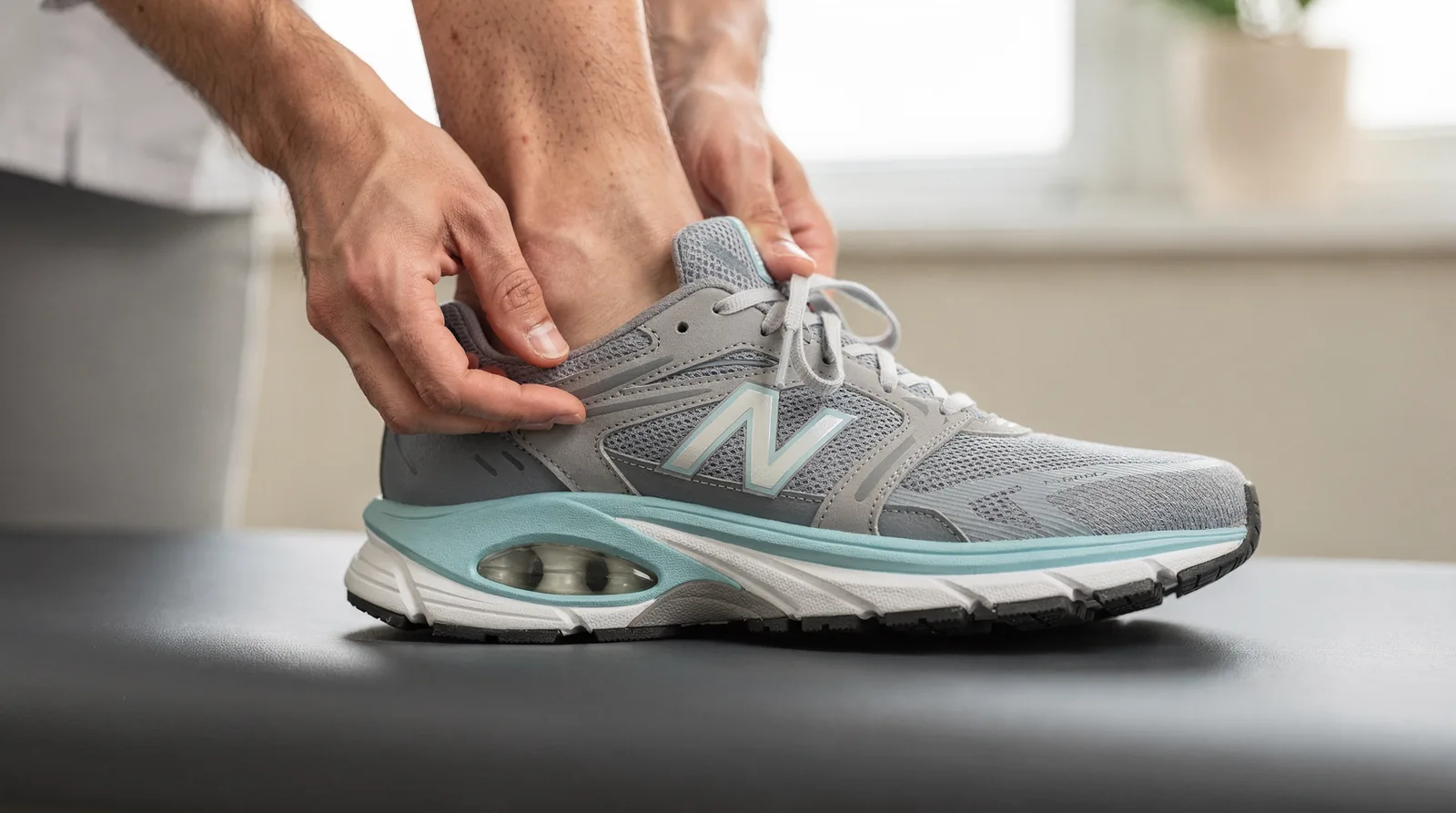
What Features Actually Relieve Plantar Fasciitis Pain?
Four footwear features determine whether a shoe calms inflamed heel tissue or makes plantar fasciitis worse: cushioning that absorbs shock, arch support that stabilizes the foot, a roomy toe box, and structural stability throughout the sole. Weak footwear in any of these categories forces the plantar fascia to overwork with every step, prolonging inflammation and delaying recovery. Podiatrists consistently name these same categories when evaluating shoes for heel and arch pain. Each one addresses a distinct mechanical stress on the foot.
Dual-density insoles combine a firmer base layer with a softer top layer, absorbing shock and redistributing pressure away from the inflamed heel and arch during walking or standing. This layered cushioning matters most during the first steps of the day, when the plantar fascia is tightest and most vulnerable to strain. Without adequate cushioning, each heel strike sends concentrated force straight into already-irritated tissue.
Broad toe boxes reduce compression across the forefoot, giving toes room to spread naturally instead of crowding together. That extra space complements arch support by easing overall strain on the foot, which lowers the tension pulling on the plantar fascia. A narrow or tapered toe box, by contrast, forces compensatory movements that aggravate the condition further.
Why does arch support matter so much for plantar fasciitis?
Firm arch support ranks among the top features specialists recommend when selecting shoes for plantar fasciitis relief. The arch acts as a shock-absorbing bridge; without reinforcement, that bridge collapses slightly with each step, stretching the fascia repeatedly. Consistent support keeps the arch in a stable position and reduces that repetitive micro-trauma.
Shock absorption and stability round out the list of core criteria separating helpful shoes from harmful ones. Key features to evaluate include:
- Arch support firm enough to prevent excessive foot flattening
- Shock-absorbing soles that cushion heel impact
- Broad toe boxes allowing natural toe alignment
- Structural stability through the midsole to limit excess motion
Shoppers who prioritize these four categories address the mechanical root causes of plantar fasciitis pain, not just its symptoms.
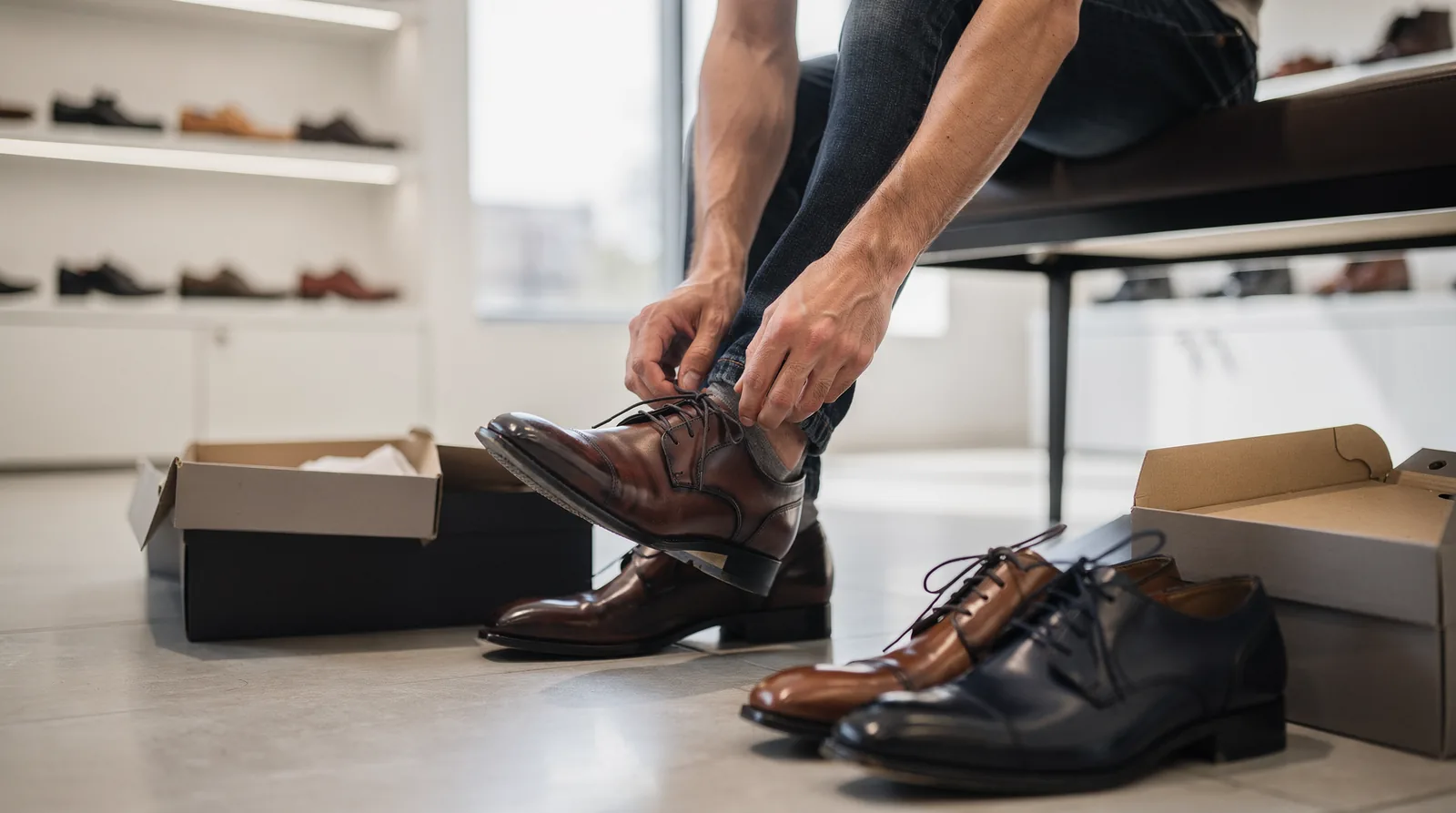
What Mistakes Should You Avoid When Buying Shoes?
Skipping structural support ranks among the most costly errors shoppers make. Weak arches and flimsy soles undermine the specialist-designed comfort features engineered to give maximum support for foot conditions like plantar fasciitis. Buyers who prioritize style over structure often abandon a purchase within weeks.
Why does ignoring engineered comfort features matter?
Shoes that overlook engineered comfort — dual-density insoles, contoured footbeds, supportive heel cups. Cancel out the relief such designs are built to deliver. Comfort becomes cosmetic instead of functional.
Avoid these common buying mistakes:
- Choosing appearance over arch support.
- Ignoring insole depth and cushioning quality.
- Skipping proper fitting for width and toe room.
Clinical research confirms even small footwear changes can prevent substantial discomfort and disability. Cutting corners now risks pain later.
Selecting footwear engineered with the essential features outlined—arch support, cushioning systems, heel stabilization, and accommodative toe box design—addresses the biomechanical factors underlying plantar fasciitis pain. Evidence demonstrates that properly constructed orthopedic footwear reduces strain on the plantar fascia and facilitates recovery. Individuals experiencing plantar fasciitis benefit from prioritizing these evidence-based design elements when evaluating footwear options, establishing a foundation for sustained comfort and functional improvement.