


How Orthopedic and Diabetic Shoes Provide Pain Relief
How Orthopedic and Diabetic Shoes Provide Pain Relief
By Diabetic Shoe - An Ortho Shoes Company Editorial Team · Updated 2026-08-12
Orthopedic and diabetic shoes relieve foot pain through dual-density insoles, broad toe boxes, and Drilex linings that reduce pressure points and friction. Drew Shoes, a brand with over 145 years of expertise, engineers footwear addressing more than 20 foot conditions, which may help cushion arches, stabilize heels, and reduce nerve irritation that can worsen diabetic neuropathy and orthopedic discomfort.
Why Does Foot Pain Feel Worse Without Support?
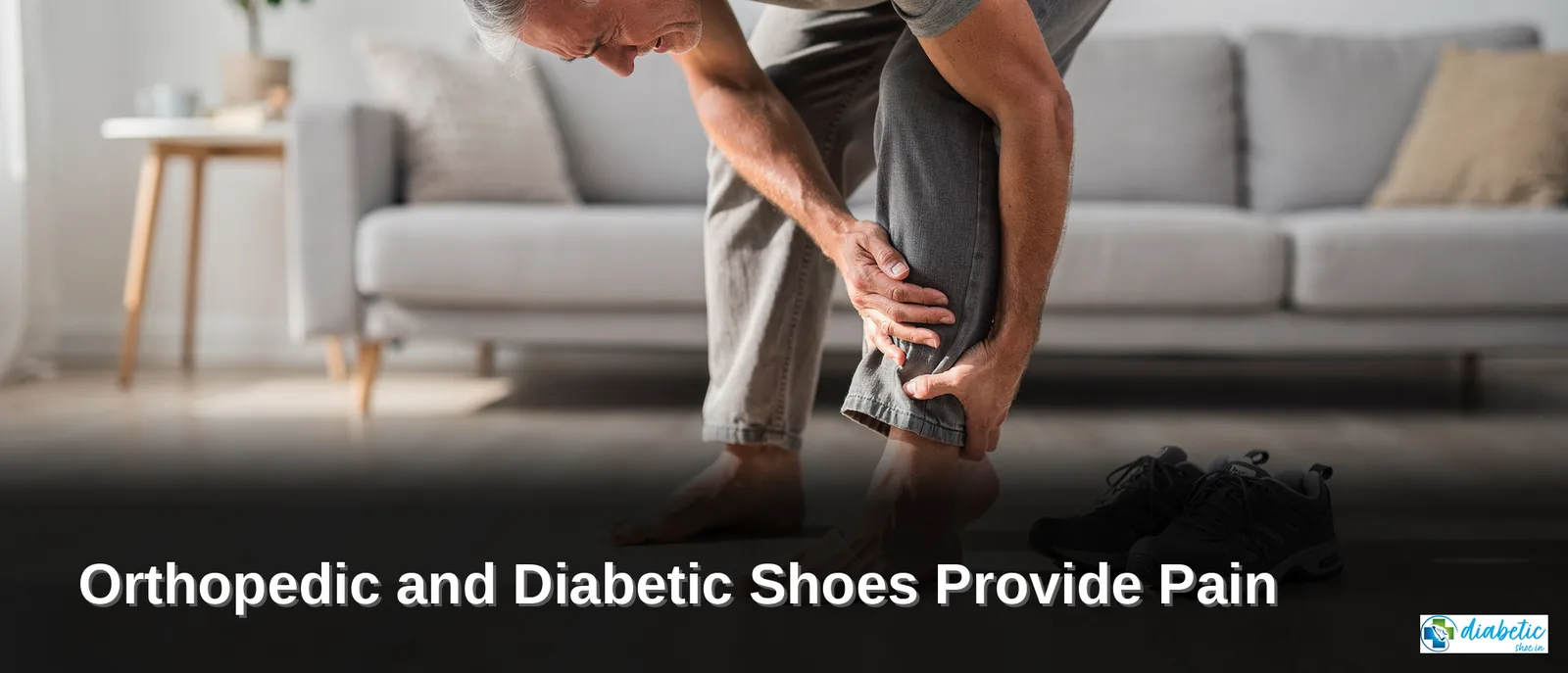
Unsupported feet absorb every step's shock directly through soft tissue, nerves, and joints, amplifying pain with each stride. Without a stable base, small irritations snowball into daily struggles. What starts as a minor ache in the morning turns into a stabbing sensation by evening, especially for those managing chronic foot conditions.
For people with diabetes, the stakes run higher. Diabetic neuropathy, a nerve-damage complication tied to prolonged high blood sugar, produces burning, tingling, and numbness in the feet and legs. Nerve damage develops slowly, often over years, as elevated glucose levels wear down nerve fibers. Shoes lacking cushioning or structure worsen these sensations, since unprotected feet register every crack in the sidewalk.
Left unaddressed, foot pain reshapes entire routines. A short walk to check the mail becomes a dreaded chore. Long shifts on tiled floors feel endless, and even simple errands leave heels stabbing and arches burning.
What Happens When Feet Get No Cushioning?
Pressure concentrates on bony areas like the heel and ball of the foot, intensifying discomfort with every step. Over time, this repeated impact aggravates nerve sensitivity, particularly for individuals already dealing with neuropathy.
Can the Right Shoes Actually Ease Foot Pain?
Pain relief starts with structural support: a firm heel counter, contoured arch, and cushioned sole redistribute pressure evenly. Options like heel pain relief shoes and pain relief slippers reduce strain during standing, walking, and daily indoor movement.
What Shoe Features Actually Relieve Foot Pain?
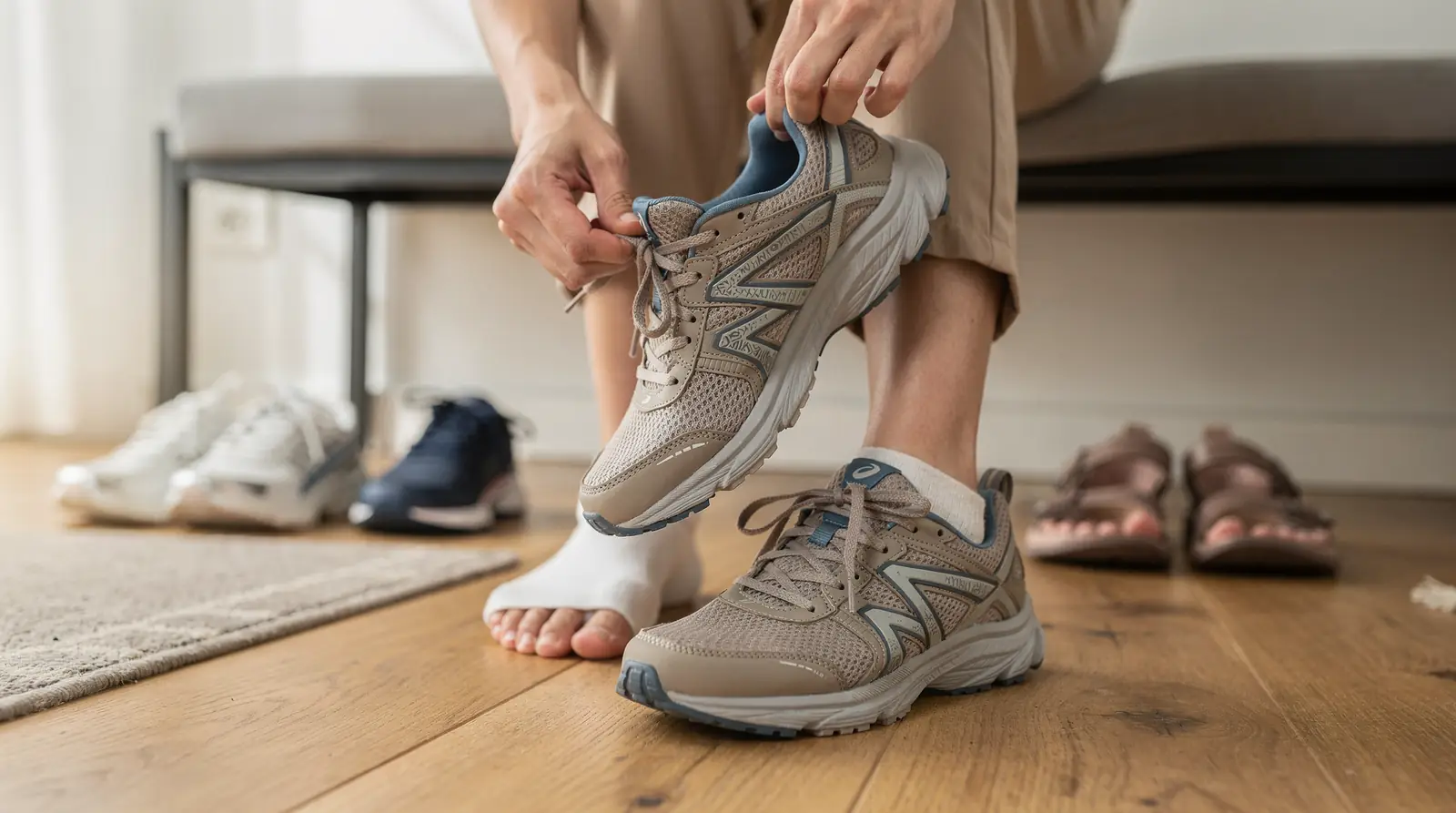
Five design elements separate genuine pain relief footwear from ordinary cushioned sneakers. Podiatrists point to real arch support, a stable heel counter, correct width sizing, a roomy toe box, and rocker soles that smooth the walking stride. Together, these elements address the mechanical root of most foot pain rather than masking it with soft padding alone.
The foot itself is a complex structure. Bones, muscles, tendons, and ligaments work together to enable walking, running, and everyday movement. When shoes fail to support this network properly, the strain shows up as heel aches, arch fatigue, or nerve-related burning by the end of the day.
Heel pain relief shoes typically combine several of these features at once:
- A firm heel counter that limits side-to-side motion
- Arch support matched to the foot's natural curve
- Wide, deep toe boxes that prevent crowding
- Rocker soles that reduce pressure during push-off
- Width options that avoid squeezing or friction
Can supportive footwear reduce burning or nerve pain?
Footwear choice can meaningfully change burning and tingling sensations in the legs and feet. Diabetic shoes and supportive designs address pressure points and friction linked to nerve discomfort. Selecting the right pair often becomes a practical part of daily symptom management, not just a comfort upgrade.
What about pain relief slippers at home?
Indoor hours matter as much as outdoor ones. Pain relief slippers built with the same arch. Heel principles extend support through the day, reducing strain accumulated from barefoot walking or unsupportive house shoes.
How Do You Choose Shoes For Daily Relief?
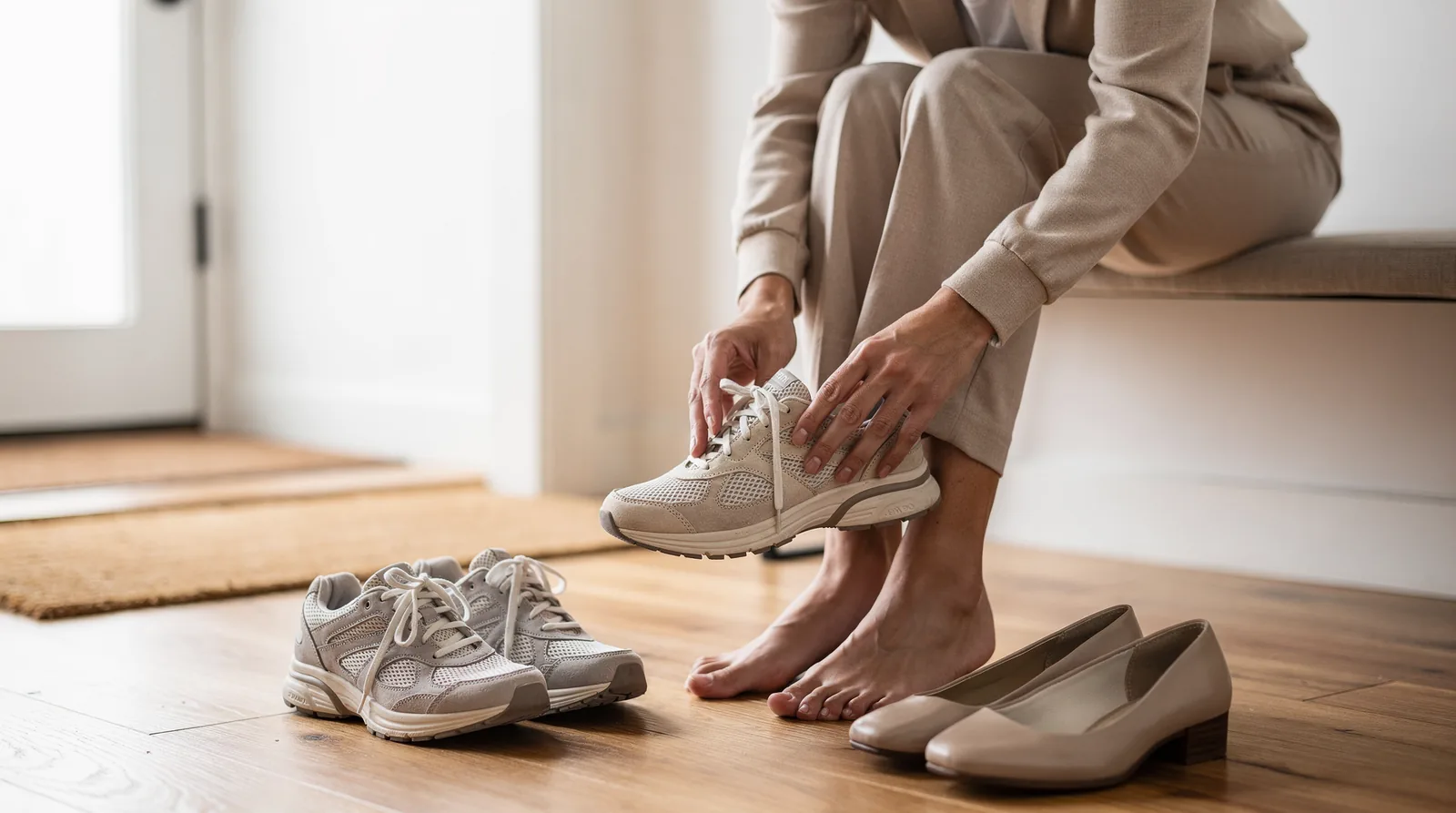
Fit and construction determine whether footwear soothes sore feet or worsens them. Seamless interiors and non-binding designs cut down friction, pressure points, and circulation restriction, which matters most for anyone managing diabetes-related foot sensitivity. The right pair delivers genuine pain relief by working with the foot's structure rather than against it.
The foot itself is a finely engineered system. Bones, muscles, tendons, and ligaments coordinate constantly to keep a person balanced and mobile. Footwear that ignores this design forces the whole structure to compensate, often triggering discomfort in the heel, arch, or ball of the foot.
What features matter most in heel pain relief shoes?
Effective heel pain relief shoes prioritize a few core elements:
- Soft, seamless interior linings that avoid rubbing
- Non-binding construction that protects circulation
- Structured support that matches the foot's natural mechanics
Are pain relief slippers enough for indoor comfort?
Pain relief slippers help indoors, but only when built with the same non-binding, seamless principles as daytime shoes. A burning or tingling sensation in the legs, often paired with pain, signals nerve sensitivity that casual slippers rarely address. Supportive slippers designed for sensitive feet reduce that irritation during hours spent at home.
Orthopedic and diabetic shoes address foot pain through clinically engineered design features that reduce pressure, enhance stability, and promote proper alignment. By combining dual-density insoles, accommodative toe boxes, and moisture-wicking linings, these shoes provide the functional support necessary for individuals managing diabetes-related and orthopedic foot conditions. Investing in prescribed footwear represents a meaningful step toward improved mobility. Enhanced quality of life, allowing individuals to move with greater comfort and confidence.