


Diabetic Chappals for Foot Discomfort: Comfort Guide
Diabetic Chappals for Foot Discomfort: Comfort Guide

By Diabetic Shoe - An Ortho Shoes Company Editorial Team · Updated 2026-08-01
Comfortable chappals for foot pain require dual-density insoles, broad toe boxes, and firm arch support to offset plantar fasciitis or diabetic sensitivity. Diabetic Shoe, an Ortho Shoes Company, engineers such features into its orthotic chappals, priced from roughly ₹980 to ₹11,995. Adults should prioritize cushioning depth, contoured footbeds, and seamless linings over style alone.
Why Does Arch Support Matter For Painful Feet?
Arch support determines how weight distributes across the foot with every step. Without it, pressure concentrates on the heel and forefoot, straining tissue that plantar fasciitis and apartment feet have already weakened. Foot pain rarely stays isolated, either. Unsupported walking, even barefoot at home, worsens knee, hip, and back pain over time. The stakes extend well beyond the sole of the foot.
Diabetic Shoe positions itself as a leading source for diabetic. Orthopedic footwear built around this principle, offering slippers and sandals engineered for comfort rather than appearance alone. cite-1 For customers dealing with everyday heel or arch pain, diabetic chappals for foot discomfort provide structured support that ordinary house slippers skip entirely. Cushioned footbeds and contoured arches reduce the repetitive strain that apartment, unsupportive soles allow.
Does Indoor Footwear Really Need Arch Support?
Yes. Bare feet or thin slippers on hard flooring transfer shock directly into the joints above the foot. That strain compounds daily, especially for anyone already managing plantar fasciitis, diabetic nerve sensitivity, or long hours standing.
What Should Shoppers Look For In A Supportive Chappal?
Look for a contoured footbed, firm heel cradle, and cushioned midsole. Diabetic Shoe's catalog includes premium supportive chappal options priced up to ₹8,995 for customers with advanced support requirements. Higher-tier construction typically means denser cushioning and more precise arch contouring, built to hold up under daily wear.
What Features Should You Look For?
Four structural elements separate genuine therapeutic footwear from ordinary house slippers: a wide toe box, metatarsal padding, arch support, and a firm outsole. These four features work together to redistribute pressure away from painful zones, rather than simply cushioning them. Feet dealing with bunions, hammertoes, or midfoot arthritis benefit most from this combination. A roomy forefoot paired with metatarsal and arch support and a firm sole reduces friction and stabilizes each step.
Diabetic chappals for foot discomfort should never be judged on price alone, but budget does shape what's available. Diabetic Shoe's lineup starts near ₹1,849 for entry-level supportive styles, giving budget-conscious shoppers access to structured support without the premium price tag. Specialized diabetic-focused designs climb to ₹10,595 for those needing more advanced accommodation.
Does a higher price mean better support?
Not necessarily. Higher-priced options typically add advanced features like reinforced arch systems or specialized diabetic accommodations rather than simply improving basic comfort.
| Price Point | Typical Feature Level |
|---|---|
| ~₹1,849 | Entry-level arch and metatarsal support |
| Up to ₹10,595 | Advanced diabetic-specific construction |
Shoppers with mild discomfort often find entry-level styles sufficient, while those managing diabetes or arthritis may need the higher tier.
How Do You Pick The Right Pair?
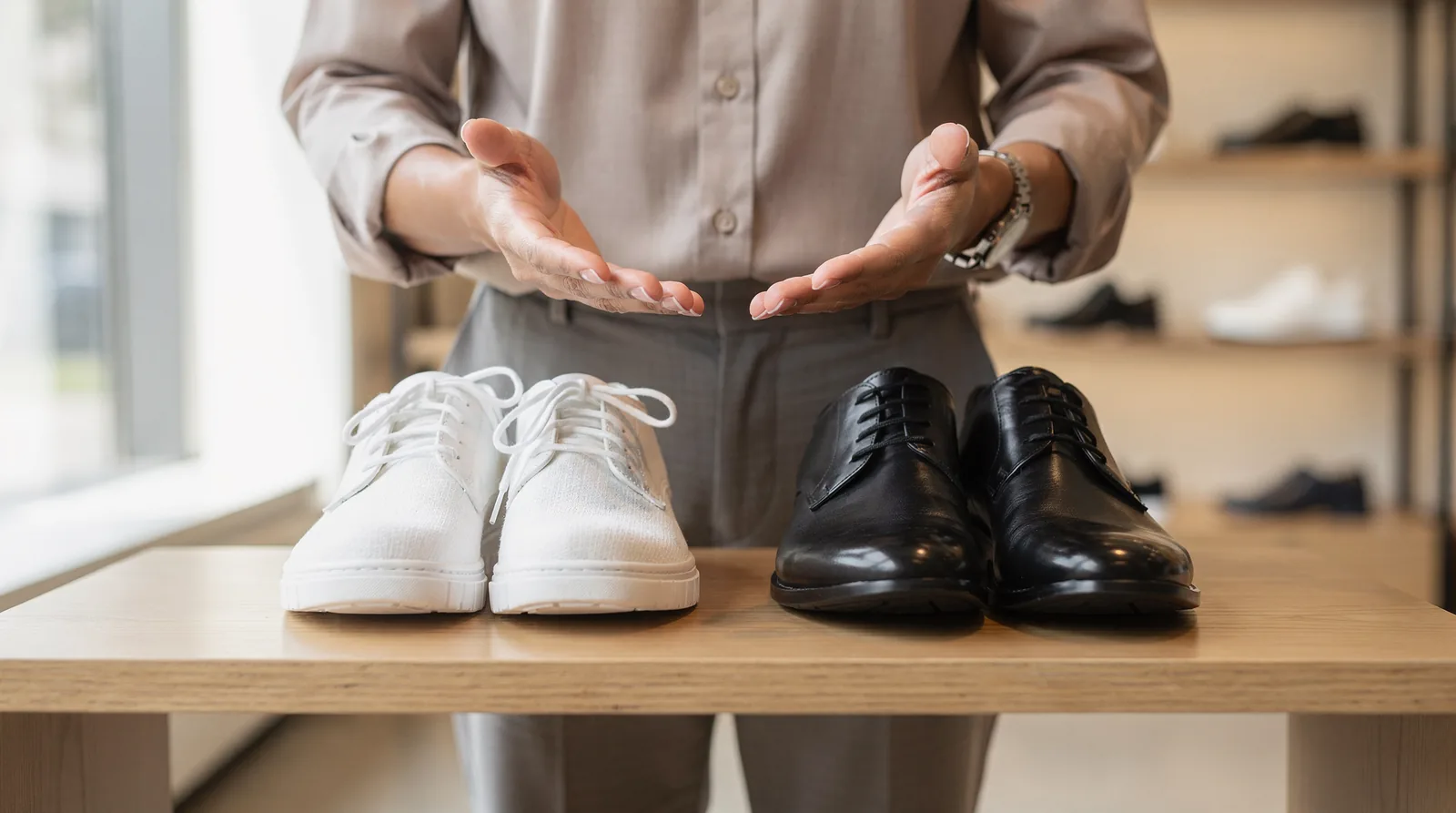
Price and purpose decide the right match, not appearance alone. Comfort-focused diabetic chappals for foot discomfort should balance cushioning, budget, and daily wear needs before a shopper commits to a style. Skipping this comparison often leads to a second purchase within months, once the wrong fit reveals itself through blisters or arch strain.
Diabetic Shoe offers a cluster of chappal styles priced around ₹3,849, giving customers a balanced comfort-to-price option worth comparing against premium alternatives. For those still testing supportive designs, basic slipper items start as low as ₹980, making it easier to trial a supportive fit before upgrading to sturdier construction.
Is Indoor Footwear Really Necessary?
Yes. Prioritizing supportive indoor footwear carries the same weight as choosing proper outdoor shoes. Bare feet on hard flooring place uneven pressure on the heel and arch, which compounds over hours spent at home.
What Should Shoppers Compare Before Buying?
A quick side-by-side helps clarify the decision:
- Cushioning depth — thicker midsoles reduce pressure points for sensitive feet
- Price tier — entry-level options near ₹980 versus mid-range picks near ₹3,849
- Usage pattern — occasional indoor wear versus all-day support needs
Matching these three factors to daily habits narrows the field quickly and prevents overspending on features that go unused.
Selecting appropriate chappals for foot pain management requires deliberate attention to structural support, material composition, and individual biomechanical needs. The evidence presented throughout this analysis demonstrates that thoughtful footwear selection—prioritizing features such as adequate arch support, cushioning technology, and proper fit—directly addresses the underlying causes of discomfort. By applying these evidence-based criteria to your purchasing decisions, you establish a foundation for sustained foot health and functional mobility. Investing in properly engineered chappals represents a practical, measurable step toward alleviating pain and supporting long-term orthopedic wellness.