
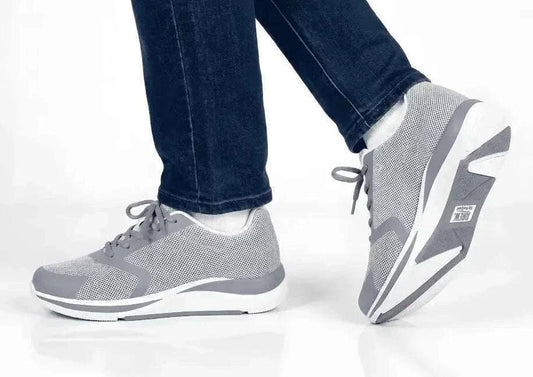
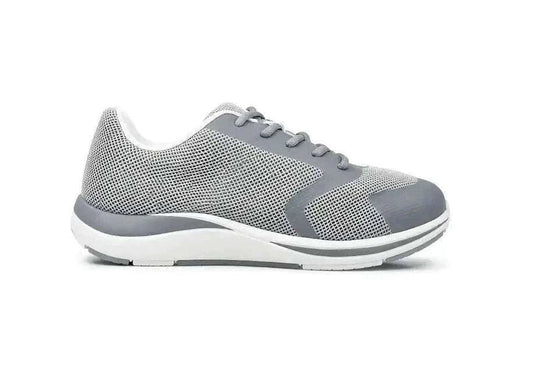

Essential Features to Consider When Choosing the Right Diabetic Shoes for Comfort and Support
Best Diabetic Shoes for Comfort and Support: Essential Features to Choose the Right Footwear
By Dr. Ankit Tiwari, Diabetic Shoe - An Ortho Shoes Company
Selecting appropriate diabetic shoes is essential for patients with diabetes and related foot pathology. Purpose-designed footwear delivers targeted comfort, structural support, and therapeutic function to help mitigate risks such as plantar ulcers and peripheral neuropathy. This article examines the principal design features to evaluate when procuring diabetic footwear—cushioning systems, arch support, material breathability, and accurate sizing—all of which influence pressure distribution, tissue integrity, and mobility. A clear understanding of these parameters enables selection of footwear that aligns with individual clinical requirements and daily activity profiles.
Empirical evidence indicates that specialized footwear and insole interventions contribute substantially to reducing the incidence of severe diabetic foot complications, including ulceration.
Diabetic Footwear & Insole Features for Ulcer Prevention
In individuals with diabetes, offloading high-risk plantar regions through optimizing footwear or insoles may prevent ulceration. The referenced systematic review summarizes and evaluates evidence for footwear and insole design elements that reduce pathological plantar pressures and the occurrence of neuropathic plantar forefoot ulceration in patients with diabetic neuropathy.
Footwear and insole design features that reduce neuropathic plantar forefoot ulcer risk in people with diabetes: a systematic literature review, S Ahmed, 2020
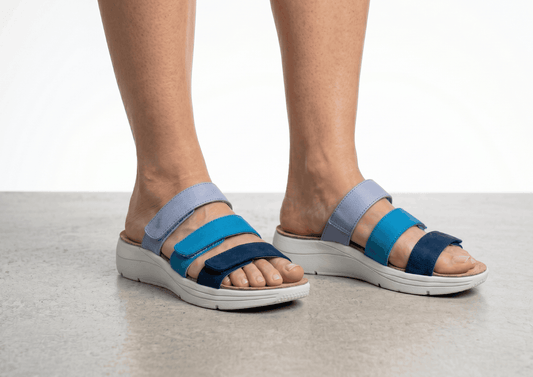
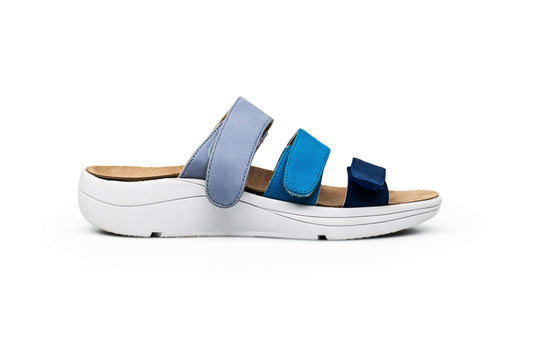
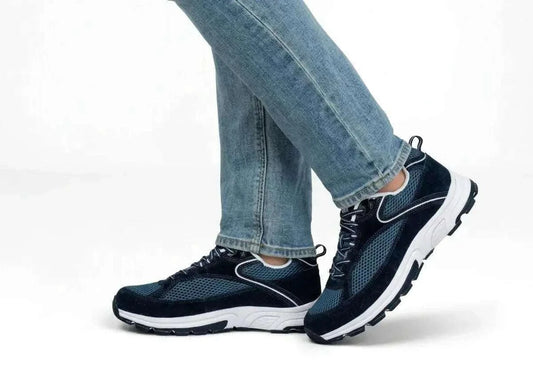
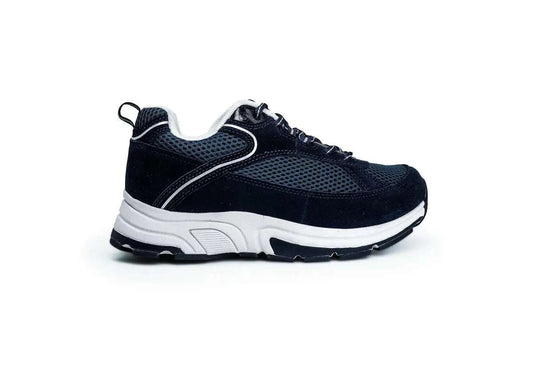
When choosing the right diabetic shoes for comfort and support, consider the following essential features:
Prioritize the following attributes when selecting diabetic footwear to ensure optimal comfort and biomechanical support.
- Proper Fit: Shoes should fit well without being too tight or too loose, allowing for natural foot movement.
- Breathable Materials: Shoes made from breathable fabrics help maintain a comfortable temperature and reduce moisture buildup.
- Cushioning and Support: Adequate cushioning and support are vital for reducing pressure on sensitive areas of the foot.
- Seamless Interiors: Shoes with seamless interiors minimize friction and irritation, which is crucial for diabetic feet.
- Adjustable Closures: Features like Velcro straps or laces allow for a customizable fit, accommodating any swelling or changes in foot size.
What Are the Key Cushioning and Shock Absorption Technologies in Diabetic Shoes?
Cushioning and shock-absorption systems are integral components of diabetic footwear; they redistribute plantar load and attenuate impact forces during ambulation and prolonged standing, thereby reducing injury risk and improving comfort.
How Does Cushioning Reduce Pressure and Enhance Comfort for Diabetic Feet?
Cushioning reduces localized plantar pressure by providing a compliant, supportive interface between the foot and the ground. For patients with neuropathy, appropriate cushioning decreases the likelihood of skin breakdown and facilitates sustained mobility.
Which Materials Provide Optimal Shock Absorption in Diabetic Footwear?
Several materials are known for their excellent shock absorption properties, including:
- Memory Foam: Conforms to the shape of the foot, providing personalized support.
- Gel Insoles: Offer superior cushioning and help to absorb shock effectively.
- Cushioned Foam: Provides a soft layer that enhances comfort and reduces pressure.
How Does Arch Support Contribute to Foot Stability and Diabetic Foot Health?
Arch support is necessary to maintain medial-lateral stability and to ensure even load distribution across the plantar surface, thereby mitigating strain and reducing the risk of secondary complications.
What Types of Arch Support Are Most Effective for Diabetic Neuropathy?
For those with diabetic neuropathy, the following types of arch support are particularly beneficial:
- Cushion Insoles: Provide additional padding and support for the arch.
- Orthotic Arch Support Insoles: Designed to correct foot alignment and provide targeted support.
- High Arch Support Insoles: Ideal for individuals with high arches, offering extra support where needed.
How to Identify Diabetic Shoes with Proper Arch Support Features?
Assess the following attributes when evaluating arch support in diabetic footwear:
- Arch Type Compatibility: Ensure the shoe matches your arch type for optimal support.
- Cushioning and Shock Absorption: Look for shoes that offer both cushioning and arch support.
- Breathable Materials: Choose shoes made from breathable fabrics to enhance comfort.
What Shoe Materials and Breathability Features Benefit Diabetic Footwear?
Material breathability is a critical design parameter for diabetic footwear. Effective airflow and moisture control reduce maceration and lower the risk of dermatologic and fungal complications.
Which Materials Offer Moisture-Wicking and Antimicrobial Properties?
The following materials are known for their moisture-wicking and antimicrobial properties:
- Breathable Fabrics: Allow for airflow, keeping feet cool and dry.
- Moisture-Wicking Linings: Draw moisture away from the skin, reducing the risk of blisters and infections.
- Antimicrobial Treatments: Help prevent the growth of bacteria and fungi, promoting foot health.
How Do Breathable Fabrics Prevent Foot Complications in Diabetes?
Breathable fabrics facilitate air circulation and moisture evaporation, maintaining a drier microenvironment and reducing the likelihood of infections and skin irritation.
How to Ensure Proper Fit and Sizing for Comfortable Diabetic Shoes?
Accurate fit and sizing are fundamental to prevent friction injuries, calluses, and progressive deformities; a well-fitted shoe preserves tissue integrity and functional capacity.
What Are the Best Practices for Measuring Diabetic Feet Accurately?
To measure diabetic feet accurately, follow these best practices:
- Consult a Specialist: Seek professional advice for accurate measurements.
- Measure Both Feet: Always measure both feet, as one may be larger than the other.
- Shop in the Afternoon: Feet tend to swell throughout the day, so measuring in the afternoon can provide a more accurate fit.
Why Are Wide Toe Boxes and Removable Insoles Important for Fit?
Wide toe boxes allow for natural toe splay and reduce compressive forces, while removable insoles permit accommodative orthotic placement and targeted pressure redistribution—both are essential for a customizable and therapeutic fit.
Which Specialized Diabetic Shoes Address Heel Pain and Neuropathy?
Specialized diabetic footwear targets specific pathologies such as heel pain and peripheral neuropathy by integrating enhanced cushioning, improved shock absorption, and tailored support to reduce symptomatic load and protect vulnerable tissue.
What Features Make Shoes Suitable for Heel Pain Relief?
Shoes suitable for heel pain relief typically include:
- Cushioning and Support: Adequate cushioning helps absorb shock and reduce pressure on the heel.
- Wide Toe Box: Provides ample space for the toes, preventing additional pressure on the heel.
- Seamless Interior: Reduces friction and irritation, which is essential for sensitive feet.
How Do Therapeutic Shoes Support Neuropathy Management?
Therapeutic footwear provides enhanced cushioning, structural support, and protective features to assist in neuropathy management and to mitigate risks associated with diabetic foot conditions.
How Do Therapeutic Socks Complement Diabetic Shoes for Foot Care?
Therapeutic socks serve as a complementary intervention to diabetic footwear by providing additional support, optimizing moisture control, and reducing localized pressure on vulnerable areas of the foot.
What Are the Benefits of Moisture-Wicking and Cushioned Socks?
Moisture-wicking and cushioned socks offer several benefits for individuals with diabetes:
- Moisture Management: Keeps feet dry and reduces the risk of infections.
- Cushioning and Pressure Relief: Provides extra padding to sensitive areas, enhancing comfort.
- Improved Circulation: Promotes blood flow, which is crucial for foot health.
How Do Therapeutic Socks Enhance Overall Diabetic Foot Health?
Therapeutic socks contribute to comprehensive foot-care protocols by protecting against mechanical injury, improving comfort, and supporting hygiene and circulatory function. They are an appropriate adjunct to diabetic footwear. For additional information, visit therapeutic socks.
Frequently Asked Questions
What should I look for when buying diabetic shoes online?
When purchasing diabetic shoes online, verify the manufacturer's sizing chart because sizes can vary between brands. Evaluate customer reviews that address fit and comfort, and confirm the presence of key features such as breathable materials, adequate cushioning, and a wide toe box. Review the return and exchange policy to ensure recourse if the fit is unsuitable. When feasible, consult a healthcare professional for recommendations tailored to specific clinical needs.
How often should I replace my diabetic shoes?
Replace diabetic shoes every six to twelve months, depending on wear patterns and usage. Inspect footwear regularly for sole degradation, loss of cushioning, or structural compromise. If discomfort or fit changes occur, initiate replacement promptly. Maintaining supportive footwear is a preventative measure against foot complications.
Can I use orthotics with diabetic shoes?
Many diabetic shoes are compatible with orthotics. Prefer models with removable insoles to accommodate custom orthoses while preserving appropriate fit. Confirm that the shoe maintains proper structural support with the orthotic in place, and consult a podiatrist or clinician to determine suitable orthotic specifications for the individual's condition.
Are there specific brands known for quality diabetic shoes?
Manufacturers recognized for producing quality diabetic footwear include New Balance, Brooks, and ASICS. These brands typically incorporate features such as enhanced cushioning, arch support, and breathable materials designed to address diabetic foot concerns. Conduct model-specific research and review clinical or consumer performance data to identify the most appropriate option. Professional consultation can provide personalized guidance.
What role do therapeutic socks play in diabetic foot care?
Therapeutic socks support diabetic foot care by managing moisture, providing targeted cushioning, and promoting circulation. When used alongside appropriate footwear, they reduce the risk of skin breakdown and infection while improving overall comfort. They form a component of an evidence-informed foot-care regimen.
How can I tell if my diabetic shoes fit properly?
Assess fit by ensuring the shoe is secure without constriction. Maintain approximately one thumb-width of space between the longest toe and the front of the shoe. The heel should remain stable without slipping, and the shoe should not create pressure points. Always fit shoes while wearing the socks intended for regular use and measure both feet, as bilateral size discrepancies are common.


