


Lightweight Chappals for Foot Ailments
Lightweight Chappals for Foot Ailments
By Diabetic Shoe - An Ortho Shoes Company Editorial Team · Updated 2026-08-01
Lightweight chappals for plantar fasciitis require dual-density insoles, broad toe boxes, and firm arch support to reduce strain on the plantar fascia. Diabetic Shoe's Ortho Shoes collection, priced from ₹980 to ₹11,995, combines cushioned soles with orthopedic construction, easing heel pain during daily indoor and outdoor wear without sacrificing comfort or stability.
Why Do Regular Chappals Worsen Heel Pain?
Apartment soles push the plantar fascia into constant tension with every step. Standard chappals lack arch support. The heel drops and the calf muscle pulls harder on the bottom of the foot. That extra pull raises stress on the plantar fascia. Intensifies heel pain throughout the day, not just after long walks.
Cushioned, engineered footwear works differently. Lightweight chappals for foot ailments raise the heel slightly and reduce the strain that apartment designs create. Dual-density insoles and broad toe boxes address diabetic. Orthopedic foot pain directly, distributing pressure instead of concentrating it on one point of the sole.
Can the wrong slippers make plantar fasciitis worse?
Yes. Slippers without structured support increase how much the calf muscle drags on the plantar fascia, which prolongs inflammation. Wearing them daily, especially on hard indoor floors, compounds the damage over time.
What should supportive chappals include?
Look for a contoured footbed, a stable heel cup, and enough width to avoid squeezing the toes. Specialists design these features specifically to alleviate discomfort and provide maximum support for varied foot conditions:
- Raised heel to ease calf tension
- Dual-density cushioning for shock absorption
- Wide toe box for natural toe splay
- Firm arch contour to limit fascia strain
These elements let wearers stay active without sacrificing daily comfort.
What Design Features Actually Relieve Foot Pain?
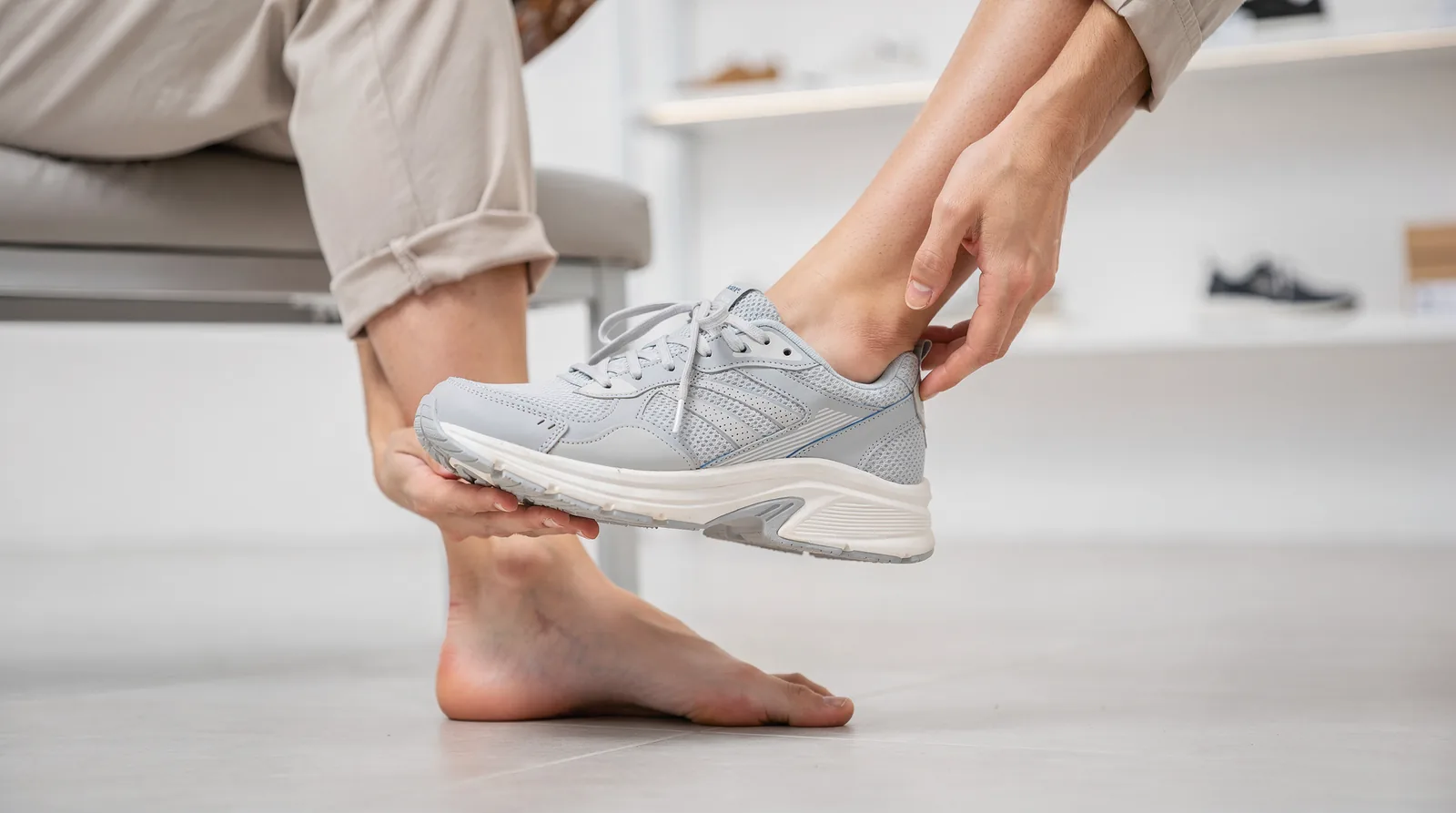
Four elements separate footwear that relieves heel pain from footwear that ignores it: arch cradling, cushioned midsoles, slip-resistant traction, and a build light enough for all-day wear. Without arch support, the plantar fascia stretches with every step, and pain compounds by evening rather than fading. Chappals engineered for foot ailments address that failure point directly, distributing pressure away from the heel and toward the whole foot.
Arch cradling matters most for daily comfort. Slippers shaped to hug the arch reduce strain on the plantar fascia. Let wearers move through the house without wincing at each step. That support works quietly in the background, which is exactly the point — pain relief should not require conscious effort.
What makes a chappal good for plantar fasciitis specifically?
Memory foam cushioning and an anti-slip sole answer this question most directly. Foam absorbs shock at heel strike, while slip-resistant treads prevent the compensatory foot flexing that aggravates arch tissue. A lightweight build rounds out the formula, since heavier soles force the plantar fascia to work harder with every stride.
Diabetic Shoe carries orthopedic footwear across multiple price points, built for people managing plantar fasciitis, hammertoes, and bunions alike. Options include:
- Cushioned, arch-supportive slippers for indoor wear
- Anti-slip soles rated for outdoor use
- Lightweight builds suited to all-day wear
- Designs accommodating bunions and hammertoes without added pressure
How Do You Pick Everyday Chappals For Foot Pain?
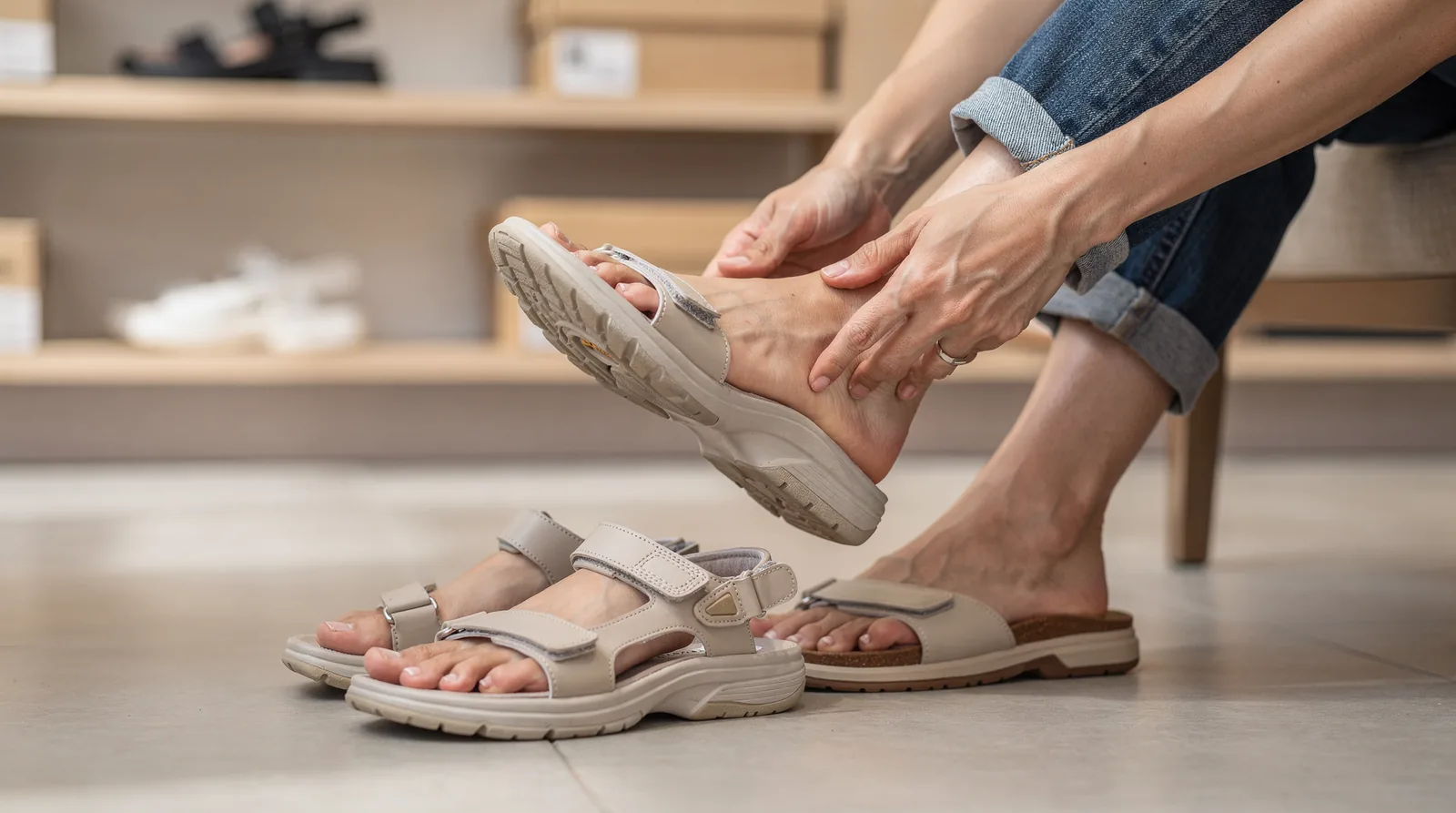
Fit and construction determine whether daily footwear eases heel pain or worsens it. Specialist-designed Lightweight Chappals for Foot Ailments address specific pressure points instead of relying on generic cushioning. Shoppers who evaluate width, adjustability, and support features first avoid wasted purchases on styles that look comfortable but fail under daily wear.
Width matters more than most buyers realize. Feet swollen from diabetes, arthritis, or long hours standing need room to move without friction. Medium, wide, and medium-wide options accommodate these changes, while narrower builds suit slimmer feet without sacrificing arch support.
What Closure Type Works Best For Swollen Feet?
Adjustable straps or hook-and-loop closures outperform fixed designs for sensitive or fluctuating feet. Swelling patterns shift throughout the day, especially for diabetic wearers, so a closure that tightens or loosens easily prevents pressure buildup and irritation.
Does Appearance Matter Less Than Support?
Support features should guide the decision before style does. Chappals engineered by footwear specialists target discomfort directly and offer structural benefits mass-market sandals lack.
Consider these priorities when comparing options:
- Width selection: medium, wide, or narrow to match foot shape
- Adjustable closures: for daily swelling fluctuations
- Specialist-crafted support: designed for specific foot conditions, not aesthetics alone
- Everyday durability: built for indoor and outdoor transitions
Correct footwear choices restore mobility. Customers who prioritize engineered support over appearance report returning to more active daily routines, free from the constant recalculation heel pain forces into every step.
Lightweight chappals engineered for plantar fasciitis relief represent a convergence of biomechanical design and practical comfort. By incorporating supportive arch structures and cushioning technologies into minimalist footwear, these shoes address the specific demands of individuals managing foot pain while maintaining mobility and ease of wear. Strategic material selection and construction methods ensure that reduced weight does not compromise the orthopedic support necessary for effective symptom management and long-term foot health.