


Choosing Diabetic Sandals for Plantar Fasciitis
Choosing Diabetic Sandals for Plantar Fasciitis

By Diabetic Shoe - An Ortho Shoes Company Editorial Team · Updated 2026-08-01
Key features include APMA-approved arch support, deep heel cups, and seamless interiors that protect diabetic feet from friction and pressure points. Look for
Diabetic sandals for plantar fasciitis require deep heel cups, dual-density insoles, and targeted arch support that reduces strain on the plantar fascia with every step. Seamless linings and broad toe boxes protect neuropathic feet from friction. Diabetic Shoe's Orthofeet plantar fasciitis sandals include a 60-day wear test guarantee, ensuring genuine relief before commitment.
What Should You Know Before Buying Diabetic Sandals?
Three factors determine whether a sandal actually protects vulnerable feet: specialist design, retailer focus, and construction quality. Skipping these checks risks blisters, pressure sores, and worsening heel pain for shoppers managing neuropathy alongside plantar fasciitis. Buyers and caregivers benefit from a short checklist before any purchase.
Diabetic sandals for plantar fasciitis need to come from footwear built by specialists who understand both conditions together. Podiatric designers engineer these products to reduce discomfort and provide maximum support across a range of foot problems, from neuropathy to arch strain. That combination lets wearers stay active without trading comfort for safety.
Does it matter where the sandals are purchased?
Yes. Retailers focused specifically on diabetic and orthopedic footwear categories understand pressure-point risk in ways general shoe stores do not. A dedicated source for diabetic and orthopedic shoes, slippers, and sandals typically curates styles already vetted for foot-health needs, reducing guesswork for buyers.
What construction features actually help?
Look for dual-density insoles, which cushion the heel while stabilizing the arch, and broad toe boxes, which prevent friction on sensitive skin. Follow this quick evaluation process:
- Confirm the retailer specializes in diabetic and orthopedic footwear.
- Check for dual-density insole construction.
- Verify the toe box allows room for swelling or deformities.
- Match the design to specific pain points, such as heel or arch strain.
Caregivers should apply the same checklist when selecting footwear for a family member.
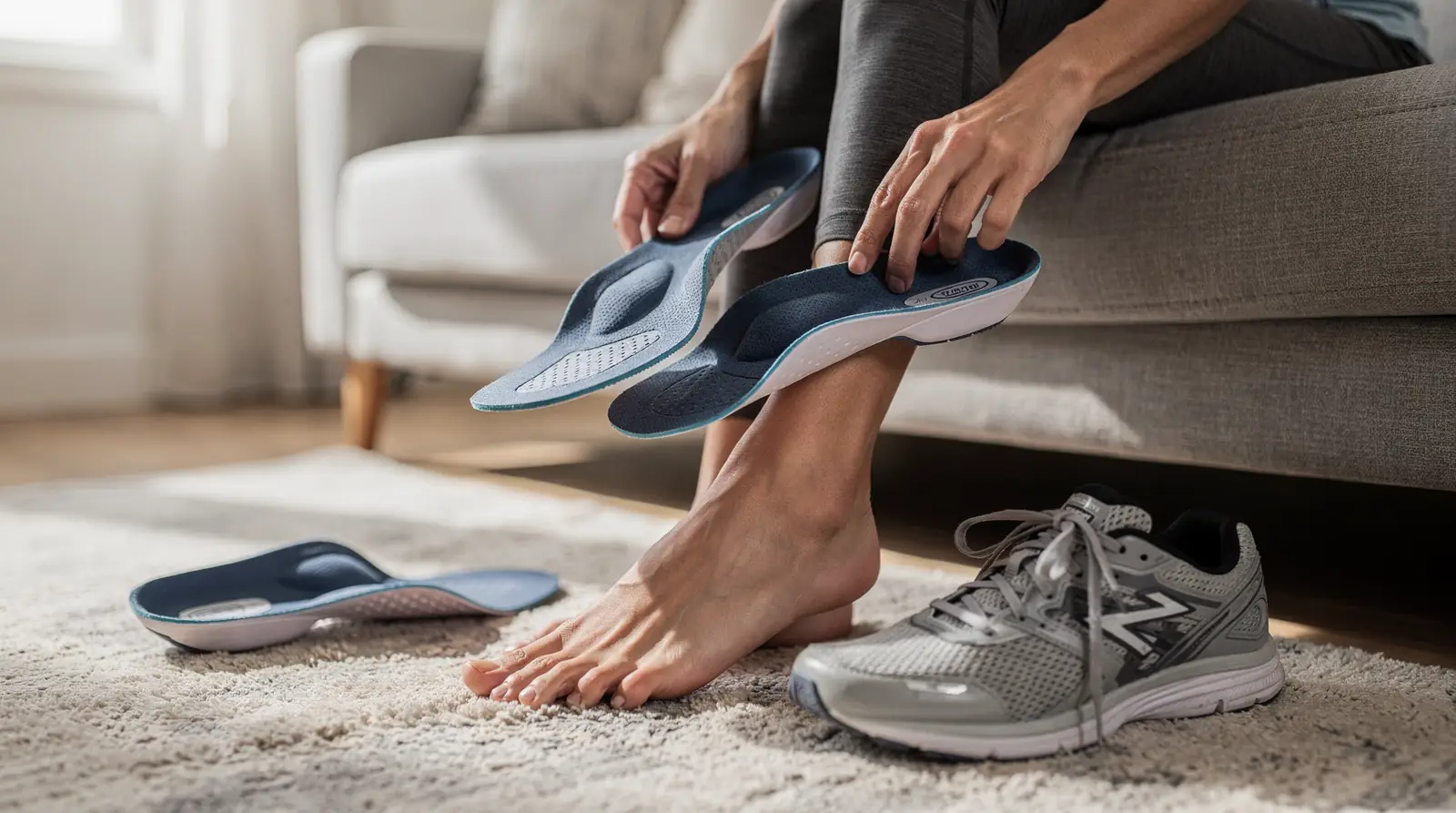
Which Features Matter Most For Plantar Fasciitis Relief?
Four features separate genuine therapeutic footwear from ordinary comfort shoes: dual-density cushioning, wide toe boxes, targeted arch support, and adjustable closures. Skip any one of these elements. A shoe leaves the heel unprotected or crowds toes already vulnerable to diabetic neuropathy. Manufacturers who understand both conditions engineer every layer with a specific mechanical purpose.
Diabetic sandals for plantar fasciitis rely first on dual-density insoles paired with broad toe boxes. This combination redistributes pressure across the entire foot instead of concentrating it on sensitive nerve endings or the inflamed plantar fascia. For someone managing diabetic neuropathy, that redistribution reduces the risk of pressure sores developing unnoticed.
Heel cushioning matters just as much as the insole structure. Sandals built with targeted arch support. Reinforced heel padding ease strain directly at the point where the plantar fascia attaches to the heel bone. That targeted engineering, rather than generic softness, is what separates therapeutic design from standard sandal padding.
Do adjustable straps really make a difference for diabetic feet?
Yes. Adjustable straps accommodate the width fluctuations common with diabetic swelling or foot deformity, allowing a secure, customizable fit throughout the day. A sandal that fits snugly in the morning but loosens by evening invites friction. Blistering, both serious risks for neuropathy patients.
| Feature | Primary Benefit |
|---|---|
| Dual-density insole | Redistributes pressure, protects nerve-sensitive areas |
| Broad toe box | Reduces crowding and friction |
| Targeted arch support | Eases plantar fascia strain |
| Adjustable straps | Secures fit despite swelling |
Specialist-designed construction ultimately supports multiple foot conditions simultaneously, extending comfort well beyond a single diagnosis.

What Buying Mistakes Should You Avoid?
Four errors undermine most footwear searches for shoppers managing diabetes and heel pain. Apartment, unsupportive sandals top the list: warm-weather styles often strip away the arch contour feet depend on, which revives heel pain rather than easing it. Diabetic sandals for plantar fasciitis solve this only when arch and heel structure remain intact.
Are diabetic shoes the same as orthopedic shoes?
No. Diabetic footwear and orthopedic footwear address distinct needs, even though both target specialized foot health concerns. Assuming one style covers both purposes leads shoppers toward pairs that miss critical protective or corrective features.
Buyers also make these missteps:
- Shopping general retailers instead of a dedicated diabetic and orthopedic shoe source built for these exact conditions.
- Choosing style over specialist-crafted support, which undermines comfort and limits daily activity.
- Ignoring heel cushioning and arch construction when comparing sandals side by side.
Each mistake compounds discomfort instead of resolving it.
Selecting appropriate diabetic sandals for plantar fasciitis requires prioritizing evidence-based design features that address both conditions simultaneously. Arch support, cushioning technology, and accommodative toe box design represent the foundational elements that distinguish therapeutic footwear from standard options. By evaluating sandals against these clinical criteria, individuals with diabetes and plantar fasciitis establish a framework for identifying products that deliver measurable comfort and functional support. Informed selection of specialized footwear directly contributes to improved foot health outcomes and enhanced daily mobility.