


Can Wearing Specialized Footwear Prevent Further Damage to My Feet with Plantar Fasciitis
Can Wearing Specialized Footwear Prevent Further Damage to My Feet with Plantar Fasciitis
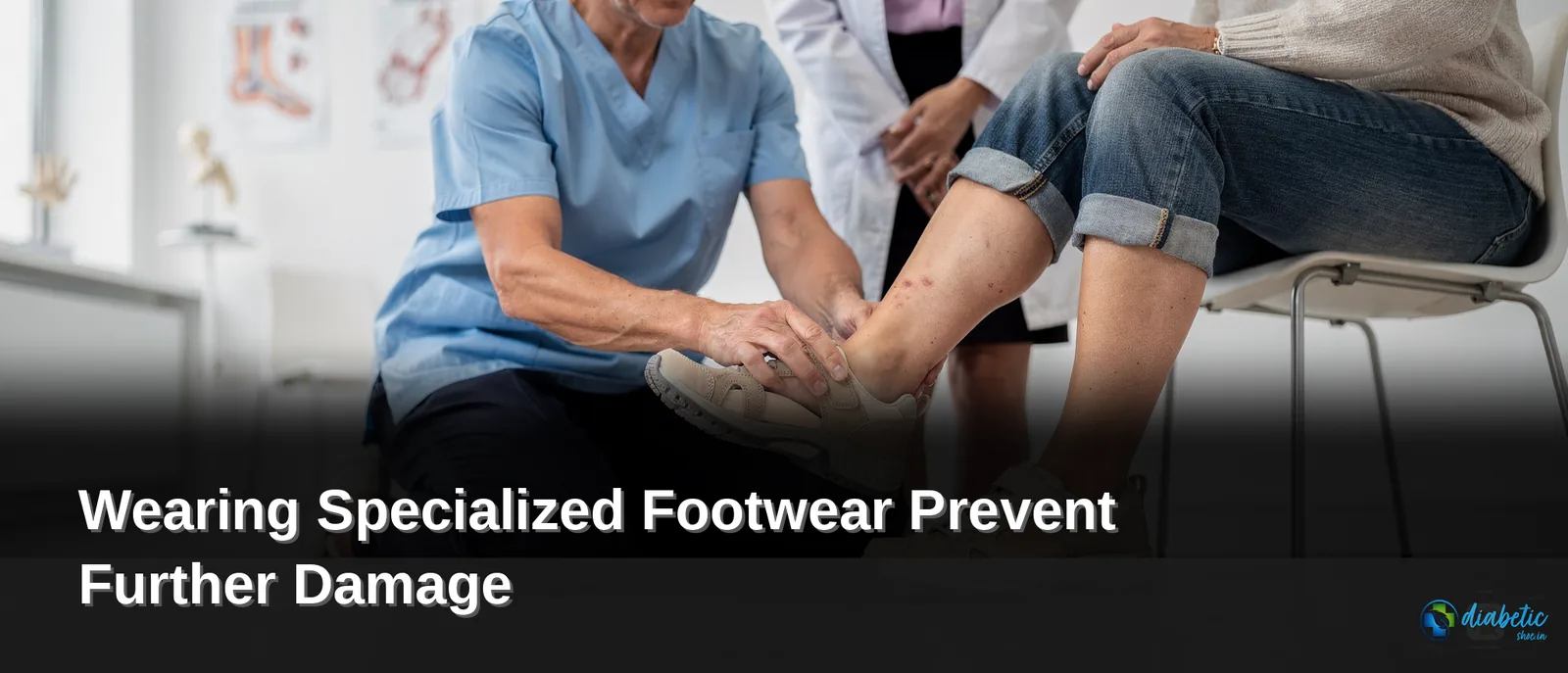
By Diabetic Shoe - An Ortho Shoes Company Editorial Team · Updated 2026-08-01
Orthopedic shoes reduce plantar fasciitis risk by stabilizing the heel. Distributing pressure evenly across the foot, addressing the common question: Can Wearing Specialized Footwear Prevent Further Damage to My Feet With Plantar Fasciitis? Diabetic Shoe's dual-density insoles and broad toe boxes support the arch, easing strain on the plantar fascia. Consistent use of structured, cushioned footwear lowers repetitive stress on the heel, addressing a leading cause of chronic foot pain.
Can Specialized Footwear Prevent Further Foot Damage?
Specialized footwear reduces the risk of worsening plantar fasciitis by correcting the mechanical stress that damages the heel over time. Untreated, plantar fasciitis affects up to 10% of adults during their lifetime, and more than 2 million U.S. adults seek care annually for heel pain. Improper footwear ranks among the recognized contributors to plantar fascia inflammation, alongside overuse and biomechanical imbalance. Correcting shoe choice addresses one variable within an individual's direct control.
Engineered designs featuring dual-density insoles and broad toe boxes target this exact problem. These structural elements redistribute pressure away from the inflamed fascia and reduce compression across the forefoot. Specialist-crafted orthopedic products aim to ease discomfort. Deliver maximum support across a range of foot conditions, helping wearers stay mobile without aggravating existing damage.
Does footwear alone stop plantar fasciitis from getting worse?
Footwear alone rarely resolves plantar fasciitis, but it functions as a critical layer of prevention. Consistent support limits daily strain on the fascia, which slows progression when paired with other care measures.
Effective features for at-risk feet:
- Dual-density insoles that cushion impact while stabilizing the arch
- Broad toe boxes that prevent forefoot compression
- Structured heel counters that limit excess motion
- Firm, supportive midsoles instead of unstable, overly flexible soles
Runners, older adults, and individuals with apartment or high arches face elevated risk. For this population, footwear built around orthopedic principles offers measurable protection against escalating heel pain.
Which Shoe Features Matter Most for Prevention?
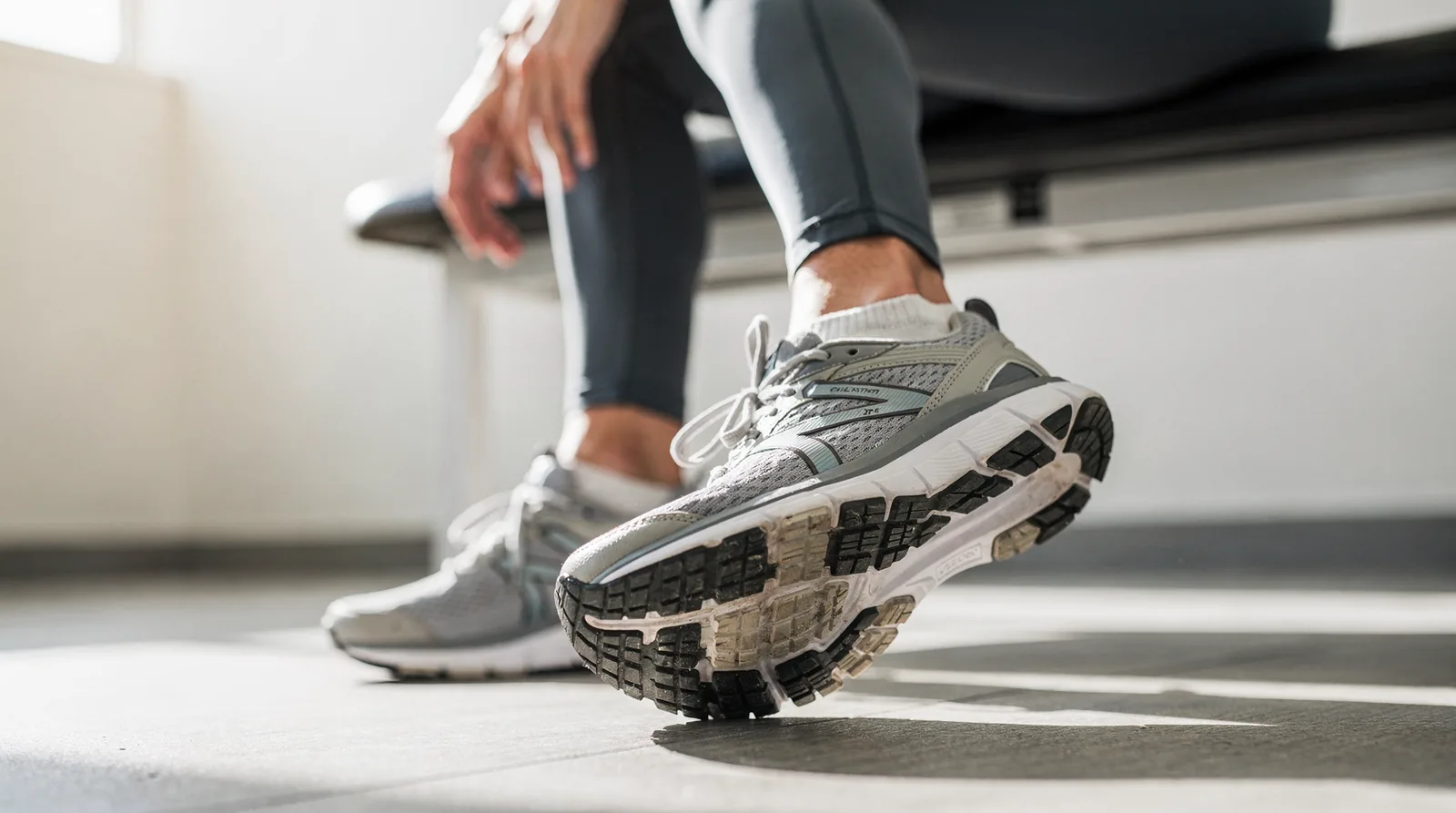
Five factors determine whether a shoe protects the foot or slowly damages it further. Podiatrists evaluate arch support, cushioning, stability, proper fit, and shock absorption when judging a shoe's protective value. Missing even one of these elements shifts stress back onto the plantar fascia, undoing whatever relief the right pair might otherwise provide.
Cushioning deserves particular attention, but softness alone isn't the goal. Firm, targeted support paired with cushioning around the heel promotes stability and helps ease pain while keeping the wearer comfortable through a full day of standing or walking. A shoe that collapses under body weight offers no real protection, no matter how plush it feels in-store.
Does toe box shape actually matter for foot health?
Yes. A broad toe box prevents crowding and lets toes splay naturally during each step, reducing pressure on surrounding tissue. Combined with dual-density insoles, this design distributes weight more evenly across the foot — a feature set commonly found in diabetic and orthopedic footwear built for at-risk feet.
Consider this checklist before buying:
- Arch support matched to foot type
- Cushioned, non-collapsible midsole
- Structural stability through the heel and sole
- Fit that avoids tightness or excess room
- Shock absorption at the point of impact
Skipping this checklist increases the odds of recurring, worsening heel pain.
How Should You Choose Preventive Shoes Today?
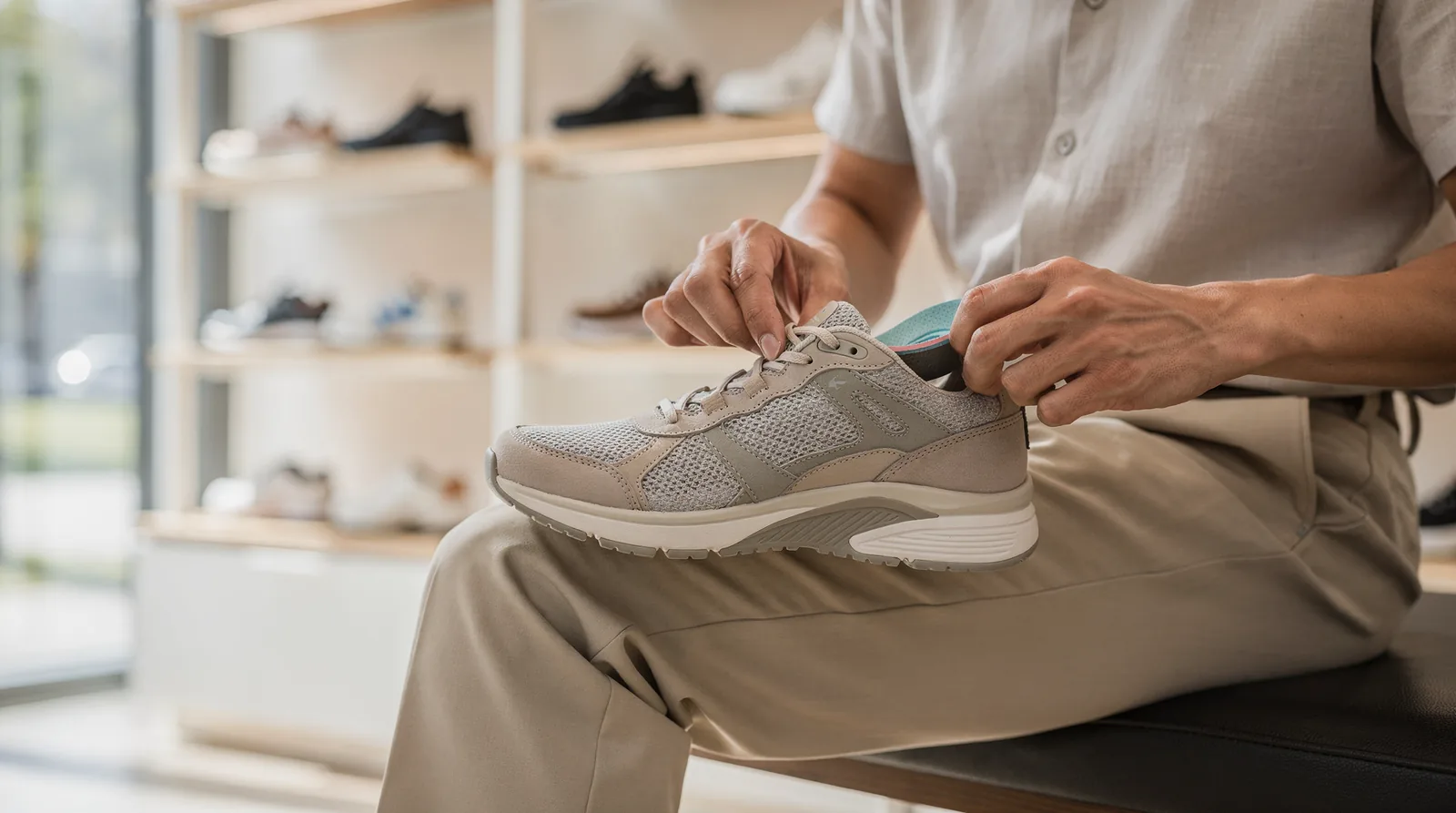
Selection criteria matter more than brand loyalty when guarding against heel pain. The right shoes protect the foot. Prevent plantar fasciitis from developing or worsening, according to podiatric guidance on footwear design. For adults on their feet all day, runners, and those with apartment feet or high arches, that protective function starts with structure, not style.
Wearing specialized footwear prevents further damage to feet already showing plantar fasciitis symptoms by unloading the plantar fascia, stabilizing the heel, and cushioning impact. These three mechanisms work together to calm inflammation quickly rather than masking it temporarily.
What features separate protective shoes from ordinary sneakers?
Look for firm heel counters, contoured arch support, and a cushioned midsole that absorbs shock before it reaches the fascia. Flexible, unsupportive soles allow the arch to collapse with every step, undermining recovery efforts.
Are premium orthotic shoes worth the investment?
Engineered comfort designs exist specifically to help people with foot conditions stay active despite chronic pain. Diabeticshoe.in offers premium orthotic products built for exactly this population—those managing persistent discomfort or elevated plantar fasciitis risk.
| Shoe Feature | Protective Function |
|---|---|
| Firm heel counter | Stabilizes heel strike |
| Contoured arch support | Unloads plantar fascia |
| Cushioned midsole | Absorbs shock impact |
Prioritizing these features today reduces the odds of chronic, harder-to-treat damage later.
Orthopedic footwear addresses the biomechanical factors that contribute to plantar fasciitis development through evidence-based design features including arch support, heel cushioning, and structural stability. By reducing excessive plantar fascia strain during weight-bearing activities, properly engineered shoes function as a preventive intervention alongside complementary treatment modalities. The clinical foundation supporting orthopedic shoe efficacy demonstrates their role as a fundamental component of comprehensive foot health management for individuals seeking to mitigate plantar fasciitis risk.