


Chappal for Plantar Fasciitis Relief: Diabetic and Orthopedic Footwear
Chappal for Plantar Fasciitis Relief: Diabetic and Orthopedic Footwear
By Diabetic Shoe - An Ortho Shoes Company Editorial Team · Updated 2026-08-01
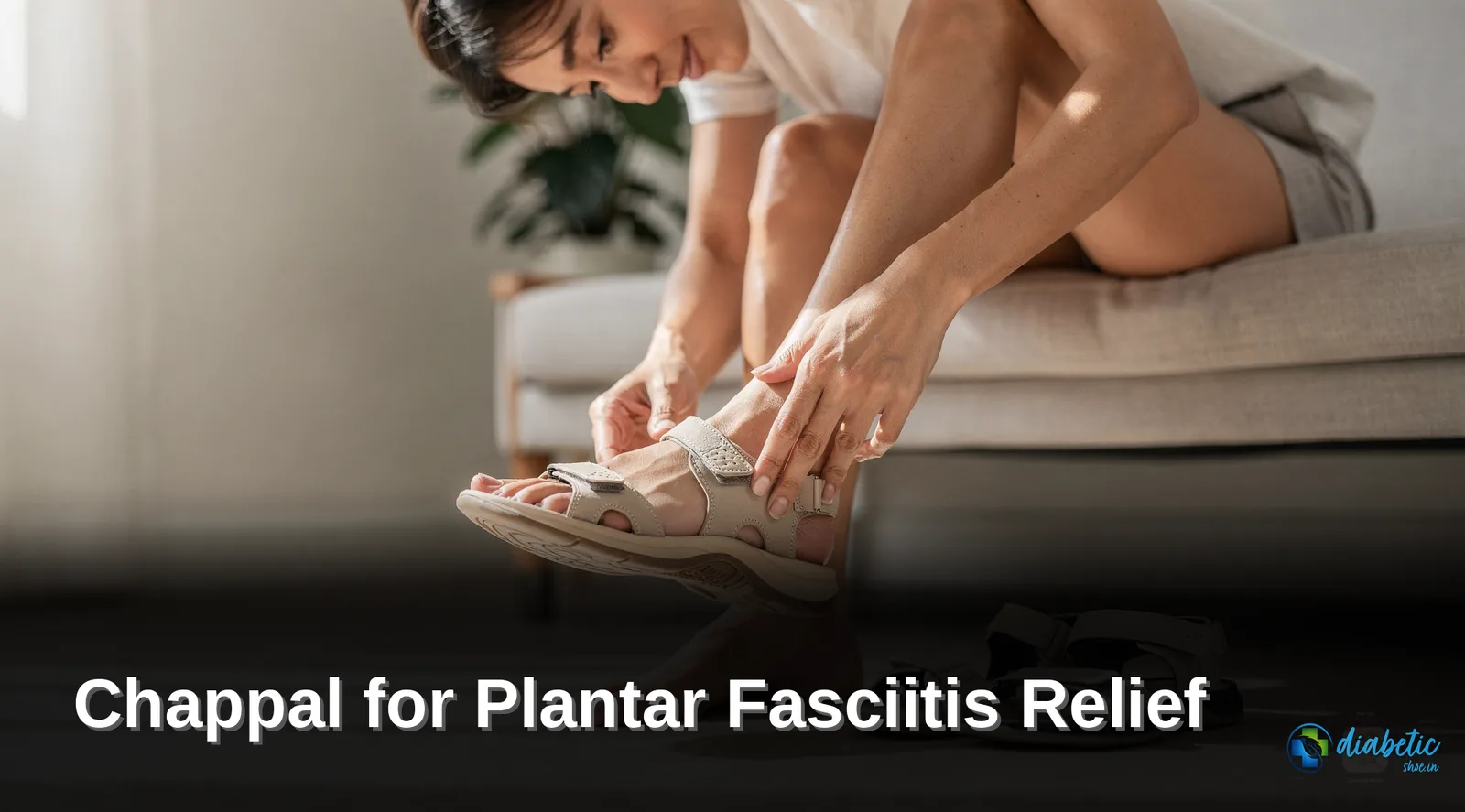
Chappals engineered for plantar fasciitis relief feature dual-density insoles and contoured arch support that reduce strain on the plantar fascia with every step. Diabetic Shoe's orthopedic slipper range, including options like the ERGOfoot Arch Support Slipper, pairs cushioned footbeds with broad toe boxes, delivering heel-pain relief without sacrificing the open, breathable feel chappal wearers expect.
What Makes a Chappal Right for Plantar Fasciitis?
Four design elements separate a therapeutic chappal for plantar fasciitis relief from an ordinary flip-flop: dual-density cushioning, a wide toe box, structured arch support, and a slip-resistant outsole. Missing any one of these features shifts pressure back onto the inflamed plantar fascia, undoing the benefit of wearing supportive footwear in the first place.
Dual-density insoles combine a firmer base layer with a softer top layer, spreading impact away from the heel with each step. Paired with a broad toe box, this construction reduces crowding of the toes and prevents the uneven weight distribution that aggravates arch pain. Specialists design these components specifically to ease discomfort and support a range of foot conditions. Wearers can stay active without sacrificing comfort.
Does arch support actually help plantar fasciitis?
Yes. Arch support realigns the lower limbs and corrects posture from the ground up. It reduces over-pronation, a common driver of plantar fasciitis, and eases related strain on the ankles, heels, knees, and lower back.
Why does outsole traction matter for foot pain?
A non-slip rubber outsole with a wave-patterned tread keeps footing stable on both tile and sidewalk. Traction like this matters because compensating for a slippery sole changes gait mechanics, adding extra stress to an already inflamed fascia. Reliable grip lets the arch support and cushioning do their job without interference.
How Do You Choose and Fit Supportive Chappals?
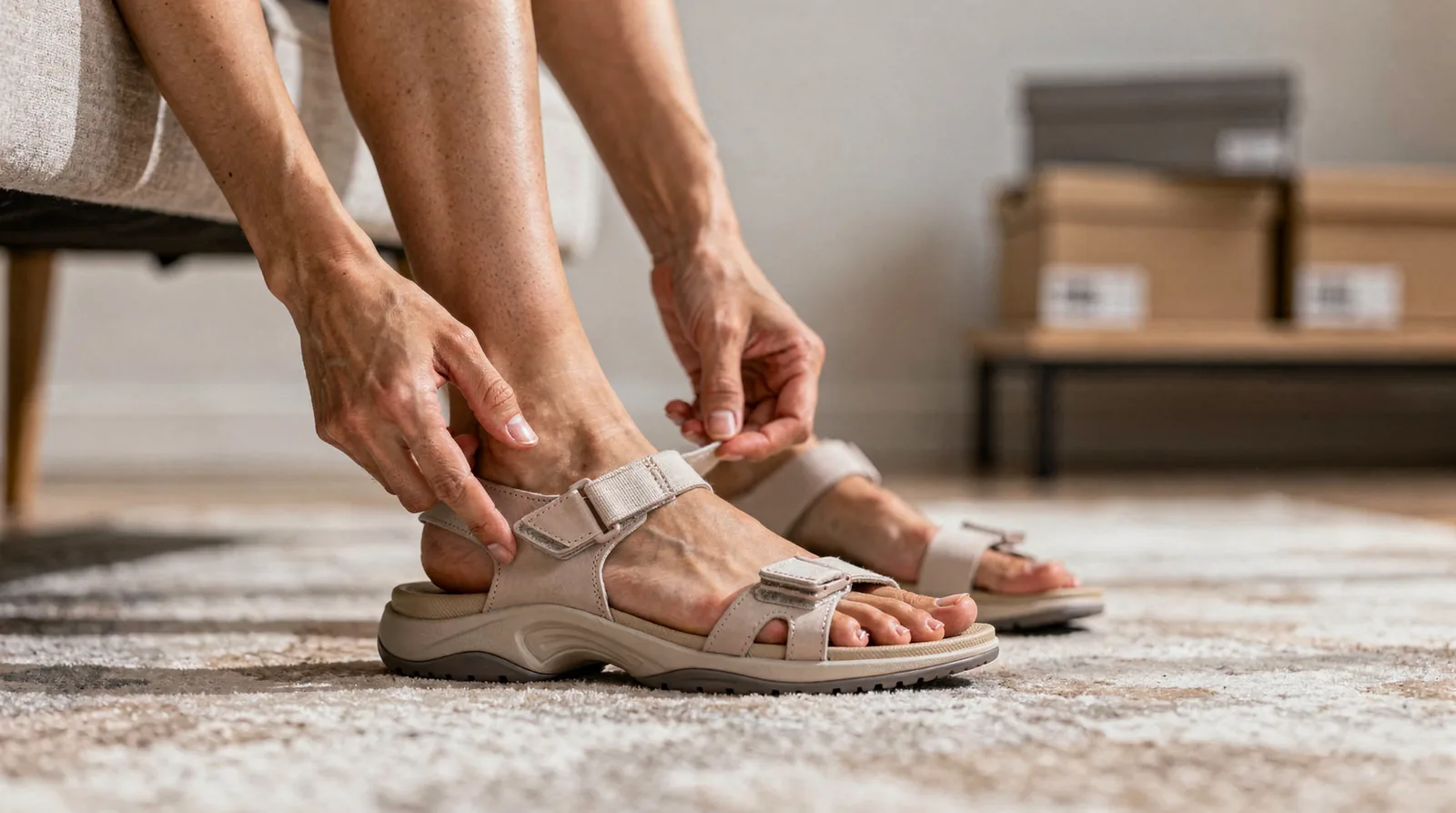
Correct fit starts with three checkpoints: arch contact, toe-box width, and heel cradle depth. A chappal that skips any of these leaves the plantar fascia unsupported and pain returns within days. Diabetic Shoe positions itself as a leading source for diabetic and orthopedic slippers. Sandals built for foot pain relief, giving shoppers a dedicated starting point instead of guessing through generic footwear aisles. cite-1
Barefoot walking on hard floors strains the ligaments running along the sole. That strain worsens plantar fasciitis symptoms, so supportive indoor footwear matters just as much as outdoor shoes. A proper chappal for plantar fasciitis relief addresses this by cushioning the heel strike before it reaches the inflamed fascia.
Fitting one correctly takes a short, deliberate process:
- Stand on the chappal and check that the arch fills the footbed without gapping.
- Press a thumb into the heel cup to confirm firm, non-collapsing support.
- Wiggle toes to verify the toe box allows full spread without pinching.
- Walk several steps on a hard floor to test cushioning under real pressure.
How Much Does a Supportive Chappal Cost?
Pricing varies by package; contact the brand directly for current details. cite-1 Entry-level pairs and premium orthopedic builds both exist within the lineup. Cost need not force a compromise on arch support or heel protection.
What Mistakes Should You Avoid Wearing Chappals?
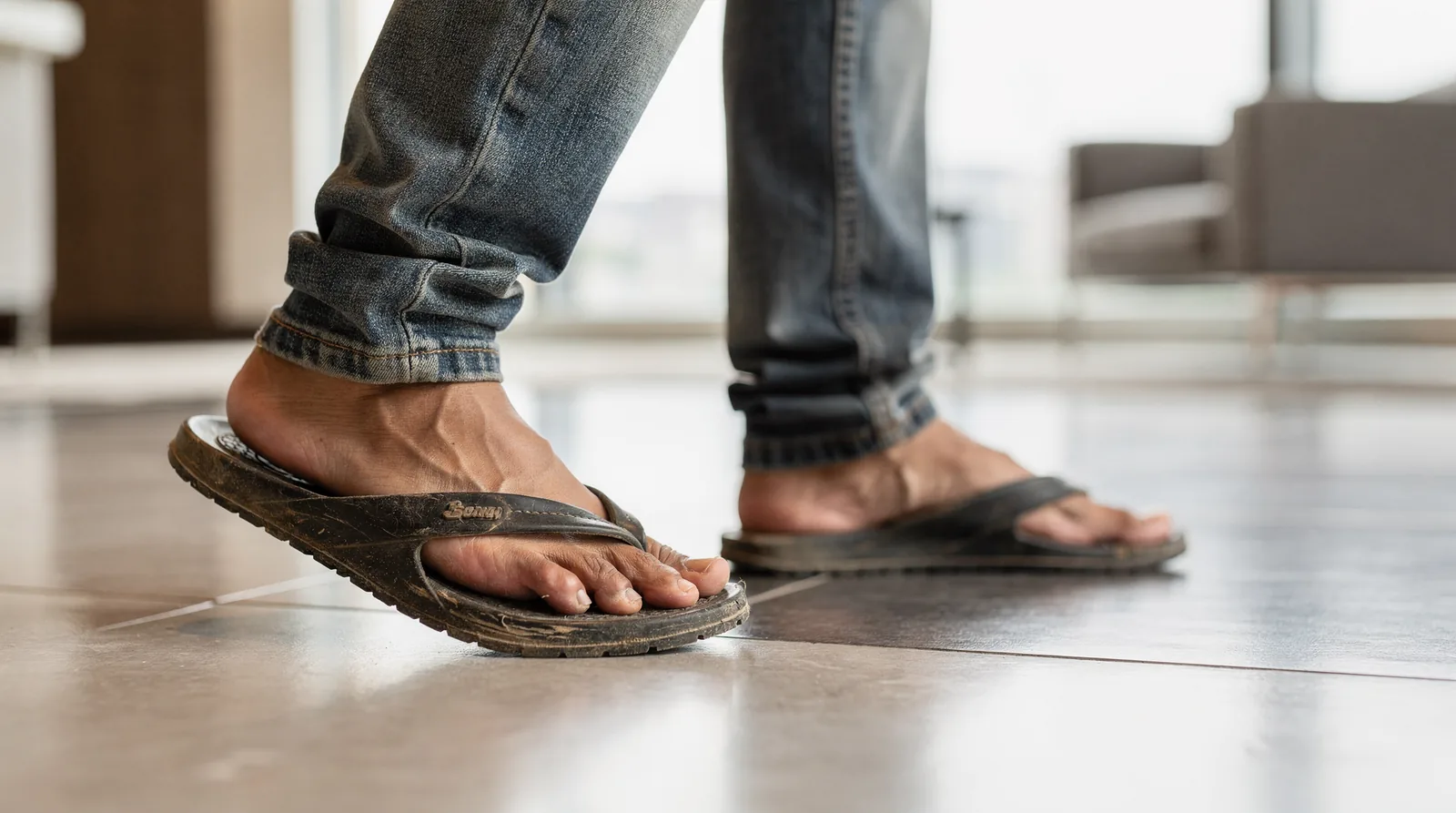
Grabbing thin, apartment slides off a shelf ranks as the top error among heel and arch pain sufferers. Generic footwear ignores diabetic and orthopedic foot needs, offering none of the engineered comfort found in dual-density insoles and broad toe boxes. Selecting a chappal for plantar fasciitis relief without proper arch structure forces the plantar fascia to absorb impact unassisted, undoing hours of rest.
Why does an unsupportive slide make heel pain worse?
Apartment, cushionless designs let the arch collapse with every step, straining the fascia band further. Specialist-crafted support exists precisely to prevent that strain, helping wearers avoid the activity limits that come with unmanaged foot pain. cite-1
Common missteps include:
- Choosing style over structure, ignoring arch contouring entirely.
- Assuming all slippers offer equal relief and stability.
- Skipping a collection built to match the support of full orthopedic shoes.
- Wearing worn-out soles that no longer cushion the heel.
A properly engineered chappal delivers the same relief. Stability as a supportive orthopedic shoe, without sacrificing the open, breathable feel daily wearers expect.
Chappals designed for plantar fasciitis relief represent a practical intersection of traditional footwear design and contemporary orthopedic engineering. The combination of structured arch support, cushioned midsoles, and accommodative toe boxes addresses the biomechanical demands placed on the plantar fascia during daily activity. By prioritizing evidence-based comfort features over aesthetic compromise, therapeutic chappals deliver measurable relief for individuals managing this prevalent foot condition.