


How Do I Choose Between Sandals and Closed Shoes for Plantar Fasciitis Management
How Do I Choose Between Sandals and Closed Shoes for Plantar Fasciitis Management
By Diabetic Shoe - An Ortho Shoes Company Editorial Team · Updated 2026-08-01
When it comes to How Do I Choose Between Sandals. Closed Shoes for Plantar Fasciitis Management?, closed shoes often provide more arch support and heel stabilization than many sandals, according to podiatrist Anne Sharkey, DPM. Diabetic Shoe's orthopedic sandals close that gap with dual-density insoles. Broad toe boxes, delivering structured support that apartment, unsupportive summer sandals fail to provide during flare-ups or daily recovery.
Why Does Footwear Choice Affect Heel Pain?
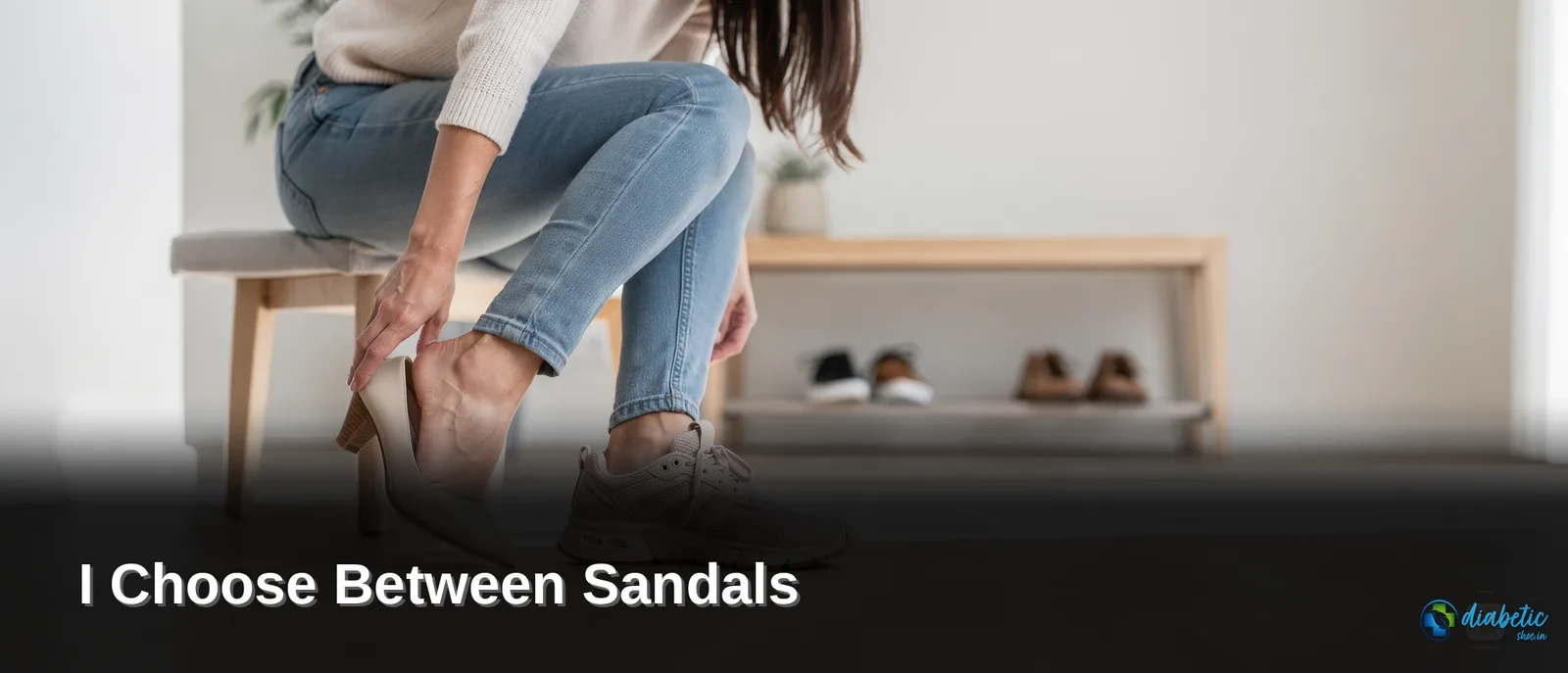
Repetitive strain on the plantar fascia, the band of tissue connecting the heel to the ball of the foot, drives the sharp pain that defines plantar fasciitis. Every step places load on that tissue, and unsupportive footwear multiplies the impact with each stride. Apartment sandals, worn-out soles, and rigid closed shoes all fail to absorb this shock, leaving the fascia to bear the brunt of daily wear on hard sidewalk or tile floors.
Footwear engineering makes the difference between aggravation and relief. Diabetic Shoe designs dual-density insoles paired with broad toe boxes, a combination built to lower pressure on the fascia and the tissue around it. The dual-density layer cushions the heel strike while the wider toe box lets the forefoot spread naturally instead of compressing under load.
Does the Wrong Shoe Really Make Plantar Fasciitis Worse?
Yes. Footwear lacking arch support or shock absorption forces the fascia to stretch further with every step, prolonging inflammation instead of easing it. Consistent use of unsupportive shoes or sandals can turn a manageable flare-up into a chronic, recurring problem.
Product lines from Diabetic Shoe are crafted by specialists to reduce discomfort. Deliver maximum support for foot conditions including plantar fasciitis. That specialist design approach aims to keep customers moving through active, daily routines without heel pain dictating their schedule.
Are Sandals Safe for Plantar Fasciitis Relief?
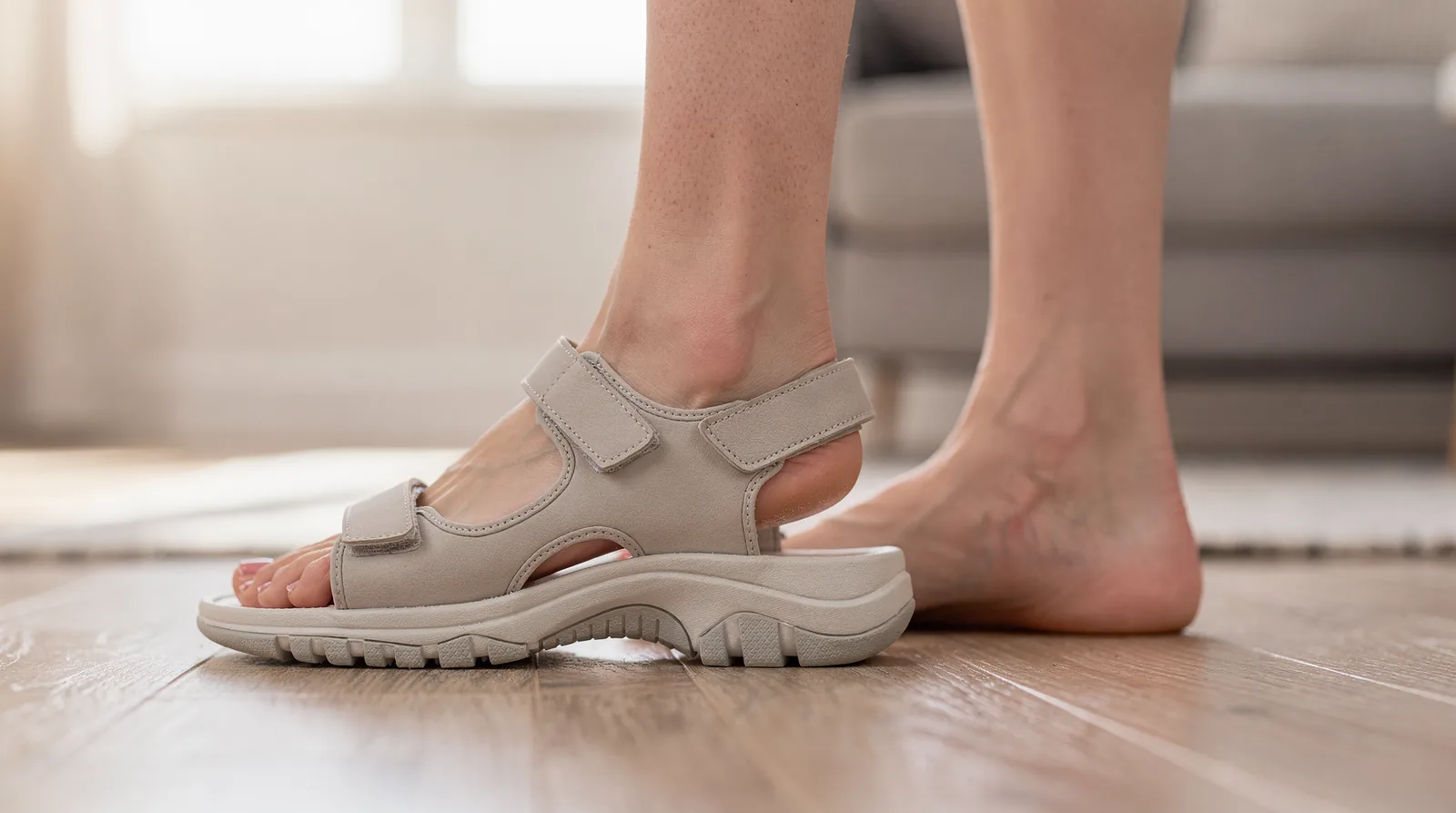
Safety depends entirely on construction, not category. Apartment, unsupportive sandal designs intensify the sharp heel pain and arch discomfort that define plantar fasciitis, turning a short walk into a painful afternoon. A supportive sandal, by contrast, can perform as well as a closed shoe when engineered correctly. Choosing between sandals and closed shoes for plantar fasciitis management ultimately comes down to matching insole design. Toe-box shape to daily activity, not simply picking whichever style feels cooler.
What Makes a Sandal Supportive Enough for Plantar Fasciitis?
A supportive sandal needs the same structural elements a good closed shoe provides. Dual-density insole construction and a broad toe box, when built into the sandal, maintain consistent arch and heel support throughout the day. Without these features, a sandal offers little more than a strap and a apartment sole.
Diabeticshoe.in positions itself as a single source for diabetic and orthopedic footwear, carrying shoes, slippers, and sandals so wearers can match support level to the season rather than sacrificing comfort for warm-weather style. cite-3
| Feature | Unsupportive Sandal | Engineered Sandal |
|---|---|---|
| Insole | Apartment, single-density | Dual-density cushioning |
| Toe area | Narrow or pointed | Broad toe box |
| Arch support | Minimal to none | Structured, consistent |
| Heel impact | High | Reduced |
Sandals become genuinely safe only when built to these specifications, not by default.
How Do You Choose Between Sandals and Shoes?
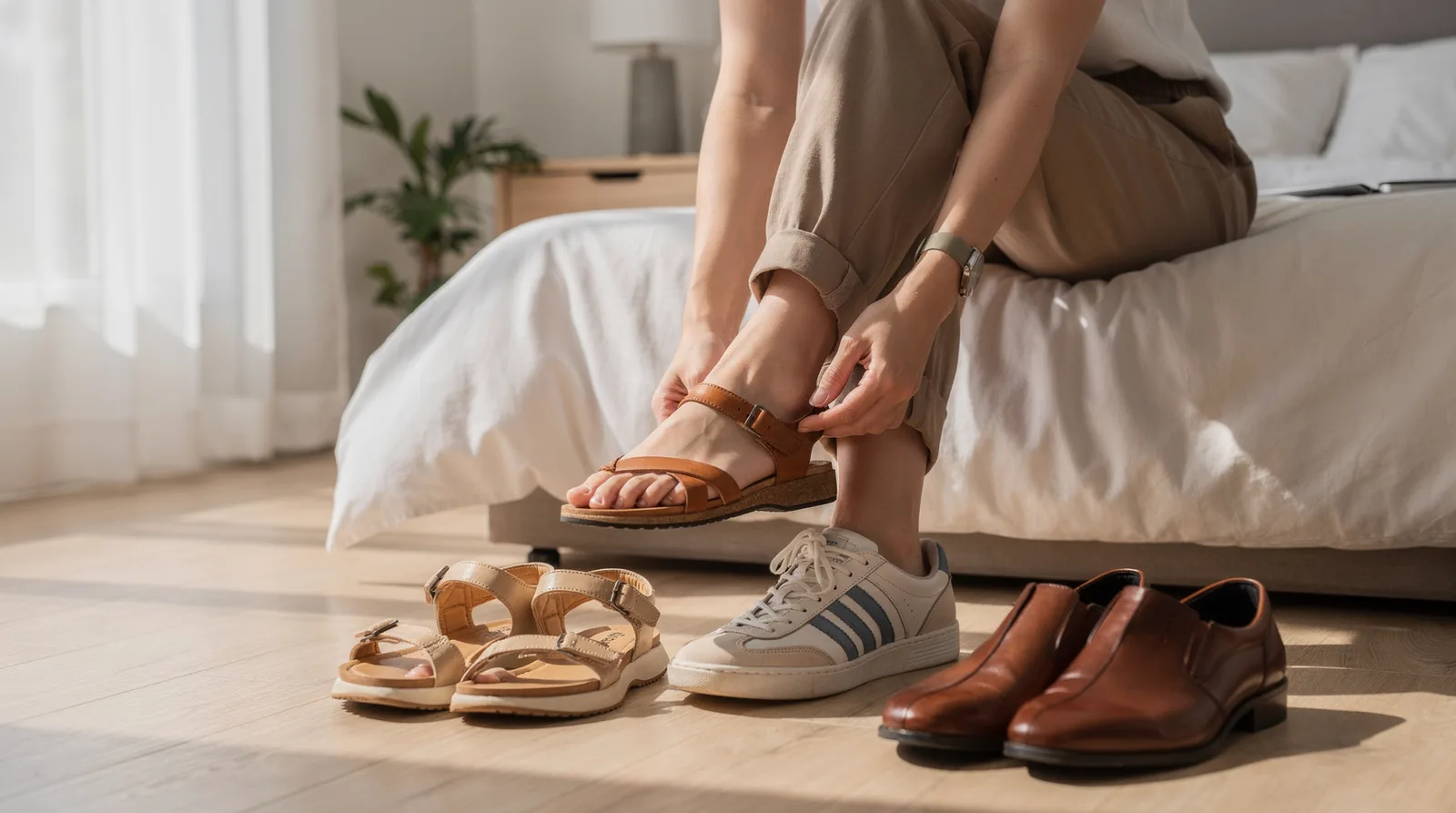
Choosing between sandals and closed shoes for plantar fasciitis depends on cushioning, support, and stability, not on style preference. Podiatric guidance consistently names these three factors as the deciding elements, regardless of whether the footwear is open or closed. A shopper managing heel pain gains more from matching engineered features to daily activity than from picking a category by habit.
Dual-density insoles, firm heel counters, and broad toe boxes matter more than the open-versus-closed debate. Products built by specialists to relieve foot discomfort deliver support for a range of conditions, letting wearers stay active without sacrificing protection. Closed shoes typically offer more structure for long walks or work shifts. Supportive sandals suit warm weather or short errands.
Does It Matter Whether the Shoe Is Open or Closed?
Structure matters more than the open-toe or closed-toe design itself. A sandal with a rigid footbed and contoured arch support outperforms a apartment, unsupportive closed shoe for plantar fasciitis relief.
A practical approach for daily rotation:
- Closed shoes: extended standing, work environments, cooler weather, or early recovery stages needing maximum stability.
- Supportive sandals: warm climates, brief outings, or post-recovery days when breathability matters.
- Slippers: indoor recovery periods requiring cushioning without full shoe structure.
A catalog spanning diabetic and orthopedic shoes, slippers, and sandals lets shoppers select the right support level for each part of the day, rather than forcing one pair to handle every activity. cite-3
The selection between sandals and closed shoes for plantar fasciitis management requires careful consideration of individual biomechanical needs and activity demands. Closed shoes with engineered support systems and dual-density insoles address the structural deficiencies that contribute to plantar fasciitis. Sandals serve specific contexts where minimal constraint proves beneficial. Evidence-based footwear selection, informed by professional assessment and personal tolerance, establishes the foundation for effective symptom management and long-term foot health outcomes.