


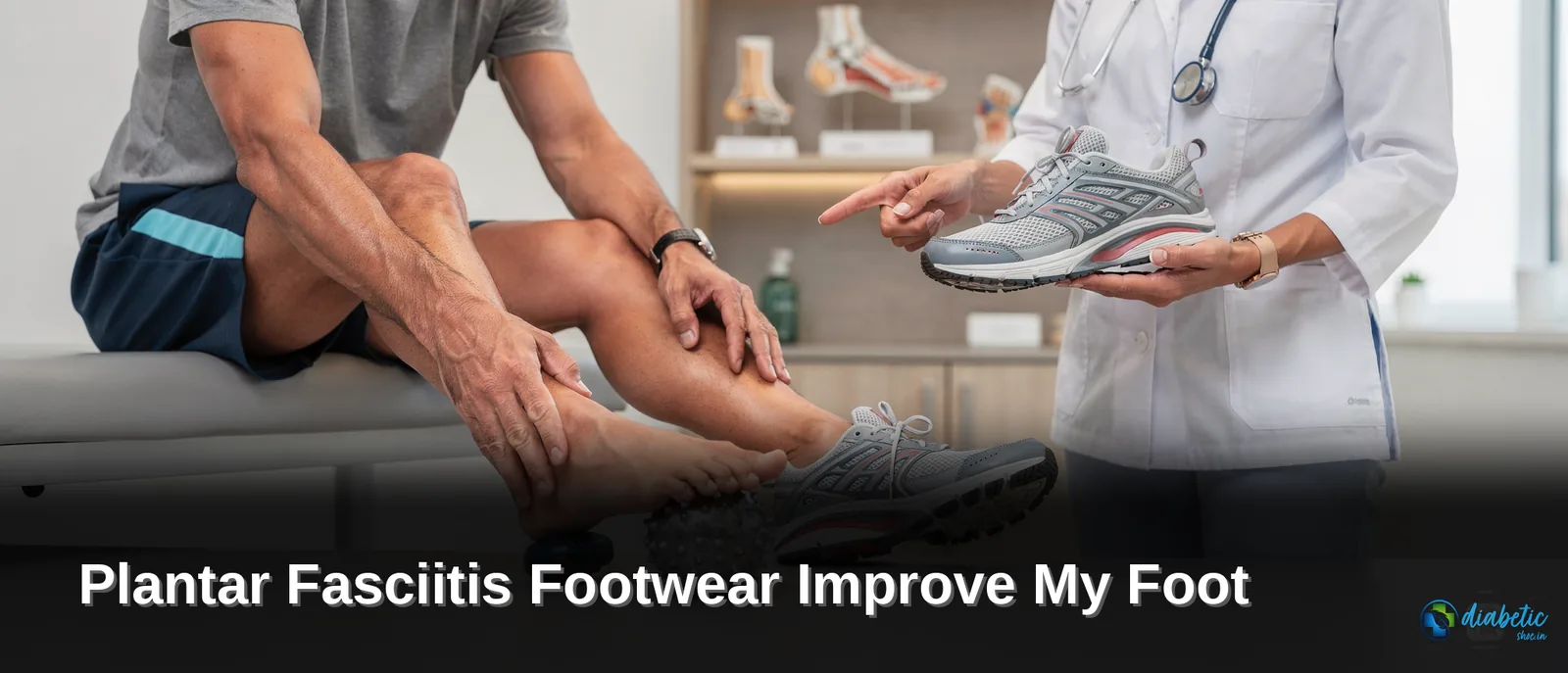
How Can Plantar Fasciitis Footwear Improve My Foot Pain and Overall Comfort
How Can Plantar Fasciitis Footwear Improve My Foot Pain and Overall Comfort
By Diabetic Shoe - An Ortho Shoes Company Editorial Team · Updated 2026-08-01
Effective plantar fasciitis footwear combines dual-density insoles, firm arch support, and broad toe boxes, features built into Drew Shoes' orthopedic designs. A stable heel counter limits excess motion, while cushioned midsoles absorb shock with each step. Rigid outsoles prevent the plantar fascia from overstretching, reducing inflammation and delivering measurable, consistent heel and arch pain relief throughout the day.
What Does Plantar Fasciitis Footwear Really Fix?
Plantar fasciitis footwear targets the mechanical root of heel and arch pain, not just the surface symptoms. Engineered comfort shoes, built with dual-density insoles and broad toe boxes, address inflammation at the plantar fascia by cushioning impact and reducing pressure on the heel. Poor footwear aggravates this tissue with every step; the right structure interrupts that cycle instead of masking it.
Specialists design these shoes to alleviate discomfort directly, rather than offer generic cushioning. Each pair accounts for the biomechanics behind chronic foot conditions, distributing weight more evenly across the sole. That precision matters because plantar fasciitis rarely responds to a one-size-fits-all shoe.
Can the right shoe actually prevent long-term foot damage?
Yes. Choosing appropriate footwear reduces pain significantly and helps prevent long-term complications from developing. Ill-fitting shoes compound stress on the plantar fascia over months and years, turning a manageable flare-up into a chronic condition. Consistent, supportive footwear interrupts that progression early.
Maximum-support features serve a second purpose beyond pain relief: sustaining an active lifestyle. Wearers with chronic foot conditions often scale back daily activity to avoid discomfort. Shoes built for genuine support remove that trade-off.
| Footwear Feature | Function |
|---|---|
| Dual-density insole | Absorbs shock, reduces heel strain |
| Broad toe box | Prevents crowding, eases pressure points |
| Maximum-support structure | Sustains mobility, supports active routines |
Which Shoe Features Matter Most For Heel Pain?
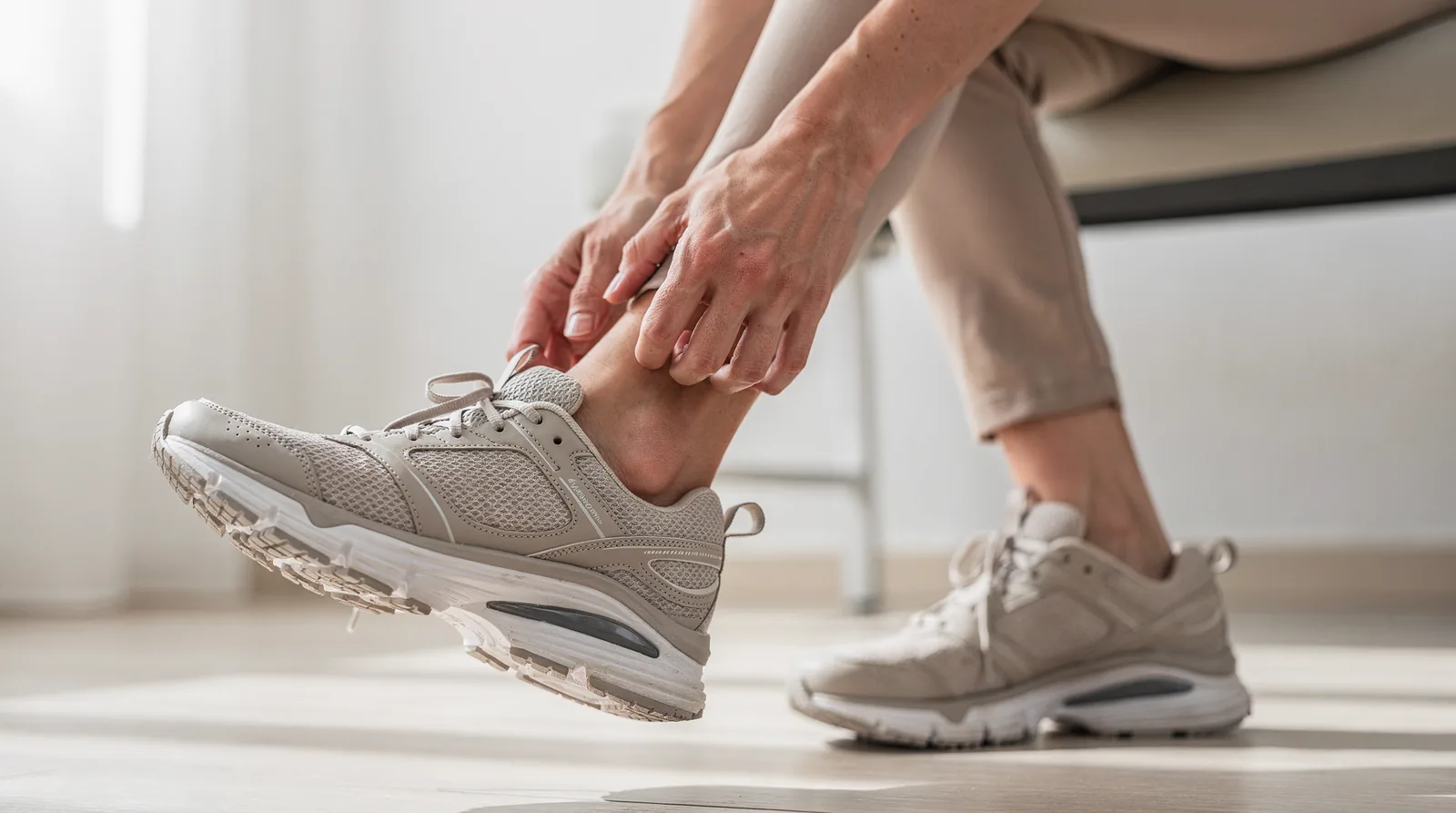
Five structural elements separate genuine relief from marketing hype: arch support, cushioning, stability, fit, and shock absorption. Podiatrists rely on these five criteria when evaluating footwear for foot pain. Each plays a distinct role in reducing strain on the plantar fascia.
A broad toe box paired with a dual-density insole reduces pressure points that aggravate heel and arch pain. The wider toe box allows natural toe splay, while the dual-density layer cushions impact without collapsing under body weight. Specialist-crafted construction targets multiple foot conditions rather than offering generic, one-size-fits-all padding. That distinction matters for anyone managing chronic diabetic or orthopedic pain, not just occasional soreness.
What Should Cushioning Feel Like In A Plantar Fasciitis Shoe?
Cushioning needs firmness, not softness. Overly plush foam absorbs shock initially but compresses quickly, leaving the heel unprotected by midday.
| Feature | Function | Risk If Missing |
|---|---|---|
| Arch support | Distributes weight evenly | Fascia overstretching |
| Stability/structure | Limits excess foot motion | Compensatory joint strain |
| Proper fit | Prevents friction and slippage | Blisters, altered gait |
| Shock absorption | Cushions heel strike | Repeated micro-trauma |
Engineered comfort technology built into premium orthotic footwear directly addresses these pain points, combining support with structure so wearers can stay active without sacrificing stability.
What Should You Avoid When Choosing Shoes?
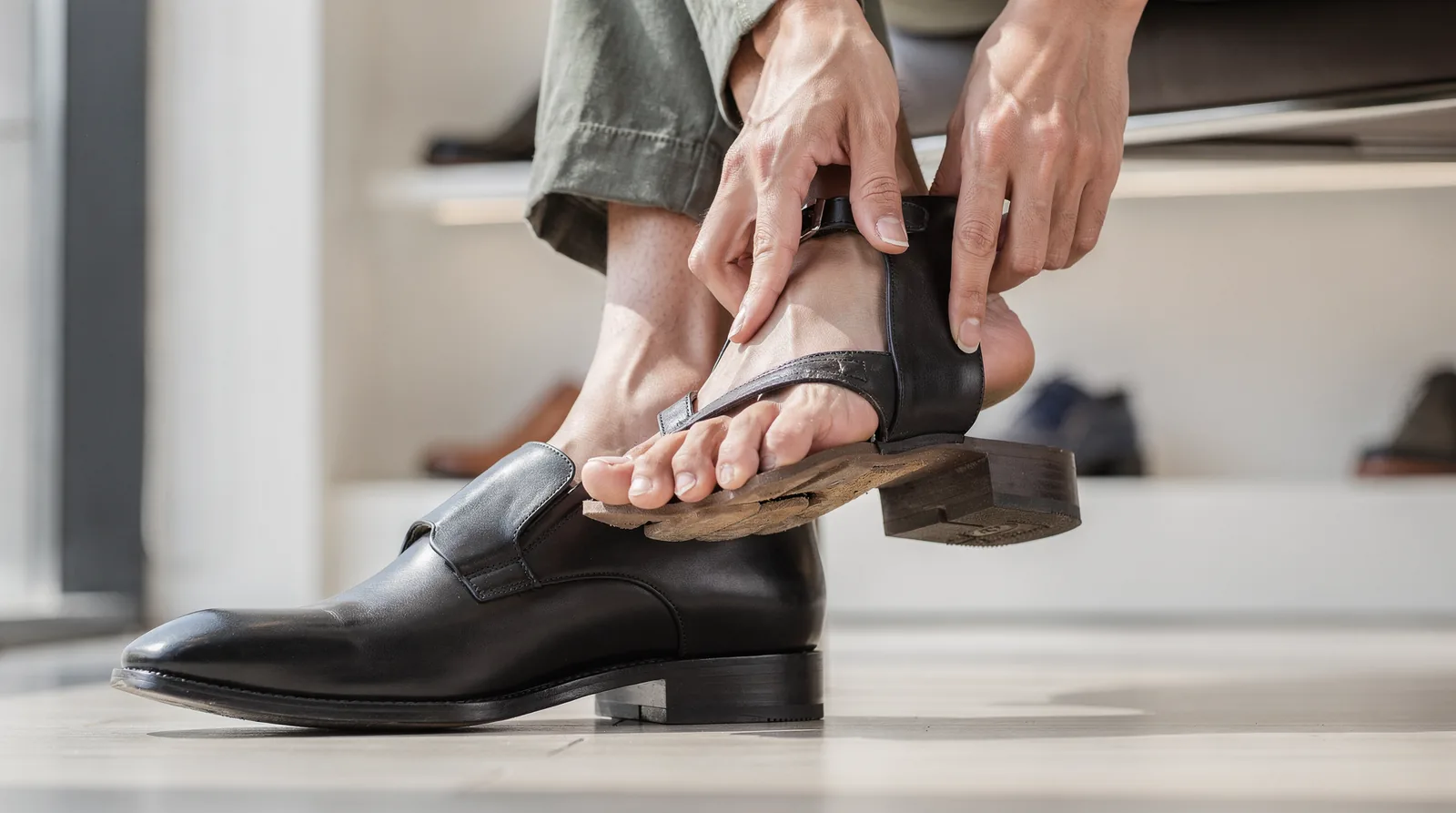
Generic athletic sneakers pose the biggest risk for people managing chronic heel and arch pain. Research on routine footwear links poor shoe selection to substantial discomfort. Disability among people with plantar fasciitis, making the wrong purchase a costly mistake rather than a minor inconvenience.
Standard shoes lack the engineered comfort features—dual-density insoles, structured heel counters, broad toe boxes—that separate purpose-built orthopedic designs from mass-market options. Skipping premium orthotic construction in favor of a cheaper, generic pair often trades short-term savings for long-term flare-ups.
Are Standard Sneakers Enough for Plantar Fasciitis?
Rarely. Most standard sneakers prioritize style or price over support, leaving the plantar fascia unprotected during daily walking or standing. Shoppers asking How Can Plantar Fasciitis Footwear Improve My Foot Pain and Overall Comfort? should look past marketing claims and check for verified orthopedic engineering.
When comparing options, avoid shoes that fail these basics:
- Thin, unsupportive midsoles with no dual-density cushioning
- Narrow toe boxes that compress the forefoot
- Worn-out or non-replaceable insoles
- No accommodation for orthotic inserts
Choosing footwear built for active lifestyles, rather than generic alternatives, keeps mobility intact without sacrificing comfort.
Selecting appropriate footwear for plantar fasciitis requires prioritizing evidence-based design features that address the biomechanical demands of the condition. Arch support, cushioning technology, and structural stability work synergistically to reduce strain on the plantar fascia and facilitate pain relief. By investing in shoes engineered with these essential elements, individuals establish a foundational component of comprehensive foot care that supports both immediate comfort and long-term musculoskeletal health.