


Do You Provide Consultations for Selecting the Best Footwear for My Needs
Do You Provide Consultations for Selecting the Best Footwear for My Needs

By Diabetic Shoe - An Ortho Shoes Company Editorial Team · Updated 2026-08-01
Virtual shoe consultations match customers with diabetic and orthopedic footwear suited to their foot shape, activity, and medical needs without an in-store visit. Diabetic Shoe offers guided selection across its range, from ₹980 slippers to ₹11,995 orthopedic styles, helping shoppers avoid returns and select correctly sized, supportive footwear the first time.
Why Do Online Shoppers Fear Sizing Mistakes?
Sizing anxiety stems from a mismatch problem, not indecision. Fifty percent of men and 34% of women actually need a wide shoe. Most retailers still push standard-width options as the default. That gap between foot shape and shelf inventory explains why so many online orders end in returns.
Length adds another layer of risk. Nearly 80% of people have one foot longer than the other, a variance that most sizing charts ignore entirely. A single "size 10" label cannot account for that asymmetry, leaving shoppers to guess which foot the fit should favor.
What happens when shoes don't match foot shape?
Ill-fitting footwear causes friction, pressure points, and long-term discomfort, especially for feet already dealing with structural issues. For individuals with diabetes, foot ailments like plantar fasciitis, or conditions such as hammertoes and bunions, a poor match escalates from annoyance to genuine health risk.
Do you provide consultations for selecting the best footwear for my needs?
Diabetic Shoe builds its catalog around engineered comfort rather than generic sizing, using dual-density insoles and broad toe boxes to address these exact problems. This construction serves people managing chronic foot pain, diabetes-related sensitivity, and common structural ailments. The population most vulnerable to sizing errors when shopping without guidance.
What Does a Virtual Shoe Fitting Include?
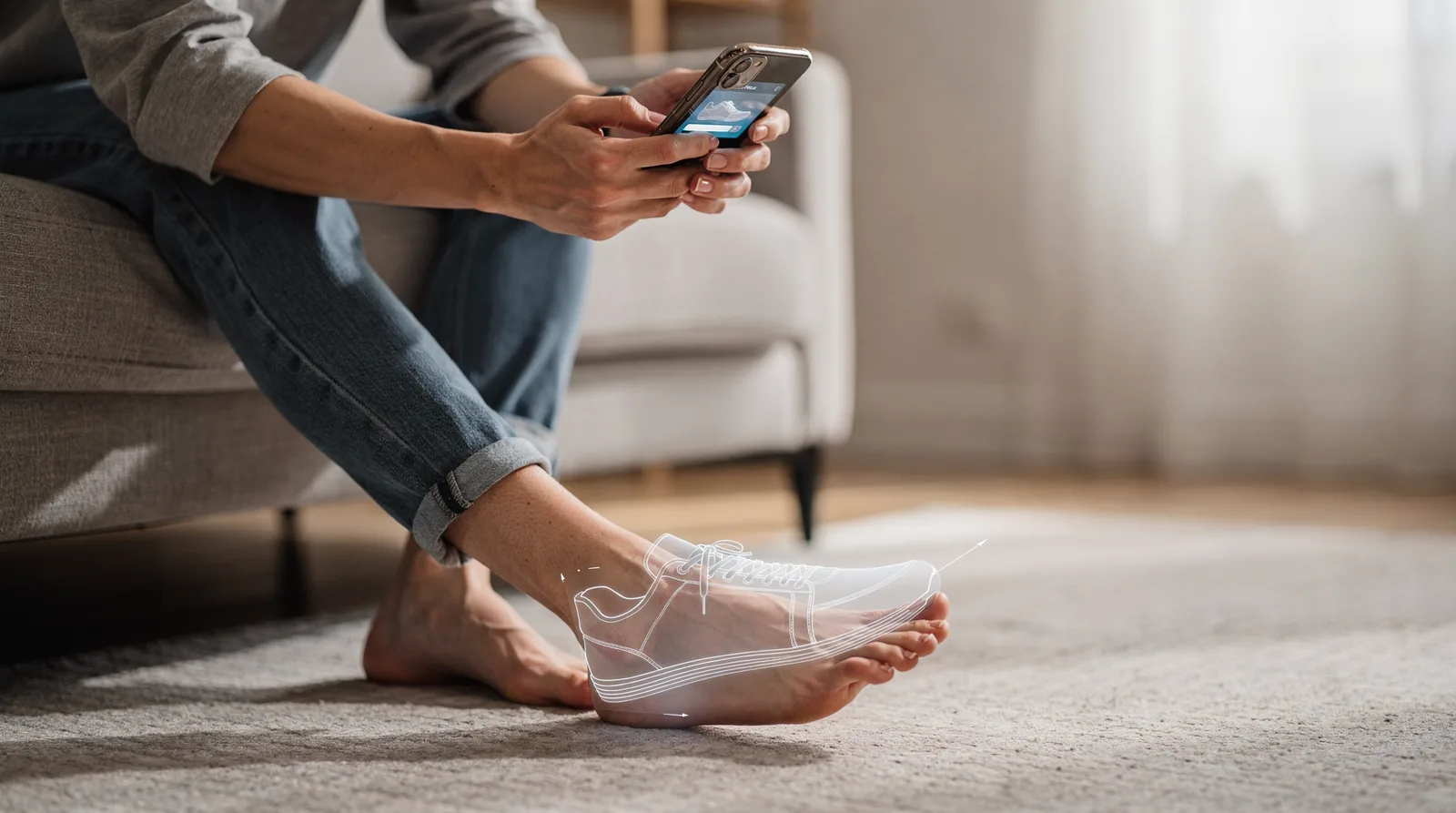
A virtual shoe fitting combines gait questions, foot measurements, and lifestyle details to narrow down suitable footwear. Retailers such as Road Runner Sports have built rapid digital tools that produce personalized shoe recommendations within a few minutes, proving that remote fitting can replace much of an in-store visit. Structured fitting processes go further than matching a printed size. They weigh foot shape, activity level, and daily demands before suggesting a shoe.
Diabetic Shoe provides consultations for selecting the best footwear for individual needs through specialists trained to identify the root cause of foot discomfort. Rather than defaulting to a generic size chart, these specialists review conditions like neuropathy, swelling, or arch collapse before recommending shoes built for maximum support. That assessment step matters most for shoppers managing diabetes or orthopedic pain. The wrong fit risks blisters, pressure sores, or worsening joint stress.
What information does a consultation typically request?
Most consultations ask about foot width, known conditions, daily activity, and any prior pain points. Shoppers benefit from having recent shoe sizes and photos of their feet on hand.
Can a virtual consultation match products to a budget?
Yes. Diabetic Shoe carries a range spanning entry-level slippers and sandals through premium orthopedic footwear. Consultations can align medical necessity with what a customer wants to spend. cite-3
- Foot condition and pain assessment
- Activity and lifestyle review
- Width and arch evaluation
- Product matching across price tiers
Can Virtual Consultations Address Orthopedic and Diabetic Needs?
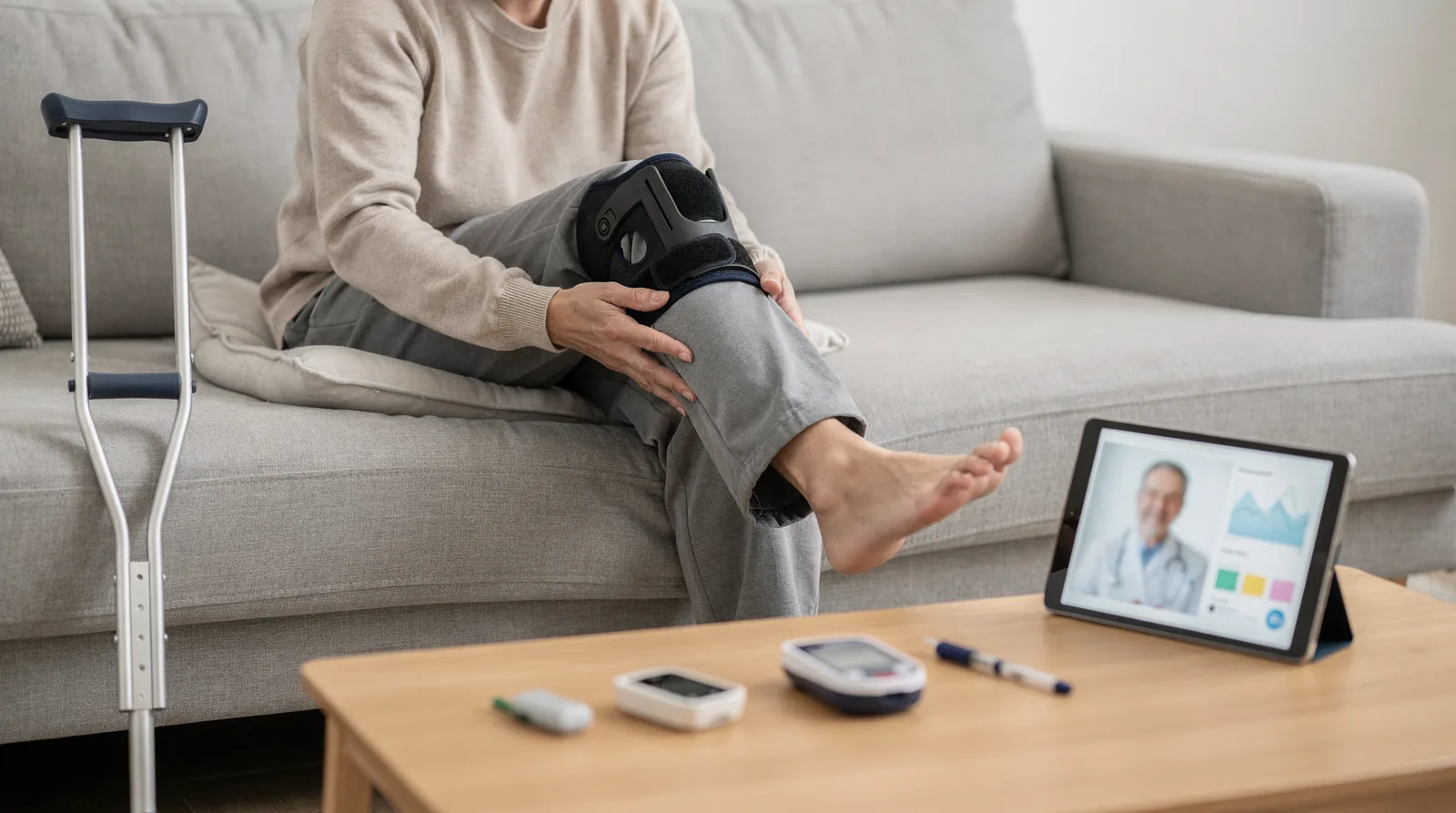
Yes, specialized footwear brands routinely pair virtual product selection with condition-specific guidance rather than a generic size chart. Shoppers frequently ask, do you provide consultations for selecting the best footwear for my needs, and the answer depends on matching each customer to a defined health profile. Products from brands in this category get built by specialists to relieve discomfort. Provide maximum support across a range of foot conditions, giving customers a foundation for staying active despite pain.
Several groups gain the most from this guided approach:
- People recovering from foot surgery or a recent injury, whose healing timeline changes what support they need
- Workers in physically demanding jobs who need reinforced structure over standard cushioning
- Individuals with arthritis or gout, where joint sensitivity matters more than raw shoe size
- Anyone managing chronic foot pain, deformities, or other systemic conditions
Who else benefits from this kind of consultation?
Guidance extends past the individual buyer. Healthcare professionals and caregivers often source footwear on behalf of patients. They need the same condition-specific input a direct customer would receive. Consultation, in this sense, functions as a shared resource between clinical staff and the people they support—not a one-time transaction limited to a single shopper.