


Best Wide-Width Diabetic Shoes in India: Comprehensive Sizing and Fitting Guide for Optimal Diabetic Foot Care
Best Wide-Width Diabetic Shoes in India: Comprehensive Sizing and Fitting Guide for Optimal Diabetic Foot Care
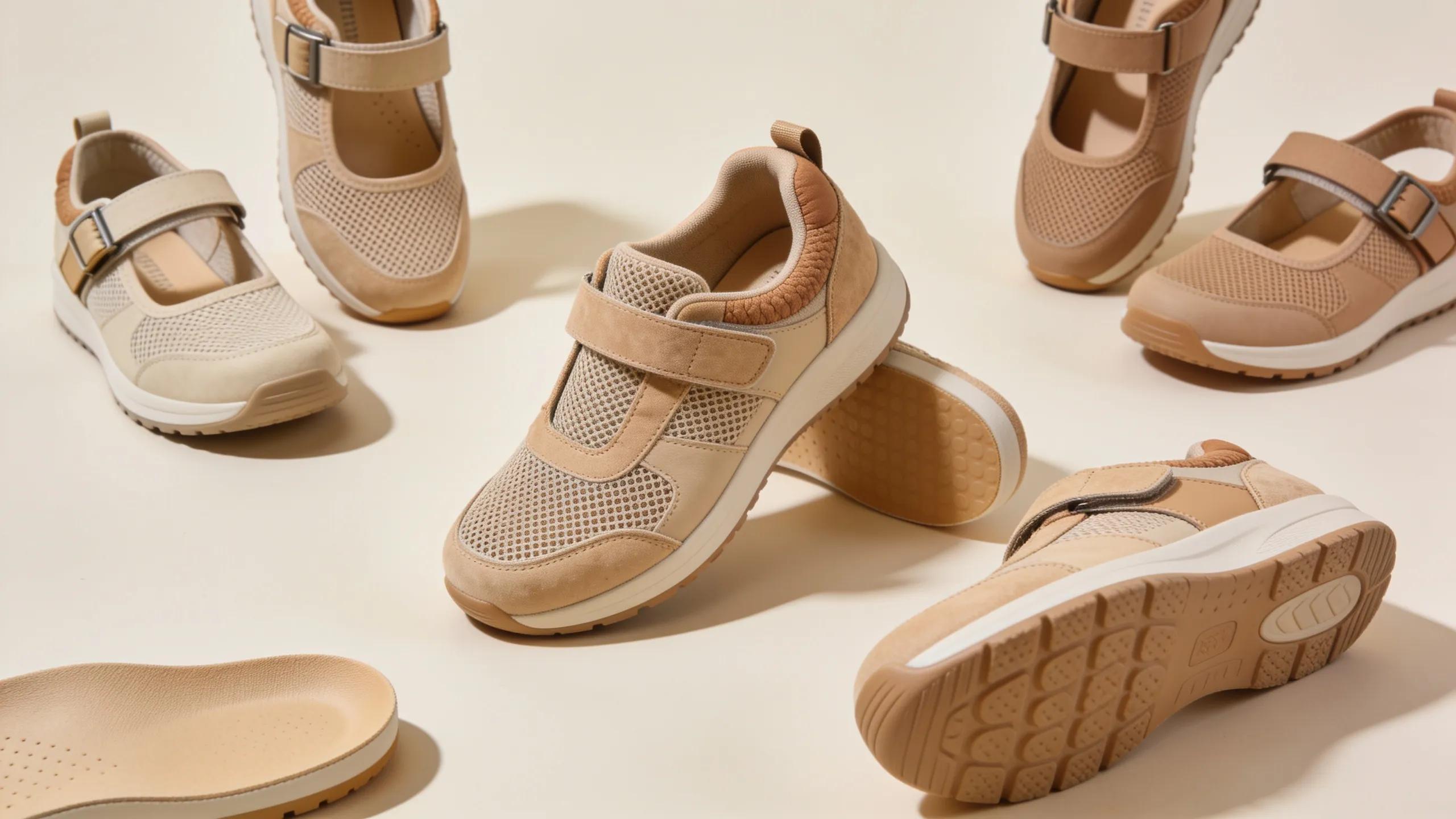
Choosing the right footwear is paramount for individuals living with diabetes, particularly when it comes to wide-width diabetic shoes. These specialized shoes provide essential support and alleviate discomfort arising from various foot conditions associated with diabetes. This comprehensive guide will not only offer insights into the best wide-width designs available in India but will also cover sizing and fitting specifications critical for proper foot care. In an era where foot-related complications are prevalent, understanding shoe options, how to measure for the perfect fit, and the importance of specialized designs can significantly impact foot health and overall well-being.
In this article, we will explore essential topics, including how to accurately measure for wide and extra-depth diabetic shoes, the standard sizing metrics, and key features that enhance comfort. Additionally, we’ll discuss the importance of adjustable designs and the specific foot conditions that necessitate wide-width diabetic shoes. By the end of this guide, you will have a solid understanding of making the most informed choices regarding footwear that aligns with your health needs.
How to Accurately Measure for Wide and Extra-Depth Diabetic Shoes in India
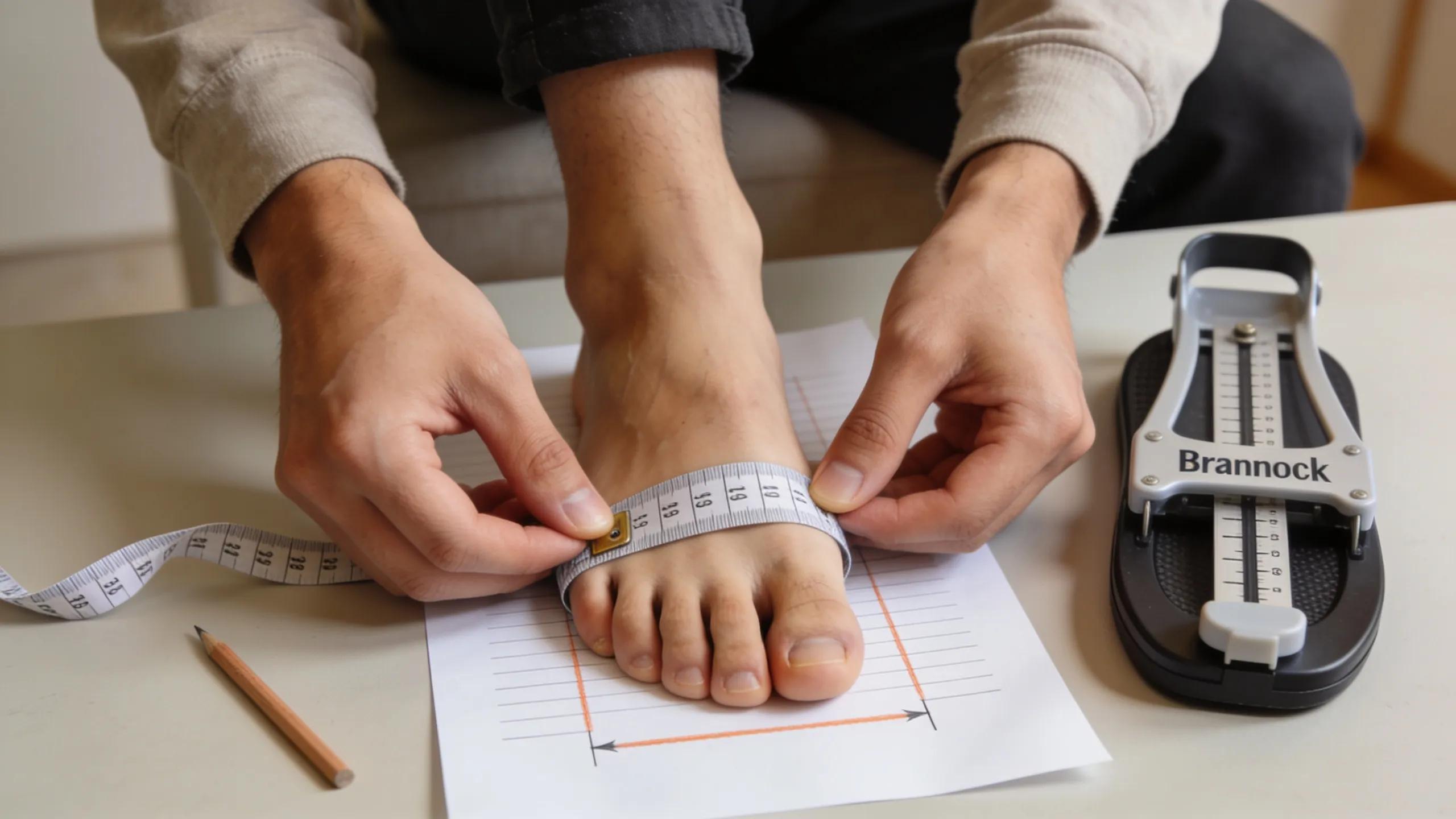
Accurately measuring for wide and extra-depth diabetic shoes involves understanding the necessary techniques and tools essential for achieving an optimal fit. Proper measurements are critical as they directly affect comfort and foot health. Techniques include measuring both the length and width of the feet to account for swelling, which is common among diabetic individuals. It is advisable to use a ruler or measuring tape, a piece of paper, and a Brannock device to obtain precise readings. Remember to measure later in the day when feet are likely to be at their largest.
What Are the Standard Sizing Metrics Including EEE Width Specifications?
Standard sizing metrics for diabetic shoes include various width classifications, namely Narrow (B), Regular (D), Wide (2E), Extra Wide (4E), and EEE sizing. The EEE width specification is particularly significant for individuals requiring extra room and comfort due to conditions such as neuropathy or bunions. It's crucial to familiarize oneself with these metrics to choose shoes that adequately accommodate one's foot shape and size.
Understanding that traditional sizing systems often fall short for the unique foot morphology prevalent in India, the BHA system offers a data-backed approach to standardize shoe sizing, encompassing both length and width measurements for an improved fit.
Optimizing Diabetic Shoe Sizing for Indian Foot Morphology: The BHA System 1. Shoe sizing systems vary significantly around the world, with each country using their own system such as US, UK, European, and Japanese. However, these systems developed internationally have largely been developed based on western foot shapes, and are not a good fit for the unique morphological aspect of Indian foot shapes since Indian feet are typically shorter, wider, and have a higher arch. Thus users in India primarily have issues with shoes that do not fit well, are uncomfortable, and are sized inconsistently across brands. The Bharath (BHA) shoe sizing system was developed as a national standard of shoe sizing that would be inclusive of the population specific shape for shoes based on Indian foot morphology. BHA shoe sizing incorporates foot length, ball girth, heel width and arch height based on Indian samples using sizing utilizing large anthropometric methods and 3D foot scan based sizes. Unlike foreign systems that focus mostly on foot length, the BHA system includes both length and width measurements, making the overall fit more accurate and comfortable for Indian users Furthermore, modern techniques in machine learning and image-driven analysis could also contribute to the automation of foot measurement and the accuracy of predicting BHA size. The BHA system gives India a clear, data-backed way to standardize shoe sizing, improving fit accuracy while opening the door for future digital and AI-based measurement tools. Optimized Comfort Fit for Indians: A Machine Learning Based BHA System Study, 2026
Which Techniques Ensure Proper Foot Measurement Despite Swelling?
To ensure accurate foot measurement, it is essential to consider timing and technique. Measuring feet later in the day accounts for natural swelling. Using materials such as a ruler or measuring tape and a piece of paper ensures a reliable measurement. Incorporating a Brannock device can also aid in acquiring an accurate measure of both length and width of the foot.
What Are the Key Features of Adjustable and Extra-Depth Diabetic Footwear?
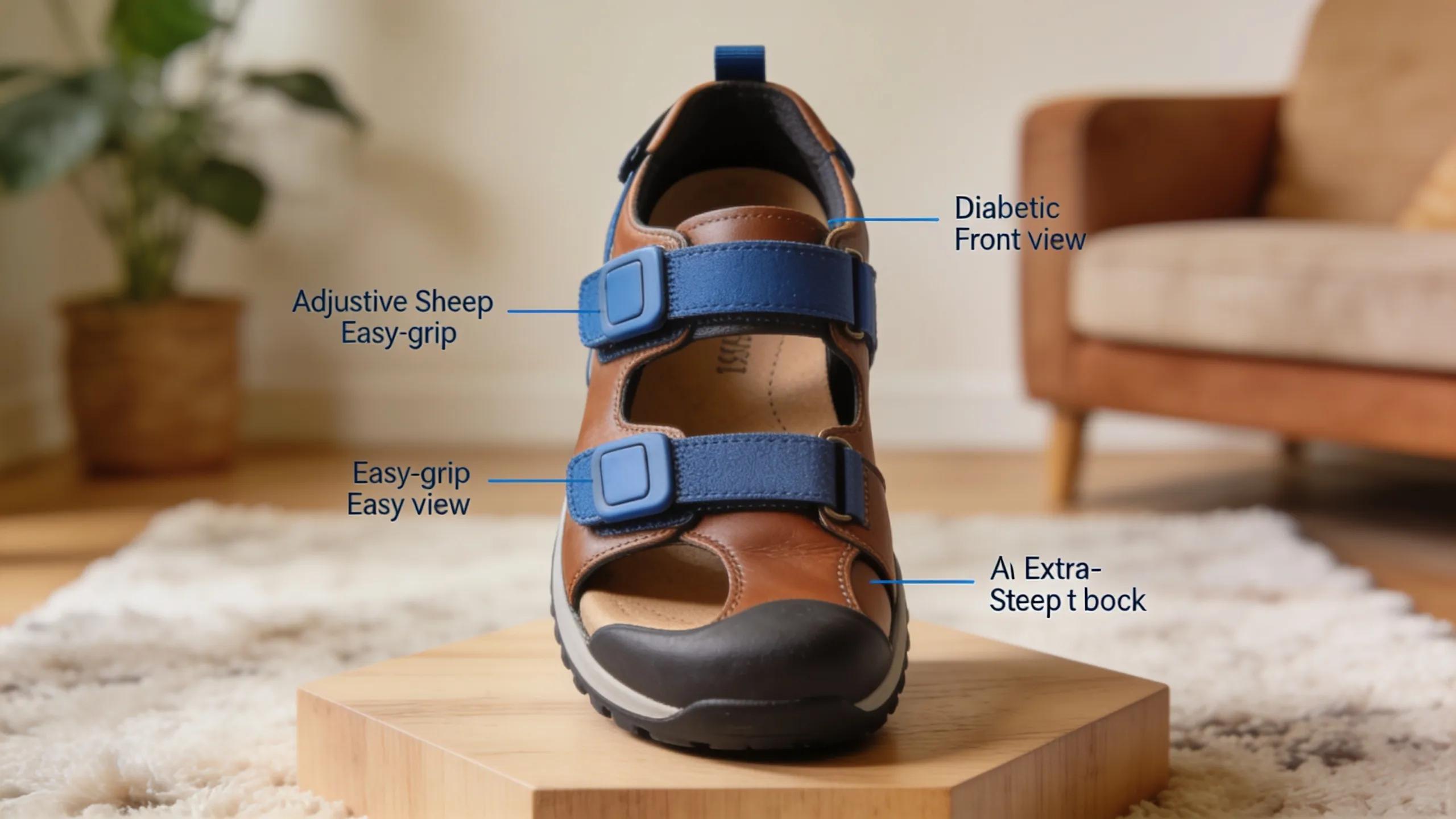
Adjustable and extra-depth diabetic footwear includes essential features that enhance comfort and functionality. Key characteristics of these shoes include:
- Adjustable Straps: Allow for a customized fit, accommodating foot swelling and changes in foot shape.
- Extra Depth Design: Provides additional space for custom orthotics and foot deformities.
- Wide Toe Box: Ensures ample room for the toes, reducing pressure points and discomfort.
- Cushioned Soles: Offer shock absorption and improve overall foot comfort.
- Seamless Interiors: Prevent skin irritations and facilitate a comfortable wear.
These features collectively serve to alleviate discomfort and enhance the quality of life for individuals suffering from diabetic foot complications.
Understanding the specific design features of therapeutic footwear is crucial for mitigating complications like neuropathy, ischemia, and deformities by redistributing plantar pressure and absorbing shock effectively.
Therapeutic Footwear Design Features for Diabetic Foot Complications 1. Therapeutic footwear for patients with diabetic foot complications is a crucial biomechanical intervention addressing neuropathy, ischemia, and deformities. Engineered to redistribute plantar pressure, absorb shock, and protect tissue, its effectiveness relies on harmonizing each component with foot anatomy to mitigate abnormal plantar pressure and ulcer risk. Key design features include roomy, extra-depth toe boxes to accommodate deformities, reinforced heel counters for rearfoot stability, multilayered insoles providing cushioning and total contact support to offload bony prominences, and outsoles, often with rocker profiles, to reduce forefoot dorsiflexion demands and prevent forefoot ulcers. Understanding biomechanical principles allows clinicians to select or modify footwear that functions as a therapeutic device, supporting gait, accommodating deformities, and reducing shear stress. Peak plantar pressure, often highest under the forefoot, can reach 120% of body weight during ambulation. Footwear recommendations vary by risk level, from off-the-shelf shoes for low risk to medical-grade custom shoes for severe deformities. Shoe modifications, such as different rocker sole designs (forefoot, double, negative heel) and excavation techniques, offer target offloading for specific patients with neuropathy. It involves ensuring adequate toe clearance, width, depth for insoles, and heel fit. Clinicians must educate patients on incremental wear and daily foot inspection. Optimal footwear balances support and space to offload pressure. Ultimately, properly fitting therapeutic footwear significantly reduces mechanical stress leading to ulcers, preserving mobility and preventing devastating outcomes. Footwear for Diabetic Foot Complications, M Nouman, 2025
How Do Adjustable Straps Enhance Comfort for Swelling and Foot Deformities?
Adjustable straps significantly contribute to footwear comfort by providing a tailored fit. They can be loosened or tightened as needed, which is especially beneficial for individuals experiencing fluctuations in foot size due to swelling. This feature also accommodates various foot shapes and deformities, ensuring a secure fit without compromising comfort.
Why Are Extra-Depth and Wide-Width Designs Critical for Neuropathy and Bunions?
Extra-depth and wide-width designs are essential for individuals suffering from conditions like neuropathy and bunions. These designs reduce pressure on sensitive areas of the foot, preventing blisters and calluses that can arise from traditional footwear. The additional depth allows for custom orthotics, which can further support proper alignment and foot health, mitigating pain associated with these conditions.
Which Foot Conditions Necessitate Wide-Width Diabetic Shoes and How Do They Impact Fitting?
Several foot conditions necessitate the use of wide-width diabetic shoes. Common ailments include neuropathy, edema, and various foot deformities. Each condition impacts fitting requirements differently; for instance, neuropathy may increase sensitivity and necessitate additional room, while edema may cause significant swelling, requiring adjustable fitting solutions.
How Does Foot Swelling Alter Footwear Requirements?
Foot swelling alters footwear requirements significantly, as it necessitates shoes that can adjust to size changes comfortably. Adjustable closures and wide-width designs are crucial as they can accommodate fluctuations without constricting the foot, which could lead to discomfort or exacerbate existing health issues.
What Shoe Solutions Are Available for Bunions, Hammertoes, and Plantar Fasciitis?
When addressing conditions such as bunions, hammertoes, and plantar fasciitis, certain shoe solutions prove beneficial:
- Cushioned Interiors: Provide shock absorption and comfort to sensitive areas.
- Wide Toe Boxes: Prevent pressure on bunions and hammertoes by providing ample space.
- Orthotic-Friendly Designs: Accommodate custom insoles that address plantar fasciitis effectively.
These specialized characteristics ensure that the wearer receives the necessary support and comfort, enhancing mobility and reducing pain.
How Do Virtual Consultations Enhance Personalized Diabetic Shoe Fitting in India?
Virtual consultations have revolutionized the way individuals approach shoe fitting for diabetic needs. By providing tailored fitting advice through technology, patients can benefit from expert insights without needing to visit a physical store. This accessibility allows for personalized recommendations that cater specifically to their unique needs regarding footwear.
What Is the Process of Virtual Footwear Assessment and Size Recommendation?
The virtual footwear assessment process typically involves a thorough consultation where individuals provide details about their foot size, shape, and any specific conditions affecting their feet. Experts analyze this information and may utilize size charts to ensure precise recommendations for suitable diabetic shoe options.
How Does Personalized Advice Improve Usability and Reduce Diabetic Foot Complications?
Personalized advice from professionals can significantly improve the usability of diabetic footwear. Proper fitting and choice instructions can help minimize complications such as ulcers or pressure sores, which are common among diabetic patients. Expert recommendations help ensure that individuals choose footwear that not only fits well but also supports their specific health needs.
Guidelines for Selecting Diabetic Shoes
| Shoe Feature | Attribute | Value |
|---|---|---|
| Adjustable Straps | Custom fit | Reduce pressure on the foot |
| Extra Depth Design | Ample space | Accommodation for orthotics |
| Wide Toe Box | Roomy design | Prevents discomfort in toes |
| Cushioned Soles | Shock absorption | Enhanced comfort during use |
This comparison highlights the importance of specific shoe attributes, showcasing how they cater to the needs of diabetic patients for optimal comfort and health.
Overall, understanding the nuances of wide-width diabetic shoes, along with effective measuring techniques and essential features, greatly aids individuals in making informed choices that significantly benefit their foot health.