


Arthritis-Approved Walking Shoes for Better Foot Health
Best Arthritis-Approved Walking Shoes for Pain Relief and Comfort
By Nitesh Agrawal, Diabetic Shoe
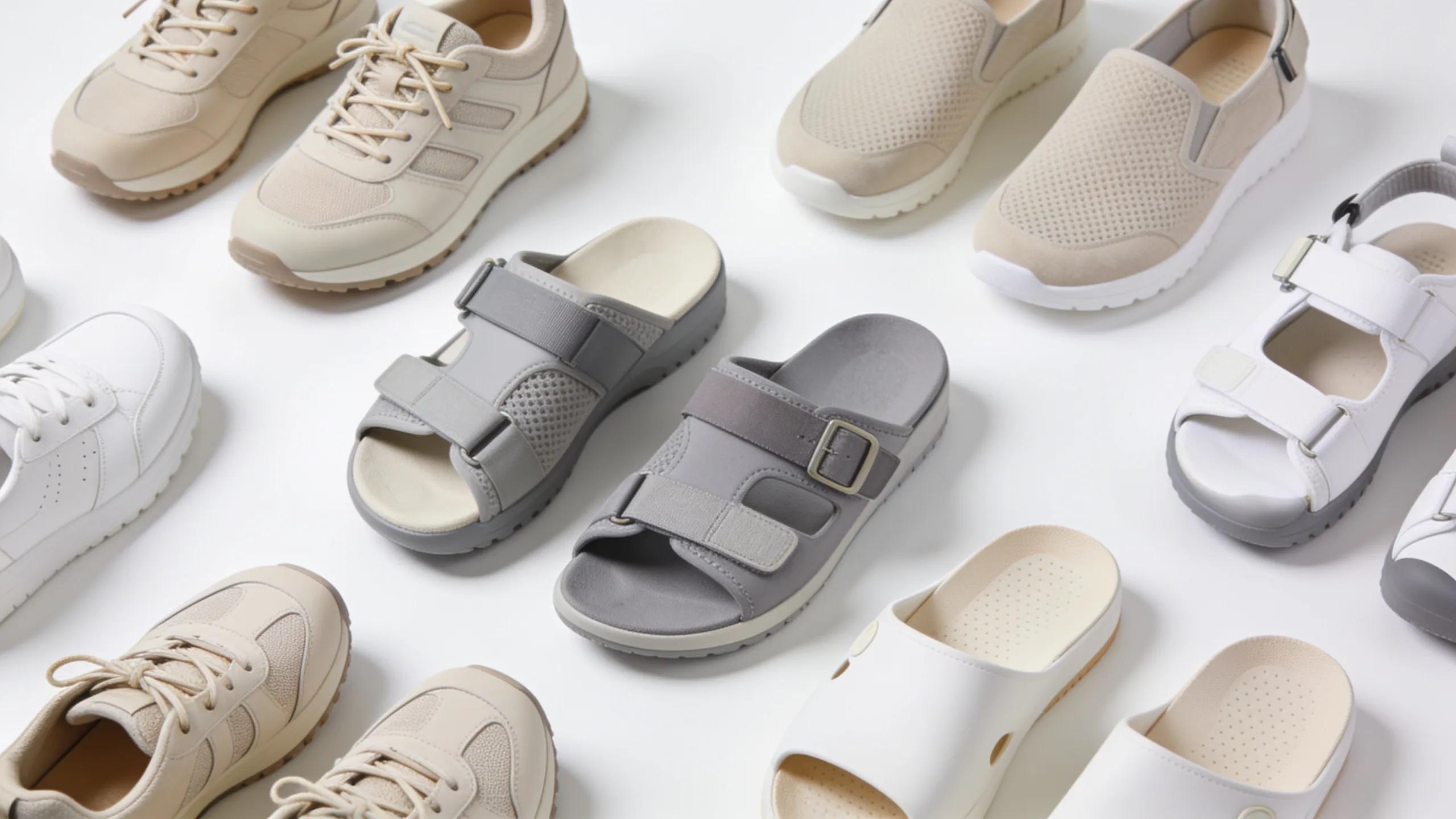
Finding the right walking shoes can be especially challenging for individuals with arthritis, as foot health is crucial for maintaining mobility and overall well-being. Arthritis-Approved walking shoes play a vital role in providing the necessary support and comfort that people with arthritis need. This article delves into the essential features, materials, and brands that cater to arthritis sufferers, offering comprehensive advice on selecting the best footwear for enhanced foot health. Readers will learn about cushioning, arch support, and other key features that contribute to pain relief while walking. Additionally, integrative tips on choosing shoes and a discussion about leading brands will help guide your footwear selection process.
Recommended Features for Arthritis Walking Shoes

Selecting the right features is essential for anyone suffering from arthritis, particularly in the feet. Important characteristics like cushioning and arch support significantly impact comfort levels during physical activities. These features work together to mitigate pain and enhance mobility, making them crucial considerations for a suitable walking shoe.
Cushioning
Cushioning serves as a protective barrier between the foot and the ground, absorbing shock during movement. Shoes with adequate cushioning materials, such as memory foam, effectively reduce the impact on joints, helping to alleviate pain. This essential feature enhances comfort for those experiencing the discomfort associated with arthritis, making it easier to engage in daily activities.
Arch Support
Proper arch support maintains the foot's alignment, alleviating pressure on sensitive joints. Individuals with arthritis often benefit from shoes that provide adequate arch support, as it prevents excessive strain and promotes a more natural stance. Various options are available, ranging from built-in support to custom orthotics, ensuring that everyone can find a suitable solution for their foot structure.
Wide Toe Box
A wide toe box is critical for individuals with swollen feet or bunions, allowing for natural toe movement without pressure restrictions. Shoes designed with a spacious toe area help to eliminate discomfort and provide ample space for foot swelling. This feature not only improves comfort but also reduces the likelihood of developing blisters or corns.
Adjustability
Shoes with adjustable features, such as Velcro straps or stretchy materials, can provide a customized fit, accommodating changes in foot size due to swelling—a common issue for people with arthritis. The ability to adjust fits enhances comfort and promotes better support throughout the day.
Stability Features
Stability features contribute to joint protection and overall safety by reducing the risk of falls. Shoes designed with a firm heel counter and structured sole work together to enhance stability. This is particularly important for those with arthritis, as it fosters greater confidence while walking.
Lightweight Design
A lightweight shoe design minimizes fatigue and allows for longer periods of wear without discomfort. This quality is essential for individuals with arthritis, who may already experience fatigue during activities. Utilizing materials that reduce shoe weight without sacrificing support can significantly enhance the walking experience.
Flexible Outsoles
Flexible outsoles allow for natural foot movement, promoting a more comfortable walking gait. These soles help with coordination and balance, essential for those managing arthritis symptoms. Proper traction and grip further enhance safety during movement, making flexible outsoles a valuable feature.
Rocker Bottom
Shoes equipped with rocker bottom soles facilitate smooth transitions while walking. This design feature helps to reduce pressure on the forefoot, enhancing overall comfort. By promoting a natural walking motion, rocker bottom soles support individuals in maintaining their activity levels despite arthritis-related discomfort.
Recommended Materials
Choosing shoes made from the right materials is essential for maximizing comfort and functionality. Look for breathable fabrics that wick away moisture, as well as shock-absorbing materials that mitigate pressure on sensitive areas of the feet. Quality materials not only improve comfort but also enhance the overall longevity of the shoe.
Recommended Brands
Certain brands focus on producing high-quality footwear designed specifically for those with arthritis. Some reputable brands known for emphasizing comfort and support include:
- New Balance: Offers a range of styles with advanced cushioning and support features.
- Brooks: Renowned for its focus on fit and performance, with shoes designed to ease the impact on joints.
- ASICS: Provides excellent arch support and cushioning, helping to alleviate discomfort during activities.
Additional Tips for Choosing Shoes
Finding the perfect pair of shoes for arthritis sufferers requires careful attention to several factors. Consider the following tips when selecting your footwear:
- Assess Fit: Ensure that shoes provide ample room in the toe box and proper arch support for your foot type.
- Consult Specialists: Utilize the expertise of a podiatrist or shoe fitting specialist to find appropriate options for unique foot needs.
- Test on Different Surfaces: Walk in the shoes on various surfaces to evaluate comfort and stability before making a final decision.
What Features Make Walking Shoes Suitable for Arthritis Pain?
Walking shoes with targeted features like cushioning, arch support, and a wide toe box are crucial in mitigating arthritis pain while enhancing mobility. These elements work together to create a supportive environment, allowing for easier movement and overall comfort throughout daily activities.
How Do Cushioned Soles Help Relieve Arthritis Foot Pain?
Cushioned soles significantly alleviate arthritis foot pain by absorbing shock and reducing impact during walking. Materials like memory foam or gel pads improve foot comfort while providing the necessary support to ease joint discomfort, which is particularly beneficial for individuals struggling with arthritis.
Why Are Wide Toe Boxes Essential for Swollen Feet and Bunions?
Wide toe boxes are essential for accommodating swollen feet and bunions, allowing natural toe movement without putting excess pressure on vulnerable areas. This feature helps prevent pain and blistering, which can be particularly distressing for individuals with arthritis-related foot conditions.
Which Arthritis-Approved Shoes Offer Effective Support for Common Foot Conditions?
When selecting arthritis-approved shoes, it is vital to consider options that offer specific support for prevalent foot conditions. For instance, shoes designed to alleviate plantar fasciitis focus on providing arch support and cushioning to relieve heel pain effectively.
Which Walking Shoes Are Best for Plantar Fasciitis Relief?
For plantar fasciitis relief, look for shoes that provide excellent arch support along with durable cushioning. Brands like New Balance and Brooks typically feature designs that target this condition, ensuring both comfort and stability during walking.
How Do Orthopedic Walking Shoes Assist Seniors with Arthritis?
Orthopedic walking shoes are specially crafted to benefit seniors with arthritis by promoting foot health and mobility. These shoes are designed for better support, featuring shock-absorbing soles and improved arch support, which safeguard against joint strain and enhance the overall walking experience.
Minimalist Footwear for Knee Osteoarthritis Pain Relief
1. Recent studies have shown an important reduction of joint overload during locomotion in elderly women with knee osteoarthritis (OA) after short-term use of minimalist shoes. Our aim is to investigate the chronic effect of inexpensive and minimalist footwear on the clinical and functional aspects of OA and gait biomechanics of elderly women with knee OA. Effectiveness of a long-term use of a minimalist footwear versus habitual shoe on pain, function and mechanical loads in knee osteoarthritis: a randomized controlled …, F Trombini-Souza, 2012
How to Choose Comfortable Footwear for Swollen or Deformed Feet with Arthritis?
Choosing comfortable footwear for swollen or deformed feet involves careful consideration of fit, material, and adjustability. The ideal shoe should offer sufficient space for swelling, be made from soft, breathable materials, and exhibit adjustable features to cater to daily changes in foot size.
What Should You Look for When Selecting Shoes for Bunions and Hammer Toes?
When selecting shoes for bunions and hammer toes, prioritize options with a wide toe box and soft uppers that do not compress sensitive areas. It is essential to ensure that the footwear accommodates the unique shape of the foot without causing further irritation or pain.
Are Custom Orthotic-Compatible Shoes Recommended for Arthritis?
Custom orthotic-compatible shoes are highly recommended for individuals with arthritis, as they allow for personalized inserts that enhance comfort and support. This customizability helps in addressing unique foot shapes and specific needs, ensuring a better fit and improved foot health.
What Foot Care Tips Complement the Use of Arthritis-Approved Walking Shoes?
Maintaining proper foot hygiene and care is essential for maximizing the benefits of arthritis-approved walking shoes. Regularly inspect your shoes for wear, keep feet clean and dry, and consider using soothing foot creams to alleviate any discomfort.
How Can Proper Shoe Fit Prevent Further Arthritis Foot Problems?
Ensuring that shoes fit correctly plays a vital role in preventing further arthritis foot problems. A proper fit minimizes friction and pressure, helping to reduce the occurrence of blisters and calluses while promoting overall foot health.
What Daily Practices Support Foot Health for Arthritis Patients?
Establishing daily practices that nurture foot health is important for individuals with arthritis. This includes performing gentle foot exercises, maintaining an appropriate weight, and wearing the right footwear. Regular consultation with foot health professionals also ensures continued support and guidance. Diabetic shoe options can also be beneficial for those with arthritis-related foot concerns.