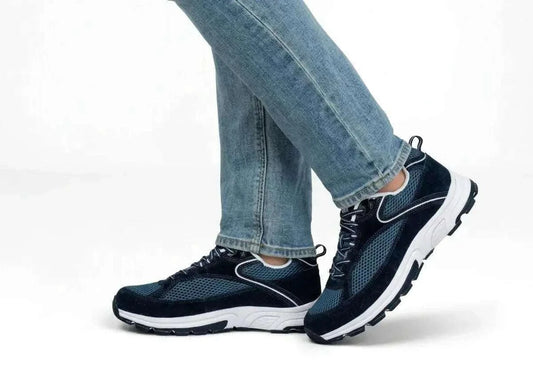
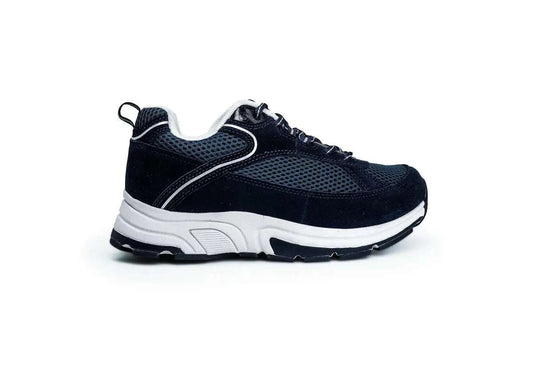
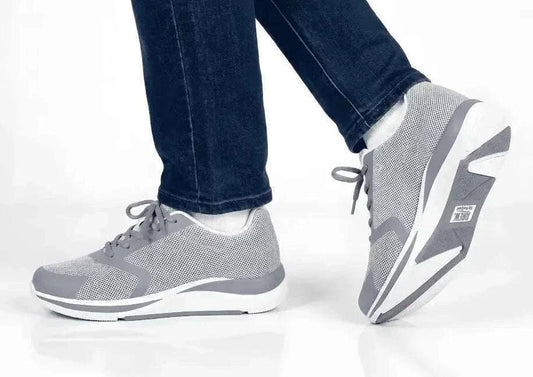
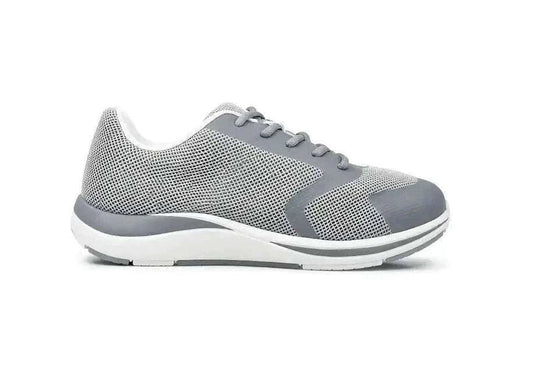
Women's Metatarsalgia Footwear — Cushioned Relief for the Ball of Your Foot

Every step shouldn't come with pain in the ball of your foot. Our Women's Metatarsalgia Footwear is...

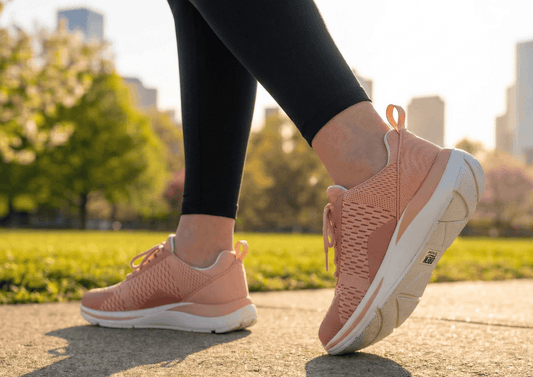
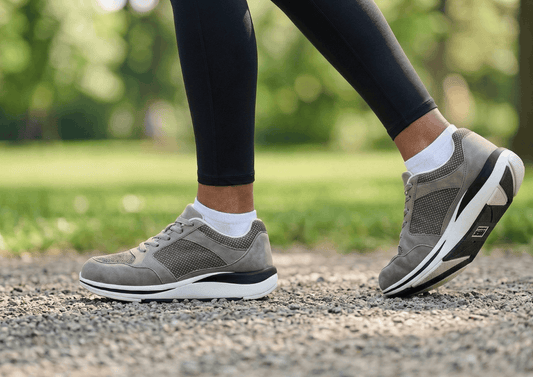
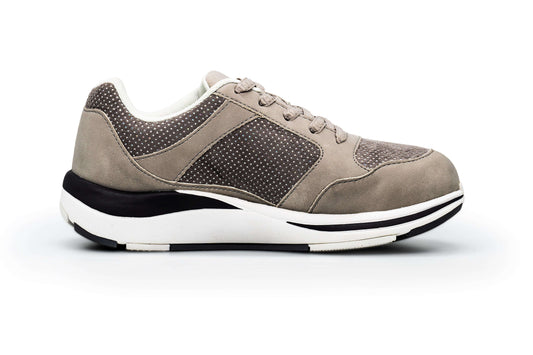
Every step shouldn't come with pain in the ball of your foot. Our Women's Metatarsalgia Footwear is specially designed to cushion, support, and relieve pressure on the metatarsal region, helping to ease the burning, aching, or sharp pain that often comes with this common condition. Built with input from foot health specialists, these shoes let you move through your day with greater comfort and confidence.

Engineered to Relieve Forefoot Pressure

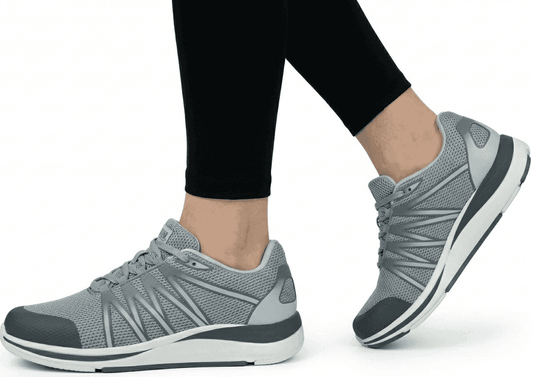
Each pair features a metatarsal pad or support built into the footbed, positioned to lift and separate the metatarsal bones, reducing the pressure and friction that cause forefoot pain. Extra cushioning in the forefoot area helps absorb shock with every step, while a rocker-bottom or flexible sole design encourages a smoother stride, minimizing the strain placed on the ball of the foot during walking.

Podiatrist-Recommended Support

Crafted with guidance from foot health specialists, our metatarsalgia footwear is ideal for women managing:

  • Metatarsalgia
  • Morton's neuroma
  • Ball-of-foot pain or burning sensations
  • Bunions or hammertoes contributing to forefoot pressure
  • Arthritis affecting the forefoot
  • General forefoot fatigue from prolonged standing or walking

A wide, roomy toe box allows toes to spread naturally, reducing compression on the metatarsal heads, while a contoured arch support helps redistribute weight more evenly across the foot, taking pressure off the forefoot. Many styles also include removable insoles, giving you the flexibility to insert custom orthotics or metatarsal pads for additional targeted relief.

Built for All-Day Comfort

The shock-absorbing outsole cushions impact on hard surfaces, making these shoes ideal for walking, standing, or long days on your feet. A supportive, low-profile heel works alongside the forefoot cushioning to promote balanced weight distribution from heel to toe, helping to reduce compensatory strain elsewhere in the foot.

Secure, Adjustable Fit

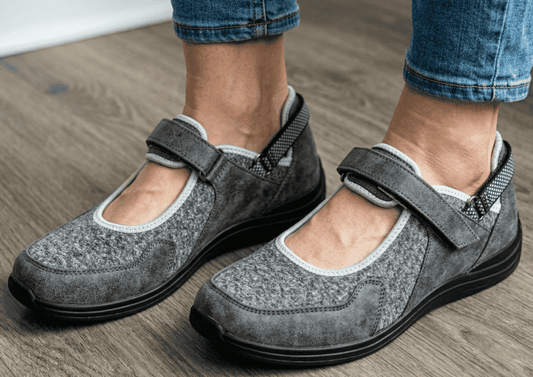
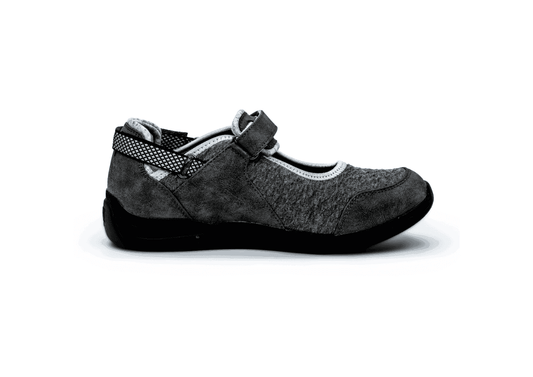
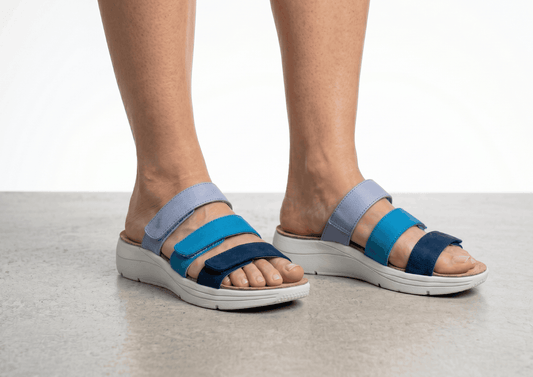
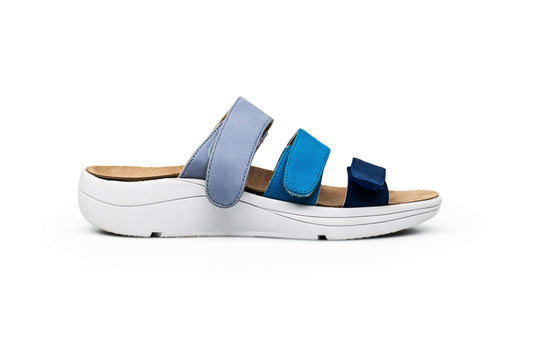
With adjustable closures — including hook-and-loop straps, laces, or stretch panels — you can easily customize the fit to reduce pressure on sensitive areas of the forefoot. A stable heel counter helps keep your foot properly positioned, preventing the forward sliding that can worsen metatarsal pain.

Breathable, Quality Materials

Made from soft, breathable materials like leather or engineered mesh, these shoes help keep feet cool and comfortable while reducing moisture buildup. Durable, non-slip outsoles provide reliable traction, offering stability and confidence on a variety of surfaces.

Style That Supports You

Relief from forefoot pain doesn't mean sacrificing style. Our collection includes a variety of silhouettes — from walking shoes and sneakers to flats and sandals — so you can enjoy targeted metatarsal support that fits seamlessly into your everyday wardrobe.

Perfect For:

  • Women experiencing metatarsalgia or ball-of-foot pain
  • Those managing Morton's neuroma or forefoot nerve pain
  • Standing professions requiring all-day comfort
  • Active women needing extra forefoot protection during walking or exercise
  • Anyone with bunions, hammertoes, or arthritis contributing to forefoot pressure
  • Those seeking preventative support to avoid future forefoot pain

Take the pressure off the ball of your foot — because every step should feel supported.

Why Choose Orthopedic & Diabetic Shoes?

Orthopedic & diabetic shoes combine soft, seamless interiors with supportive orthotic technology to protect sensitive feet from blisters, pressure, and friction. With added depth, cushioned soles, and a roomy fit, these shoes provide relief while helping to prevent foot conditions commonly associated with diabetes.

Key Features:

  • Seam-Free, Padded Interiors: Each shoe is designed with a seamless lining and extra padding to prevent irritation and friction, making them ideal for individuals with sensitive feet or neuropathy.
  • Orthotic Insoles with Arch Support: Built-in orthotic insoles provide gentle arch support and improve foot alignment, helping to alleviate pain from common foot issues like plantar fasciitis and flat feet.
  • Lightweight, Shock-Absorbing Soles: The cushioned soles absorb impact with each step, reducing pressure on the feet, knees, and lower back. This feature is especially beneficial for individuals with diabetes, as it helps prevent undue stress on the feet.
  • Wide Toe Box and Extra Depth: Designed with a spacious toe box, Orthopedic & diabetic shoes allow natural toe movement and accommodate swollen feet or foot deformities, providing a comfortable, pressure-free fit.
  • Adjustable Fit Options: Many styles feature adjustable closures, such as Velcro straps or laces, allowing for a personalized fit that accommodates swelling and provides extra stability.
  • Reinforced arch support: Insoles are designed to support the arch, maintain proper foot alignment, and relieve pressure on joints.
  • Firm heel counter: A stiff, supportive back section prevents the heel from sliding around in the shoe, which adds stability and motion control.
  • Durable construction: These shoes are built to be sturdy and provide long-lasting support to the foot's structure.
  • Soft, non-binding materials: The shoe's uppers are made from soft, flexible, and often stretchy materials that conform to the foot's contours and prevent constriction, which is important for circulation
  • Breathable materials: Fabrics like leather and mesh promote air circulation, keeping the feet dry and reducing the risk of fungal infections.
  • Protective, non-skid sole: The sturdy outsole shields the foot from sharp objects, and the non-slip design reduces the risk of falls.
  • Adjustable straps: Hook-and-loop (Velcro) straps or laces allow for easy adjustments to accommodate fluctuations in foot swelling throughout the day

Benefits of Orthopedic & Diabetic Shoes:

Both orthopedic and diabetic shoes are therapeutic footwear designed to protecy and support the feet, but they serve different primary purposes. Orthopedic shoes correct biomechanical foot issues, while diabetic shoes are specifically engineered to prevent complications in diabetic patients who are prone to foot injuries and ulcers. 

  • Enhanced Foot Protection: Soft, seamless interiors and cushioned support protect sensitive feet from blisters, pressure, and irritation, promoting better foot health.
  • Pain Relief and Stability: Orthotic insoles and ergonomic design provide the support needed to alleviate pain and ensure stability, reducing the risk of slips and falls.
  • Long-Lasting Comfort: With shock-absorbing materials and a comfortable, supportive fit, Orthopedic & diabetic shoes offer the all-day comfort you need to stay active and pain-free.
  • Improve support and alignment: They feature reinforced arch support, firm heel counters, and cushioned insoles that help maintain proper alignment of the feet and ankles. This also helps with issues like flat feet and high arches.
  • Reduce pain: Orthopedic footwear is effective at relieving foot pain caused by conditions like plantar fasciitis, heel spurs, bunions, and arthritis. The extra cushioning helps absorb shock and minimizes pressure on sensitive areas.
  • Enhance mobility: By providing stability and support, these shoes make it easier and more comfortable to walk, stand, and move. This is especially beneficial for those with arthritis, injuries, or other conditions that affect gait.
  • Accommodate foot deformities: Features like wide toe boxes reduce friction and pressure on bunions and hammertoes, preventing discomfort and the condition from worsening.
  • Distribute pressure: The design ensures that weight is evenly distributed across the foot, which reduces stress on joints and other key areas.
  • Improve overall posture: By promoting better foot and ankle alignment, orthopedic shoes can have a positive effect on your posture, which in turn can relieve pain in the knees, hips, and back.
  • Prevent foot ulcers: Diabetes can cause nerve damage that reduces sensation in the feet. A minor cut or blister can go unnoticed and develop into an ulcer. Diabetic shoes have seamless interiors and soft, non-binding uppers to eliminate friction and pressure points that can lead to skin breakdown and ulcers.
  • Protect against injury: Stiff toe boxes and durable construction shield feet from accidental bumps or impacts, which is crucial for those with reduced sensation who might not feel an injury.
  • Enhance circulation: Designed with extra depth and wide toe boxes, diabetic shoes promote healthy blood flow by preventing constriction. The reduced pressure on the feet helps improve circulation, which is often poor in individuals with diabetes.
  • Accommodate foot deformities and swelling: The roomy design provides space for common diabetes-related foot changes, such as swelling, bunions, and hammertoes. Adjustable closures can accommodate daily fluctuations in foot size.
  • Reduce risk of amputation: By preventing and managing foot injuries and infections, proper therapeutic footwear is a critical tool for reducing the risk of amputation associated with severe diabetic foot complications.
  • Ensure optimal foot health: Regular use of diabetic shoes, along with daily foot checks and hygiene, is a key part of a comprehensive foot care plan for diabetics, leading to enhanced mobility and independence. 

Ideal for Everyday Activities and Long Hours

Orthopedic & diabetic shoes are crafted to support you through any daily activity, from work to casual outings:

  • Home and Daily Wear: Perfect for relaxing or light walking, these shoes keep your feet cushioned and comfortable all day.
  • Errands and Social Outings: With a stylish yet practical design, Orthopedic & diabetic shoes allow you to stay active and look great without compromising on foot health.
  • Protect your feet with Orthoshoes diabetic shoes, designed to provide gentle, reliable support and comfort for sensitive feet. Discover footwear that’s as protective as it is comfortable.

Shop the collection today and step into comfort and peace of mind!


Frequently Asked Question

Share information about your brand with your customers. Describe a product, make announcements, or welcome customers to your store.

Frequently Asked Questions

What is metatarsalgia, and how can footwear help?

Metatarsalgia is inflammation and pain in the ball of the foot, often caused by excess pressure on the metatarsal bones. Supportive footwear with metatarsal pads, cushioned forefoot padding, and proper arch support helps redistribute pressure away from this area, easing pain during daily activities.

No, footwear cannot cure the underlying causes of metatarsalgia, which can include foot structure, high-impact activity, or other biomechanical factors. However, the right shoes can significantly reduce pain and pressure, making daily movement more comfortable alongside other recommended treatments.

Yes. Since Morton's neuroma often involves similar forefoot pressure and nerve irritation, our shoes' wide toe box and cushioned metatarsal support can help relieve discomfort associated with this condition too.

Many of our styles feature removable insoles, providing enough depth to accommodate your own custom orthotics or metatarsal pads for more targeted support.

Many styles are designed for both. Look for our walking shoe or sneaker options if you need extra forefoot support during exercise or extended walking, in addition to everyday comfort.

If you experience persistent pain, burning, or a feeling of "walking on a pebble" in the ball of your foot, metatarsalgia-specific footwear with targeted forefoot support offers relief that standard cushioned shoes may not fully address.

Yes. The wide toe box and forefoot cushioning designed for metatarsalgia also help relieve pressure associated with bunions and hammertoes, which often contribute to forefoot pain.

While a diagnosis isn't required to benefit from supportive footwear, we recommend consulting a podiatrist if you're experiencing persistent forefoot pain to confirm the cause and ensure appropriate treatment alongside supportive shoes.

Wearing shoes with proper forefoot cushioning and support can help reduce excess pressure on the metatarsal bones, which may lower the risk of developing metatarsalgia, especially for those who are frequently on their feet or engage in high-impact activities.