


Best Plantar Fasciitis Shoes for Men
Best Plantar Fasciitis Shoes for Men

By Diabetic Shoe - An Ortho Shoes Company Editorial Team · Updated 2026-08-01
Orthofeet Coral men's shoes deliver superior arch support through anatomical arch contours
Effective plantar fasciitis relief for men depends on dual-density insoles. Broad toe boxes that reduce heel pressure at its source. Diabetic Shoe, an Ortho Shoes Company, offers engineered orthotic footwear starting near ₹1,849, targeting arch support and pain prevention rather than temporary cushioning alone.
What Causes Chronic Heel And Arch Pain?
Prolonged walking and standing intensify plantar fasciitis pain, turning footwear choice into a daily factor rather than a minor detail. Heel discomfort worsens with each hour spent on hard floors or long commutes, and arch strain compounds the problem. Men researching the best plantar fasciitis shoes for men frequently find that ordinary sneakers make symptoms worse instead of better.
Why does diabetic or orthopedic foot pain complicate the picture?
Men managing diabetic or orthopedic foot conditions alongside plantar fasciitis face a narrower margin for error in footwear selection. Standard shoes rarely account for nerve sensitivity, circulation concerns, or pressure points that build over a full day of wear. These cases call for construction built around dual-density insoles. A broad toe box, engineered to distribute weight evenly and reduce friction at vulnerable areas.
Specialists in orthopedic footwear design products with a specific purpose: easing discomfort while supporting the range of foot conditions that keep men from staying active. That focus separates purpose-built shoes from mass-market athletic models.
Common contributors to chronic heel and arch pain include:
- Extended time on hard or unforgiving surfaces
- Worn-out or unsupportive footwear worn past its useful life
- Underlying conditions such as diabetic neuropathy
- Poor arch support paired with inadequate cushioning
- Tight toe boxes that compress the forefoot
Addressing these factors starts with footwear engineered around the foot's actual mechanics, not generic sizing.
What Features Matter Most When Choosing Shoes?
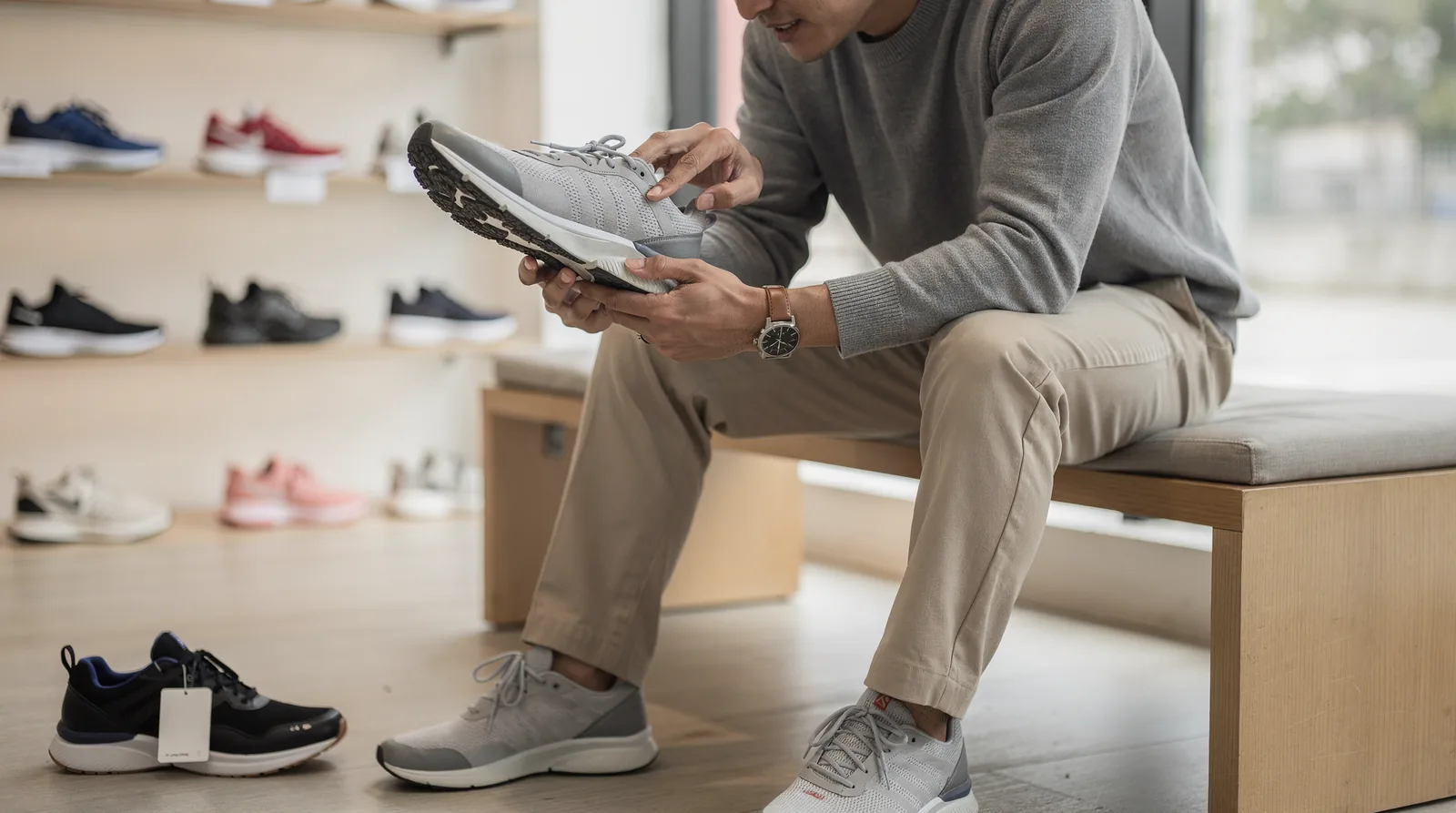
Arch structure and heel cushioning determine whether a shoe eases plantar fasciitis or worsens it. A supportive arch design keeps the foot stable. Cuts down on the sharp, stabbing pain that many men feel during those first steps out of bed each morning. Cushioning at the heel absorbs impact before it reaches the fascia, breaking the cycle of daily irritation.
Fit matters just as much as structure. The best plantar fasciitis shoes for men pair a broad toe box with a dual-density insole, giving toes room to spread while still locking the arch into place. That combination proves useful for men managing bunions or hammertoes alongside heel pain. A narrow toe box aggravates those conditions even when arch support is solid.
Do plantar fasciitis shoes work for more than just walking shoes?
Coverage matters beyond a single pair. Men need arch support at work, around the house, and outdoors, which is why sourcing shoes, slippers, and sandals from one supplier simplifies the search. Matching supportive designs to each setting keeps pressure off the heel throughout the day, not just during a morning walk.
Key features to prioritize:
- Structured arch support paired with a cushioned heel
- Broad toe box for room and stability
- Dual-density insole construction
- Availability across shoes, slippers, and sandals for all-day use
Which Shoes Offer The Best Arch Support?
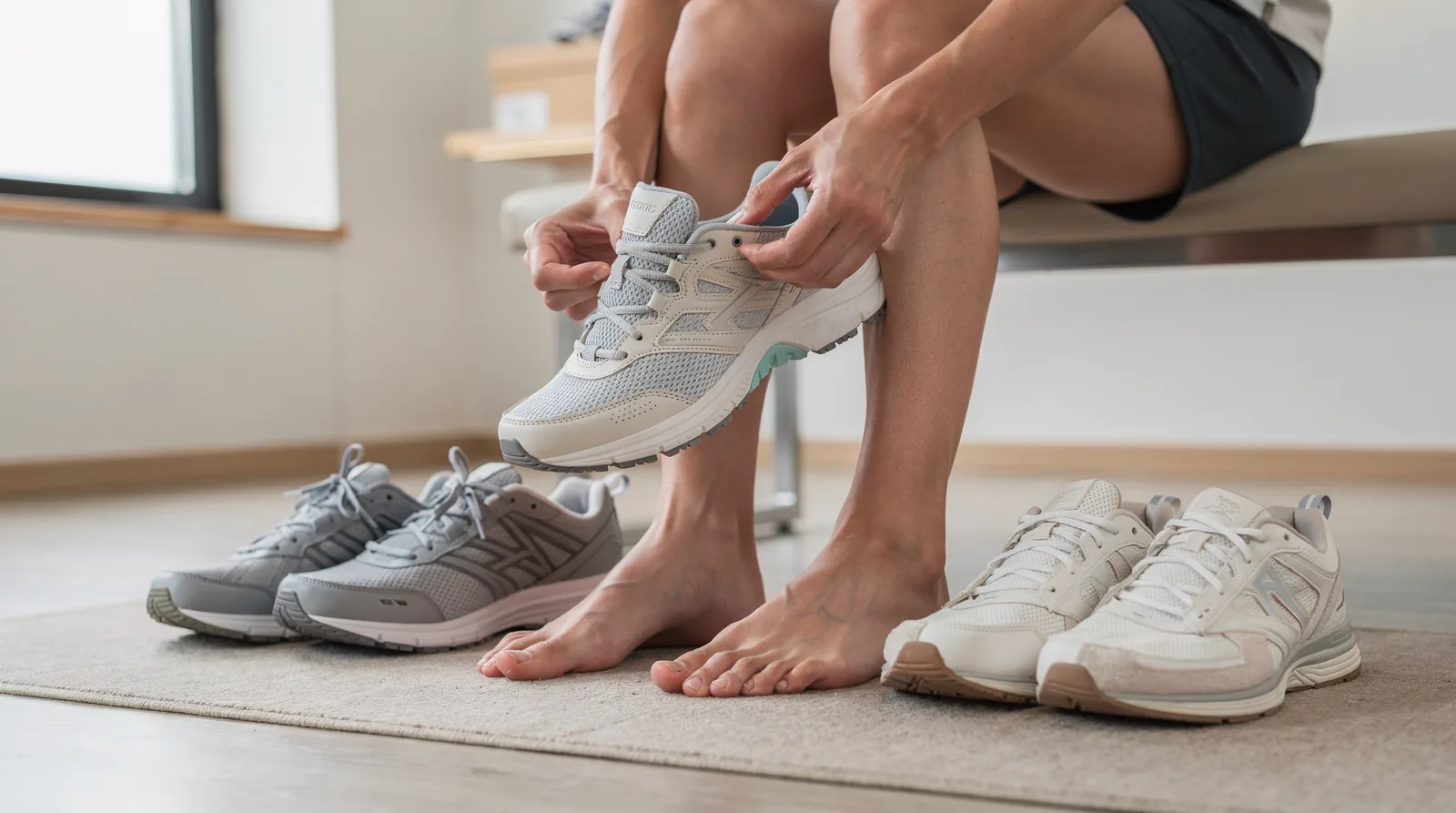
The best arch support comes from shoes matched to a man's actual daily activity, not a generic model pulled off a shelf. A construction worker standing on concrete needs different reinforcement than a warehouse employee walking on slippery, polished floors. Job type and surface conditions determine how much stability a shoe needs to deliver through the arch and heel.
Best plantar fasciitis shoes for men are not interchangeable across activities. Work environments, all-day standing, and slick surfaces each place distinct stress on the arch, so footwear designed for one scenario often fails in another. Comparing options by activity, rather than by brand alone, narrows the search faster.
What Should Men Look for When Comparing Support Levels?
Men should prioritize shoes built by specialists who focus specifically on foot conditions, rather than general athletic lines. Products crafted for maximum support target discomfort directly and give men with chronic heel pain a realistic path back to an active routine. Consider these factors when comparing:
- Activity setting (standing job, wet floors, extended walking)
- Depth and structure of the arch support
- Manufacturer specialization in orthopedic or diabetic footwear
A retailer positioned as a dedicated source for diabetic. Orthopedic shoes offers a clearer starting point than a general sneaker brand. Comparisons stay within footwear engineered for foot pain rather than general fashion or performance features. cite-2
Selecting appropriate footwear for plantar fasciitis requires prioritizing engineered arch support, cushioning systems, and structural design elements that address the underlying biomechanical factors contributing to heel pain. The shoes discussed throughout this article demonstrate how orthopedic engineering principles—including dual-density insoles, reinforced heel counters, and anatomically contoured footbeds—work synergistically to reduce plantar fascia strain and facilitate recovery. Investing in clinically designed footwear represents a foundational component of comprehensive foot health management for men experiencing plantar fasciitis symptoms.