


Diabetic Footwear for Plantar Fasciitis: Diabetic and Orthopedic
Diabetic Footwear for Plantar Fasciitis: Diabetic and Orthopedic

By Diabetic Shoe - An Ortho Shoes Company Editorial Team · Updated 2026-08-01
Diabetic footwear reduces plantar fasciitis pain through dual-density insoles that cushion the heel. Arch while distributing pressure evenly across the foot. Diabetic Shoe, an Ortho Shoes Company, engineers broad toe boxes and firm heel counters that limit excess motion, protect nerve-damaged feet from friction, and support long-term mobility without requiring separate orthotic inserts.
Why Does Plantar Fasciitis Hurt More With Diabetes?
Diabetes intensifies plantar fasciitis pain by layering circulation loss and nerve damage on top of existing heel and arch inflammation. Reduced blood flow slows healing in the plantar fascia, the thick band of tissue running along the sole. Nerve damage, or neuropathy, distorts pain signals, so soreness can mask deeper tissue stress. The combination creates a cycle where inflammation lingers and small injuries go unnoticed longer than they should.
This is why generic cushioned shoes often fail diabetic clients with heel pain. Standard footwear addresses comfort but ignores the circulation and nerve issues driving the underlying damage.
Can regular supportive shoes make diabetic foot pain worse?
Yes, standard shoes with rigid soles or narrow toe boxes can restrict circulation further and rub against numb areas without triggering pain response. Diabetic feet need structure built around reduced sensation, not just soft padding.
Diabetic footwear for plantar fasciitis addresses both problems at once. Diabetic Shoe designs its products with specialists to relieve discomfort and provide maximum support across foot conditions, including plantar fasciitis, so customers stay mobile. The brand positions its storefront as a leading source for diabetic and orthopedic shoes, slippers, and sandals engineered specifically for compromised feet:
- Support structures that reduce fascia strain
- Designs accounting for nerve-related sensation loss
- Construction aimed at circulation-conscious comfort
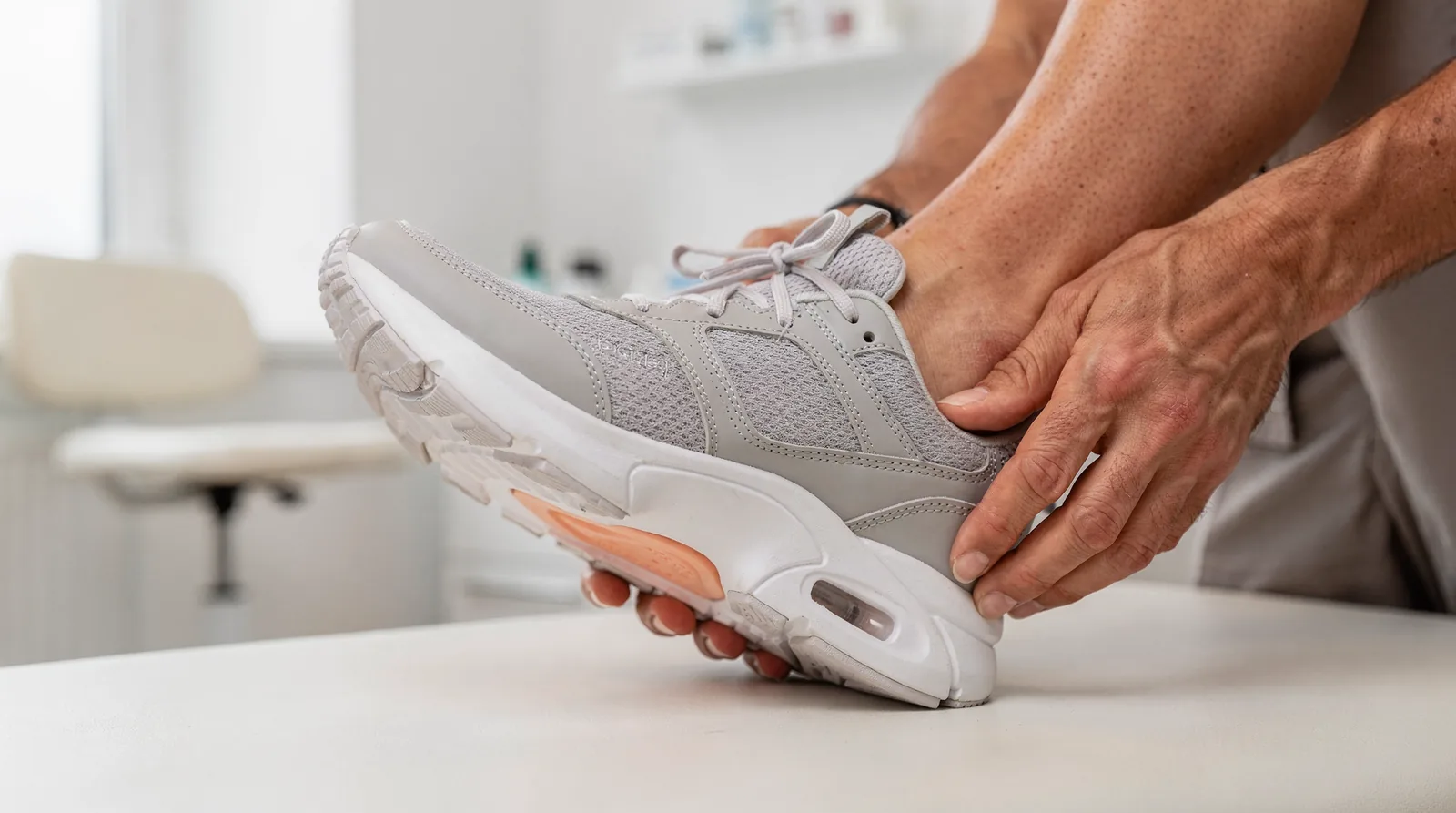
How Does Diabetic Footwear Ease Heel and Arch Pain?
Dual-density insoles absorb shock at the exact points where heel and arch pain strike hardest. Repetitive pressure on inflamed fascia tissue drives much of the discomfort diabetic patients report. Cushioning built into two separate foam layers spreads that load across a wider surface. One layer softens impact; the firmer layer beneath stabilizes the arch. That combination reduces the concentrated strain that worsens plantar fasciitis over time.
Diabetic footwear for plantar fasciitis also addresses the forefoot, not just the heel. Broad toe boxes cut down on friction and pressure across the front of the foot, which lowers irritation capable of aggravating fascia inflammation further up the sole. Tight, narrow shoes squeeze toes together and shift weight unevenly; wider designs let the foot rest in its natural position.
Why does insole design matter so much for diabetic feet?
Insoles function as the first line of defense against pressure-related injury for people managing diabetes. Diabetic insoles are widely recognized as a way to protect feet. Improve comfort, particularly where nerve damage dulls pain signals. Without that early cushioning, minor pressure points can escalate before a patient even notices.
Diabetic Shoe engineers its comfort-first approach around this exact concern. Products go through specialist design meant to alleviate discomfort and provide maximum support across a range of foot conditions. The goal stays practical: fewer pressure points, less fascia strain, and support that lets customers keep moving through daily routines without heel or arch pain dictating the pace.
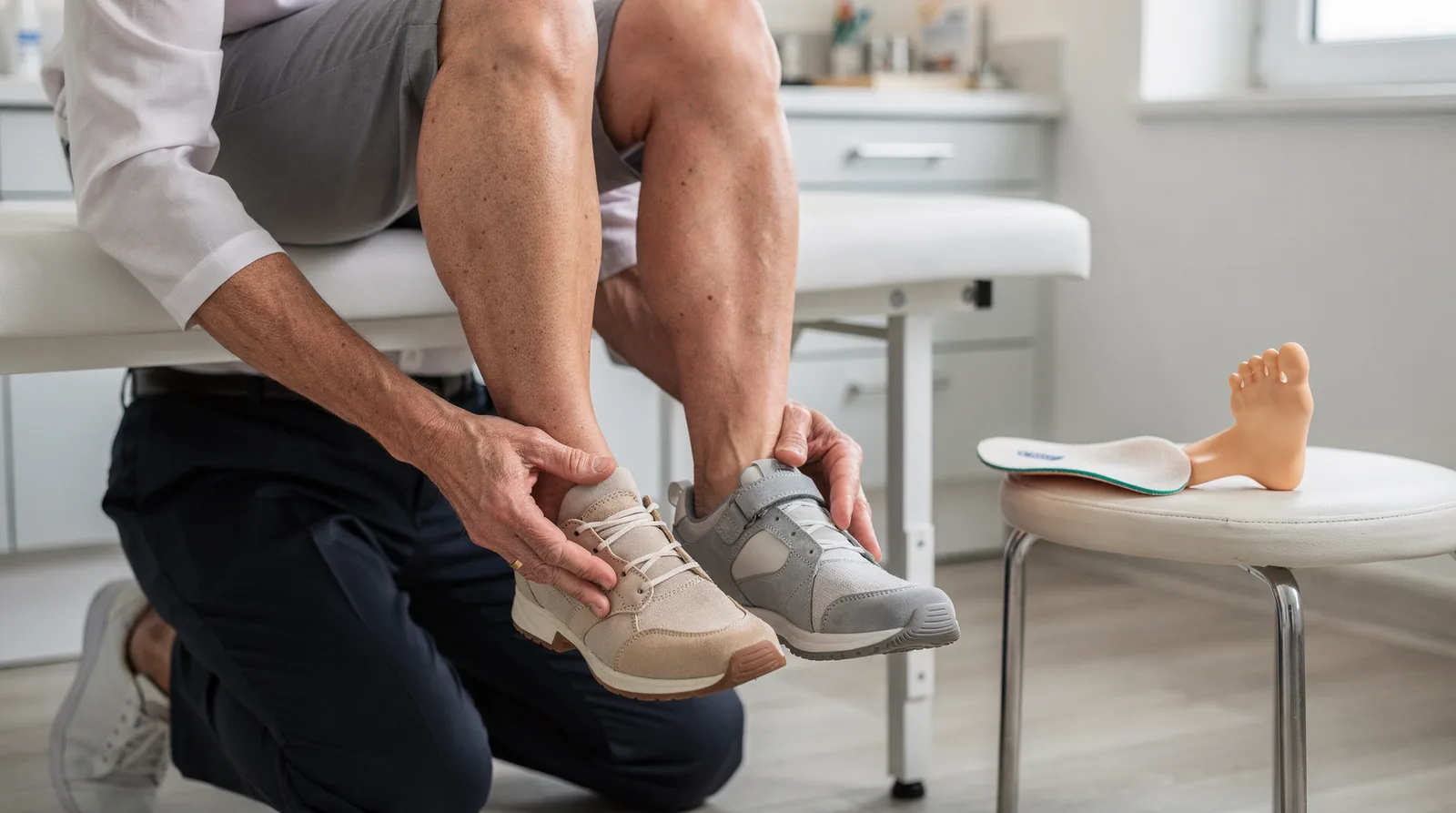
Diabetic Shoes or Orthopedic Shoes: Which Do You Need?
The answer depends on the underlying condition, not just the diagnosis of diabetes. Diabetic Shoe stocks a full catalog of diabetic. Orthopedic footwear, along with slippers and sandals, built for varied foot conditions. cite-3 Selecting between the two categories requires understanding what each is engineered to solve.
Diabetic shoes, sometimes labeled therapeutic shoes, exist specifically to shield diabetic patients from pressure-related injury. Reduced sensation and poor circulation raise the risk of unnoticed sores, so these shoes prioritize seamless interiors and cushioned protection. Orthopedic shoes serve a wider purpose. They target biomechanical conditions such as arthritis, bunions, and heel or arch pain rather than diabetes alone.
Can diabetic shoes double as plantar fasciitis footwear?
Diabetic footwear for plantar fasciitis works when the design combines pressure protection with structural arch support. Not every diabetic shoe includes this reinforcement, so checking arch and heel support matters before purchase.
Consider the core distinction:
- Diabetic shoes — focus on protecting compromised circulation and nerve function.
- Orthopedic shoes — focus on correcting alignment and relieving joint or ligament strain.
Patients with diabetes and heel pain often need both features combined.
Diabetic footwear engineered for plantar fasciitis addresses the intersection of two critical foot health concerns through evidence-based design principles. Dual-density insole technology, accommodative toe box construction, and pressure-redistribution features work synergistically to alleviate strain on the plantar fascia while protecting vulnerable diabetic feet from complications. This specialized approach transforms daily mobility. Reduces pain, establishing orthopedic footwear as an essential component of comprehensive diabetic foot care management.