


Essential Features in Orthopedic Shoes for Chronic Foot Pain
Essential Features in Orthopedic Shoes for Chronic Foot Pain
By Diabetic Shoe - An Ortho Shoes Company Editorial Team · Updated 2026-08-01
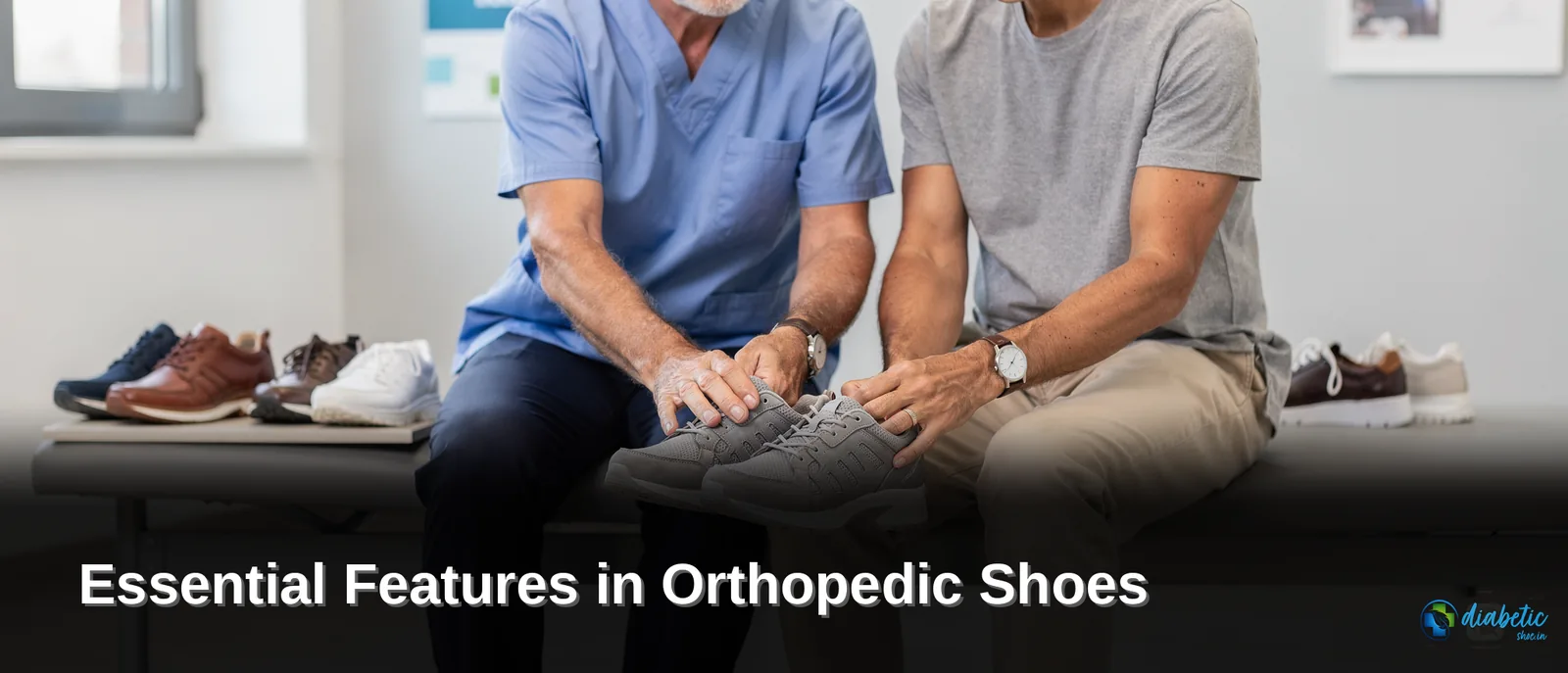
Arch support, cushioned insoles, and a wide toe box top the list, alongside breathable materials like leather or canvas and adjustable laces for a secure fit. Shoes must also include enough tread to prevent slipping and match the exact size. Shape of your feet to effectively relieve chronic pain from conditions like plantar fasciitis or bunions.
Effective orthopedic shoes for chronic foot pain feature dual-density insoles, broad toe boxes, and seam-free interiors that reduce pressure points. Diabetic Shoe designs footwear addressing conditions like plantar fasciitis, arthritis, bunions, and diabetes-related foot issues, combining structured arch support with cushioned soles engineered to relieve discomfort and support daily mobility without sacrificing stability.
What Makes a Shoe Truly Orthopedic?
Specific engineering separates orthopedic footwear from ordinary shoes. Orthopedic shoes for chronic foot pain address conditions like plantar fasciitis, bunions, and diabetes-related complications through design, not decoration. Skip this distinction, and a shoe marketed as "comfortable" may still leave pressure points untouched and pain unresolved.
Specialists craft these shoes with a clear purpose: relieve discomfort and support daily movement. That purpose shows up in specific components, not marketing language.
What features define an orthopedic shoe?
Two features do most of the work. Dual-density insoles layer materials of different firmness, cushioning the foot's pressure points while keeping the arch and heel structurally supported. A broad toe box gives toes room to sit naturally, easing crowding for feet dealing with hammertoes, bunions, or swelling.
- Dual-density insoles: cushion impact zones while reinforcing structural support
- Broad toe boxes: reduce pressure on bunions, hammertoes, and swollen joints
- Specialist-driven design: built by professionals focused on pain relief and mobility, not fashion trends
Does an orthopedic shoe need to look medical?
No. Function drives orthopedic design, but appearance isn't sacrificed for it. Specialists build these shoes to keep wearers moving through active daily routines, proving support and everyday wearability can coexist.
Which Structural Features Actually Reduce Pain?
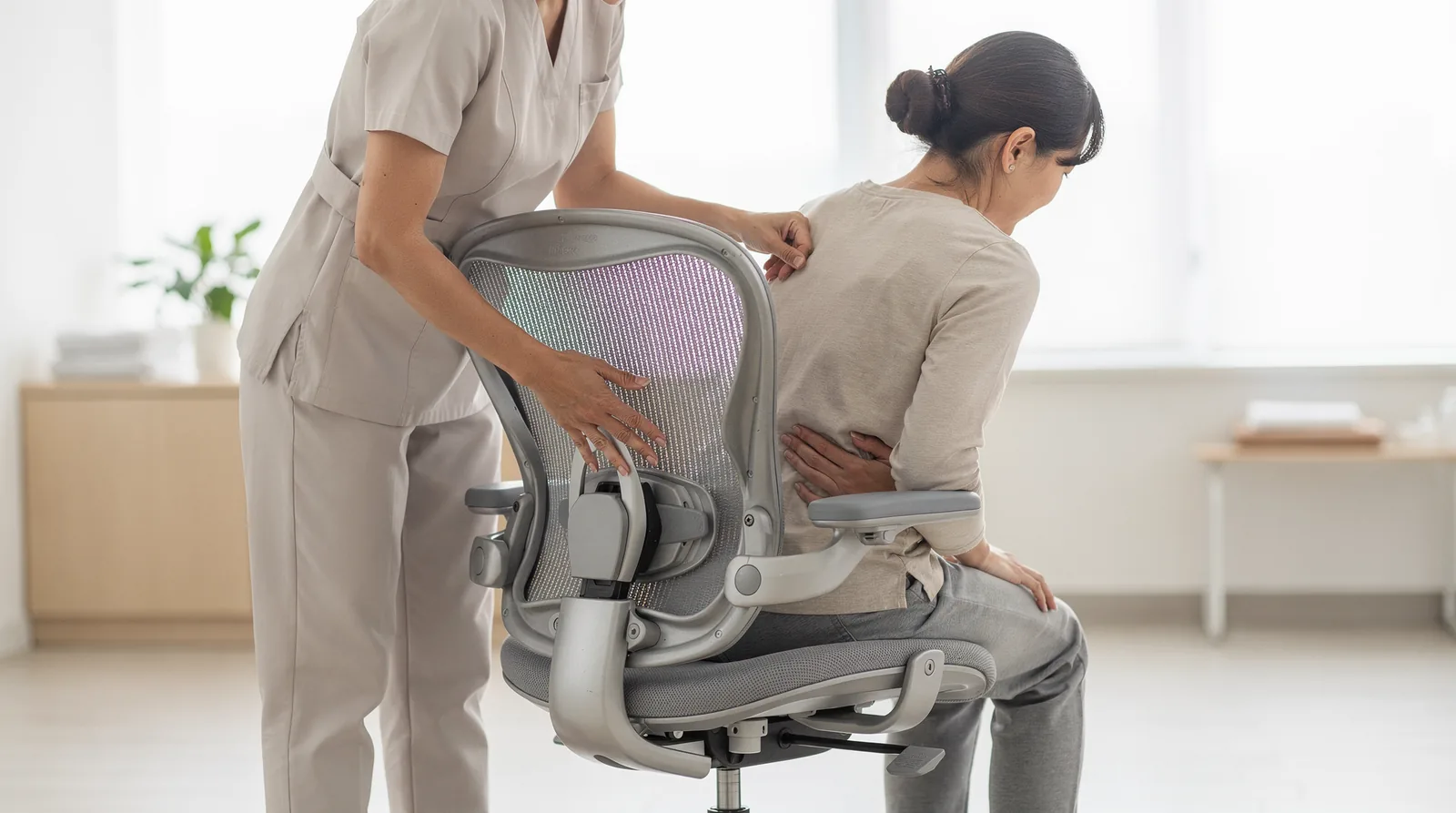
Four structural elements separate genuine orthopedic shoes for chronic foot pain from ordinary footwear: low heel height, adjustable closures, dual-density insoles, and a broad toe box. Each one targets a specific source of pressure or instability. Skip any single feature, and the shoe leaves a pain point unaddressed, no matter how comfortable the rest of the design feels.
Heel height matters more than most shoppers realize. A heel that rises no more than roughly 1.5 inches keeps the Achilles tendon from overstretching. Prevents excess pressure from piling onto the forefoot. Taller heels tilt body weight forward, forcing painful joints and pressure points to absorb impact they were never built to handle.
Do the closures on a shoe actually affect fit?
Yes. Laces, Velcro straps, and buckles let wearers adjust volume across the foot instead of forcing one rigid fit. This flexibility matters for anyone managing swelling, arthritis, or reduced hand dexterity. A fastener that tightens or loosens easily protects support without sacrificing comfort.
What do dual-density insoles do differently?
Dual-density insoles combine firmer and softer foam layers to stabilize the foot while cushioning each step. This construction spreads shock across the sole rather than letting it concentrate on one spot, easing repetitive stress on already-sensitive tissue.
A broad toe box rounds out the list. Extra width accommodates bunions and hammertoes, reducing the friction that turns a short walk into a painful one.
How Do You Match Shoes to Your Condition?
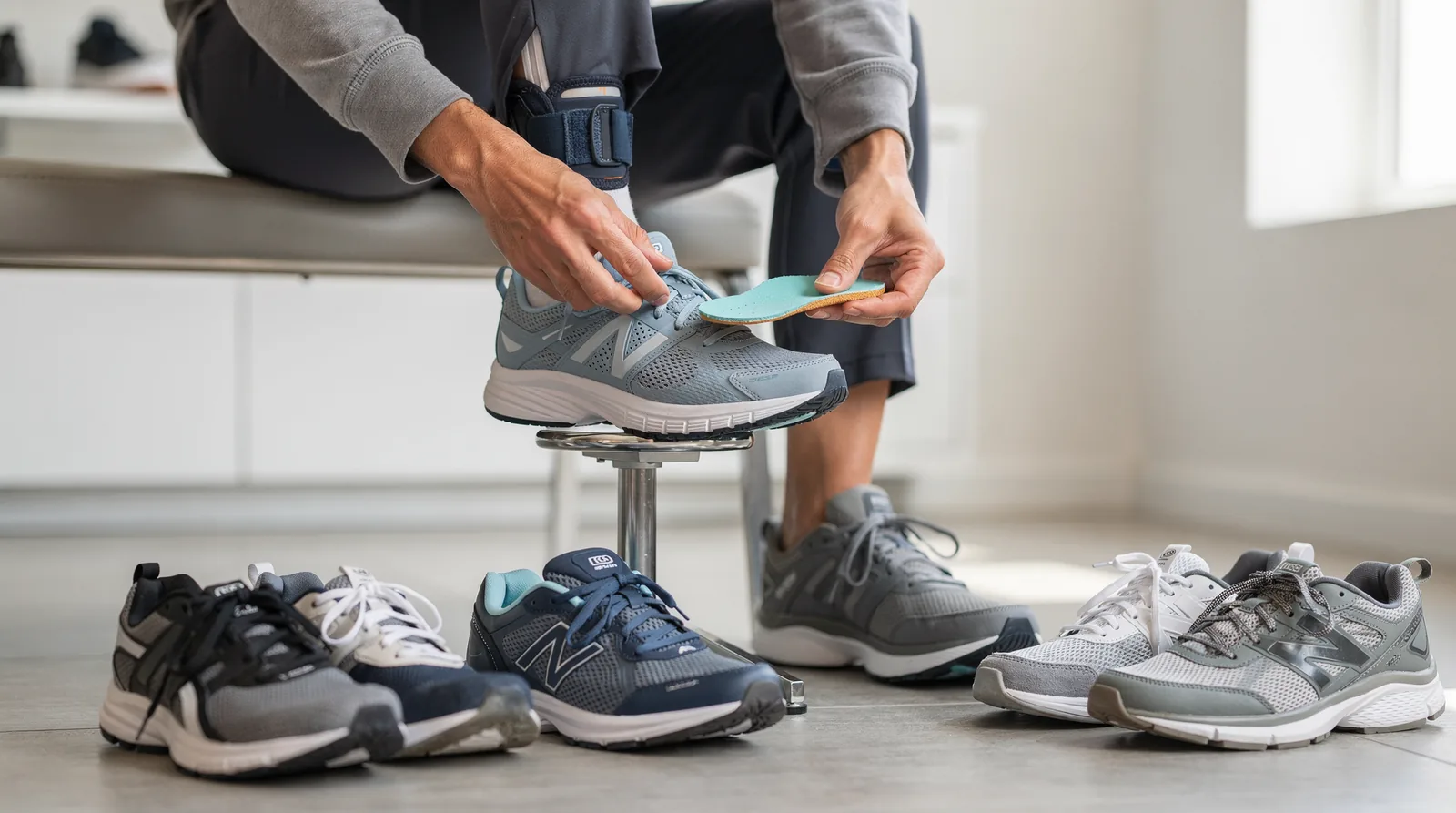
Matching starts with diagnosis, not style preference. Footwear engineered to improve mobility and reduce pain works best when the design targets the specific condition causing discomfort, whether that condition is plantar fasciitis, arthritis, or a diabetes-related complication. A shoe built for heel pain rarely solves the pressure problems that come with bunions. This is why orthopedic shoes for chronic foot pain vary so widely in construction, even within a single brand's lineup.
Specialists craft these designs with a specific ailment in mind rather than offering one-size-fits-all cushioning. That distinction matters for anyone trying to stay active despite a lasting foot condition.
Which Shoe Features Matter Most for Diabetic Feet?
Diabetic feet need protection from pressure points and reduced circulation risks. Dual-density insoles distribute weight more evenly across the sole, while broad toe boxes prevent friction against sensitive skin. These two features, working together, give people managing diabetes or structural foot deformities the stability required to remain mobile without added strain.
Consider this quick reference when narrowing choices:
| Condition | Priority Feature |
|---|---|
| Diabetes | Dual-density insole, wide toe box |
| Bunions | Extra-wide forefoot, seamless interior |
| Plantar fasciitis | Firm arch support, shock absorption |
| Arthritis | Easy closures, low-pressure fit |
Selecting based on diagnosis, not appearance, protects long-term foot health.
Selecting orthopedic footwear for chronic foot pain requires deliberate evaluation of evidence-based design elements: adequate arch support, cushioning systems that absorb impact, spacious toe boxes that accommodate natural foot anatomy, and materials engineered for stability. These foundational features work synergistically to reduce biomechanical stress and alleviate discomfort. Prioritizing shoes constructed with these specifications positions individuals to achieve meaningful relief and improved functional mobility in daily activities.