


Orthopedic Footwear for Arthritis Relief: Key Features to Consider
Orthopedic Footwear for Arthritis Relief: Key Features to Consider
By Nitesh Agrawal, Diabetic Shoe
Finding the right footwear is crucial for individuals suffering from arthritis, as proper shoes can significantly alleviate pain and enhance mobility. Arthritis can cause swelling, joint pain, and mobility issues, making it essential to wear shoes that offer adequate support and comfort. This article delves into various key features to consider when selecting orthopedic footwear specifically designed for arthritis relief. By understanding vital characteristics such as cushioning, arch support, and material quality, individuals can make informed choices that promote foot health and overall well-being. Additionally, we will explore practical tips on assessing footwear options and highlight relevant features tailored to accommodate swollen and deformed feet.
Key features for effective foot pain management in orthopedic footwear for arthritis relief include:
When searching for orthopedic footwear suitable for arthritis, several critical features can help facilitate pain management. The ideal shoes should incorporate:
- Material Quality: The choice of materials significantly influences comfort and durability.
- Cushioning: Adequate cushioning plays a vital role in absorbing shock and reducing strain on the joints.
- Arch Support: Proper arch support assists in weight distribution and enhances foot alignment.
- Wide Toe Box: Shoes with a wide toe box provide enough room for natural toe movement and reduce pressure on bunions and hammer toes.
- Adjustability: Features that allow for adjustability enable a customized fit, especially for swollen feet.
- Stability Features: Stability features help maintain proper alignment, which is crucial in preventing falls.
- Lightweight and Flexible Materials: Lightweight materials facilitate ease of movement, making it more comfortable for daily use.
- Seamless Interiors: Seamless designs reduce friction and irritation, benefiting those with sensitive skin.
- Low Heel Height: Shoes with a low heel promote better posture and reduce forefoot pressure.
- Shock Absorption: Effective shock-absorbing materials help minimize stress on joints, providing a more comfortable walking experience.
These features are integral in selecting footwear that not only caters to the needs of individuals with arthritis but also promotes overall foot health.
Material Quality
Material quality in orthopedic footwear is paramount for ensuring comfort and durability. Breathable and flexible materials like soft leather or engineered mesh significantly enhance comfort while adapting to foot shape. Proper ventilation is essential as it keeps the feet dry and comfortable. Additionally, high-quality materials contribute to the shoe’s longevity, allowing for extended wear without compromising comfort.
Cushioning
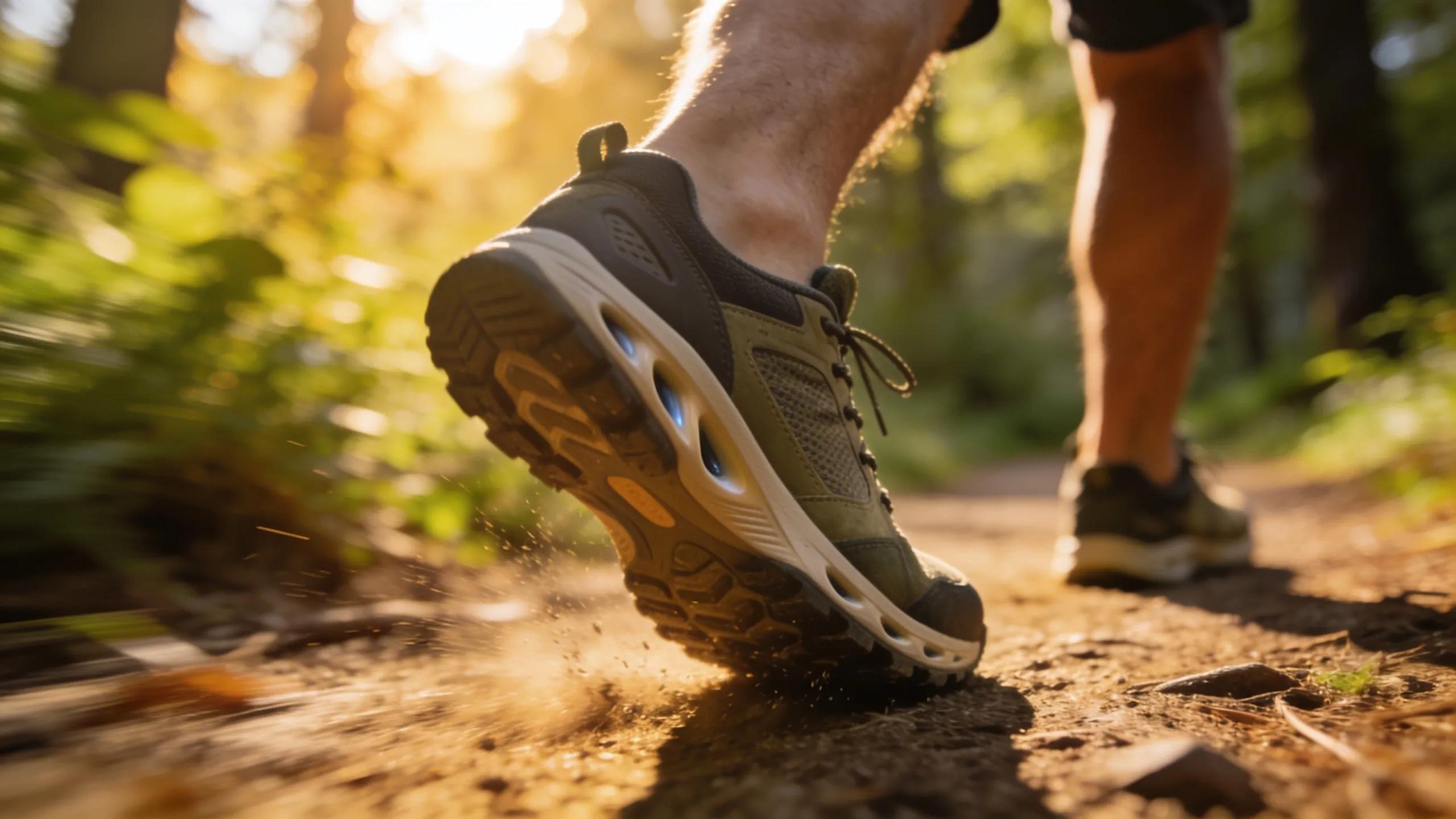
Cushioning serves a crucial role in reducing arthritis foot pain by absorbing impact and providing comfort during movement. Various cushioning materials, such as memory foam and gel, adapt to the foot's shape, alleviating pressure points. This tailored support is essential for joint care, as it helps to minimize pain during daily activities.
Arch Support
Proper arch support is vital for individuals with arthritis and pes planus. Footwear that includes contoured insoles helps to distribute weight evenly across the foot, reducing pressure on the joints. Enhanced arch support can lead to improved foot alignment, ultimately alleviating discomfort and promoting a more stable walking experience.
Wide Toe Box
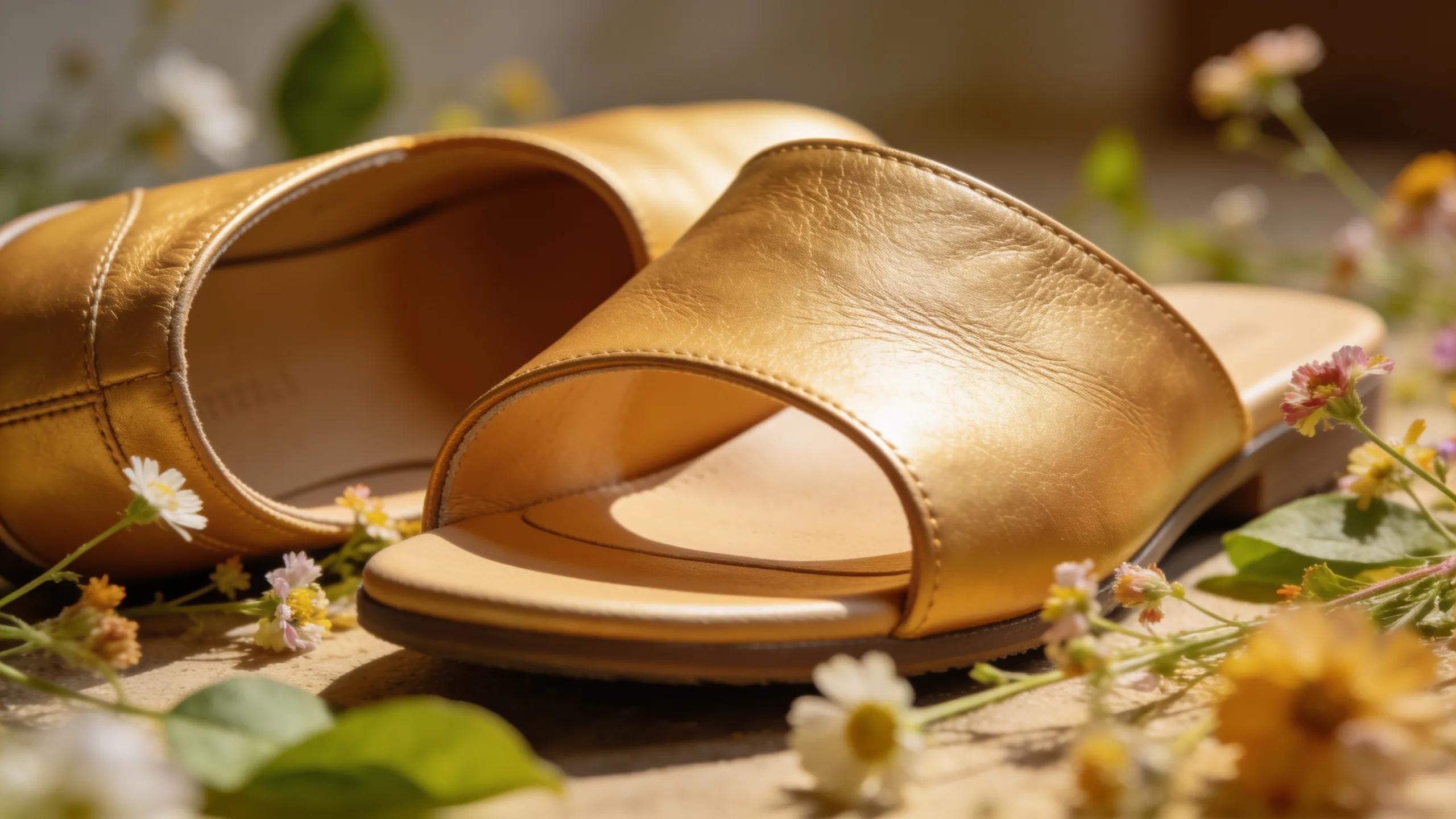
A wide toe box is advantageous for accommodating deformed and swollen feet common in arthritis. Shoes designed with ample space in the toe area allow for natural toe alignment and movement, reducing pinching and discomfort. This feature is essential for individuals dealing with bunions or hammertoes, as it promotes overall foot comfort during movement.
Adjustability
The significance of adjustable features in footwear cannot be overstated. Shoes that incorporate adjustable straps or laces provide a personalized fit, which is particularly important for individuals experiencing foot swelling throughout the day. This flexibility helps to ensure that wearers do not experience discomfort or pain due to insufficient shoe fit.
Stability Features
Stability features in orthopedic footwear greatly aid balance and prevent falls, making them especially important for individuals with arthritis. Designs that maintain proper foot alignment, such as wide bases and reinforced sides, contribute to enhanced stability. These characteristics reassure wearers, allowing them to navigate daily activities with confidence.
Lightweight and Flexible Materials
Weight plays a crucial role in comfort, particularly for individuals with arthritis. Shoes made from lightweight materials greatly reduce fatigue associated with prolonged wear, allowing for more agile movement. The flexibility of these materials supports natural foot motion, which is vital for maintaining joint health.
Seamless Interiors
Seamless interior designs can significantly improve comfort levels in orthopedic shoes. By minimizing friction, such designs help to prevent skin irritation, which is particularly beneficial for individuals with sensitivities or skin conditions related to arthritis. This detail enhances overall wearability, enabling users to focus on their activities without discomfort.
Low Heel Height
The role of low heels in orthopedic footwear supports better posture and reduces pressure on the forefoot. Footwear with a lower heel height ensures that weight is distributed more evenly, which is essential for maintaining balance and preventing strain on the feet. This design element can be a significant advantage in alleviating arthritis-related discomfort.
Shock Absorption
Effective shock absorption in footwear significantly mitigates stress on joints and enhances overall walking comfort. Quality materials designed to absorb impacts, such as specialized foams or gel inserts, play a critical role in reducing the wearer's fatigue and discomfort during daily actions.
What Are the Essential Features of Arthritis Foot Pain Shoes?
Essential features to optimize comfort for arthritis foot pain shoes include:
- Cushioning: Critical for providing comfort and absorbing impacts.
- Arch Support: Helps to prevent pain by maintaining proper foot alignment.
- Wide Toe Box: Essential for accommodating any swelling and ensuring natural toe movement.
These features collectively contribute to a more comfortable experience for individuals managing arthritis.
How Does Cushioning Help Reduce Arthritis Foot Pain?
Cushioning is fundamental in alleviating arthritis foot pain by providing a buffer against ground impact and supporting joint health. Various cushioning materials are designed to enhance comfort, allowing individuals to engage in daily activities with reduced discomfort. As such, selecting shoes with the right cushioning can significantly improve overall mobility and quality of life for those with arthritis.
Why Is Arch Support Crucial for Arthritis and Pes Planus?
Arch support is especially important for individuals suffering from arthritis and pes planus, especially with feet prone to discomfort. Proper arch support helps maintain foot alignment and can alleviate pressure on sensitive joints. It also aids in managing overall foot health, ensuring better walking mechanics and greater comfort throughout the day.
Which Footwear Options Best Accommodate Swollen and Deformed Feet?
Footwear options that best accommodate swollen and deformed feet combine several critical features. Key considerations should include:
- Ample cushioning to enhance comfort.
- Firm arch support to maintain stability.
- A wide toe box to accommodate any foot deformities.
These elements are essential in creating an effective and comfortable wearing experience for individuals dealing with these challenges.
How Do Wide Toe Boxes Benefit Bunions and Hammer Toes?
Shoes featuring wide toe boxes can alleviate discomfort for those suffering from bunions and hammer toes. By providing more room for toe movement, wide toe boxes decrease pressure on these areas, thus enhancing comfort. This design consideration is essential for managing hassle associated with foot deformities, contributing positively to the wearer's overall experience.
What Materials Are Ideal for Minimizing Pressure on Swollen Feet?
To effectively minimize pressure on swollen feet, consider materials such as:
- Soft leather: Offers flexibility and comfort.
- Engineered mesh: Provides breathability and adaptability.
- Cushioning materials like EVA foam: Offer excellent shock absorption.
Selecting footwear made from these materials helps create a more comfortable wearing experience, crucial for individuals seeking relief from arthritis-related symptoms.
How to Choose the Best Orthopedic Shoes for Arthritis and Diabetes Comorbidities?
Choosing the best orthopedic shoes for individuals with both arthritis and diabetes involves focusing on features that cater to both conditions. Key attributes include:
- Cushioning: Essential for comfort and pressure redistribution.
- Support: Proper arch and heel support to address joint pain.
- Space for swelling: Shoes should feature adjustability for fitting changes throughout the day.
This thoughtful approach allows individuals to maintain their mobility while managing their conditions effectively.
What Footwear Features Address Both Diabetic and Arthritic Foot Conditions?
Several footwear features effectively address both diabetic and arthritic conditions:
- Cushioned soles: Vital for reducing pressure and enhancing comfort.
- Adjustable features: Allow for accommodating changes in foot size, particularly due to swelling.
Focusing on these characteristics is important in optimizing foot health for individuals managing both conditions.
How Can You Assess Shoe Fit and Support for Arthritis Relief?
To accurately assess shoe fit and support for arthritis relief, it is advisable to:
- Measure both feet to account for size variations.
- Try on shoes later in the day when feet may be swollen for a better fit evaluation.
Proper assessment ensures that selected footwear provides adequate comfort and support, helping to mitigate arthritis symptoms.
What Should You Know About Caring for Arthritis Shoes to Maintain Comfort?
Caring for arthritis shoes is essential for maintaining their comfort and usability. Key tips include:
- Regularly cleaning them using mild soap and air drying.
- Storing shoes properly to help maintain their shape and support.
These maintenance practices ensure that footwear remains effective and beneficial for arthritis relief.
How Often Should Orthopedic Shoes Be Replaced or Adjusted?
Orthopedic shoes should generally be replaced every 6-12 months or sooner if signs of wear become evident. Regularly monitoring fit and comfort is vital, as changes in foot shape or swelling can necessitate adjustments or replacements.
What Are Recommended Cleaning and Maintenance Tips for Arthritis Footwear?
To ensure longevity and maintain comfort, it is important to follow these cleaning and maintenance tips for arthritis footwear:
- Use mild soap for cleaning and ensure they are air dried.
- Regular inspections for signs of wear help ensure that the shoes remain effective in providing support.
These practices contribute to preserving the functionality and comfort of orthopedic footwear.


