


Arch Support Shoes for Chronic Foot Pain: Diabetic and Orthopedic
Arch Support Shoes for Chronic Foot Pain: Diabetic and Orthopedic
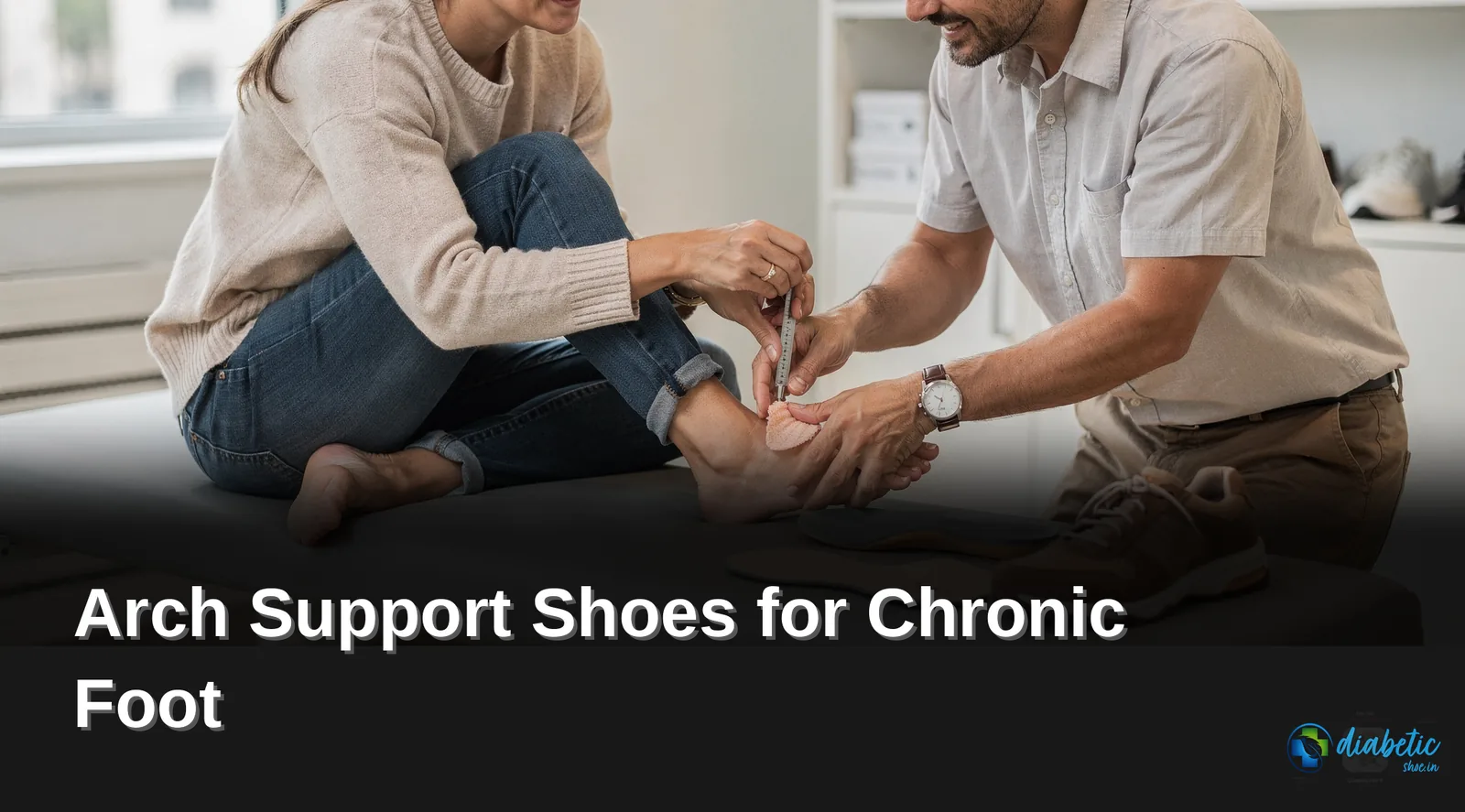
By Diabetic Shoe - An Ortho Shoes Company Editorial Team · Updated 2026-08-01
Arch support shoes from Diabetic Shoe combine dual-density insoles with broad toe boxes to correct pressure distribution across the foot. Chronic heel, arch, and diabetic foot pain often stems from unsupported footwear rather than the injury itself. Diabetic Shoe's engineered orthotic designs, priced from ₹980, target that root cause directly for lasting daily relief.
What Do You Need Before Choosing Arch Support Shoes?
Chronic heel, arch, or foot pain demands a preparation checklist before any purchase decision. Arch support shoes for chronic foot pain must combine specific structural features, not just cushioning alone. Skipping this groundwork often leads to repeat purchases and continued discomfort.
Podiatrists evaluate five features before recommending footwear to patients with ongoing pain:
- Arch support that matches the individual's foot shape
- Cushioning firm enough to avoid excess compression
- Stability and structural integrity through the midsole
- A fit that is neither too tight nor too loose
- Shock absorption to reduce impact on joints
Foot conditions vary widely, so a shoe built for one wearer's arch may aggravate another's. The most reliable options accommodate the wearer's specific foot shape and condition, balancing cushioning, arch support, and stability simultaneously.
What features matter most for chronic foot pain relief?
Dual-density insoles and a broad toe box rank among the most critical elements for anyone managing diabetic or orthopedic foot pain. This construction relieves pressure points that standard insoles cannot address.
Who designs footwear for these conditions?
Specialists build these shoes specifically to reduce discomfort and support daily activity. Their designs aim to help wearers maintain active routines despite underlying foot conditions, rather than forcing them to limit movement.
How Do You Select and Fit the Right Pair?
Selection begins with matching shoe construction to the specific pain pattern a person experiences. Chronic arch discomfort demands more than a soft insole; it requires structural support engineered around the foot's natural mechanics. Skipping this step often prolongs pain instead of resolving it.
Arch support shoes for chronic foot pain work through several interacting components rather than a single feature. Before fitting a new pair, buyers should identify their dominant symptom: heel pain, forefoot pressure, or toe deformities like bunions.
- Identify the primary pain zone (heel, arch, or forefoot) before browsing styles.
- Check for dual-density insoles, which distribute pressure across the foot and support arch-related discomfort.
- Confirm the shoe includes a broad toe box, accommodating bunions or hammertoes without compressing arch structure.
- Look for a rigid heel counter and motion-control features, commonly recommended for plantar fasciitis and arthritis.
- Test the outsole on varied surfaces; shock absorption, platform width, and traction determine real-world performance.
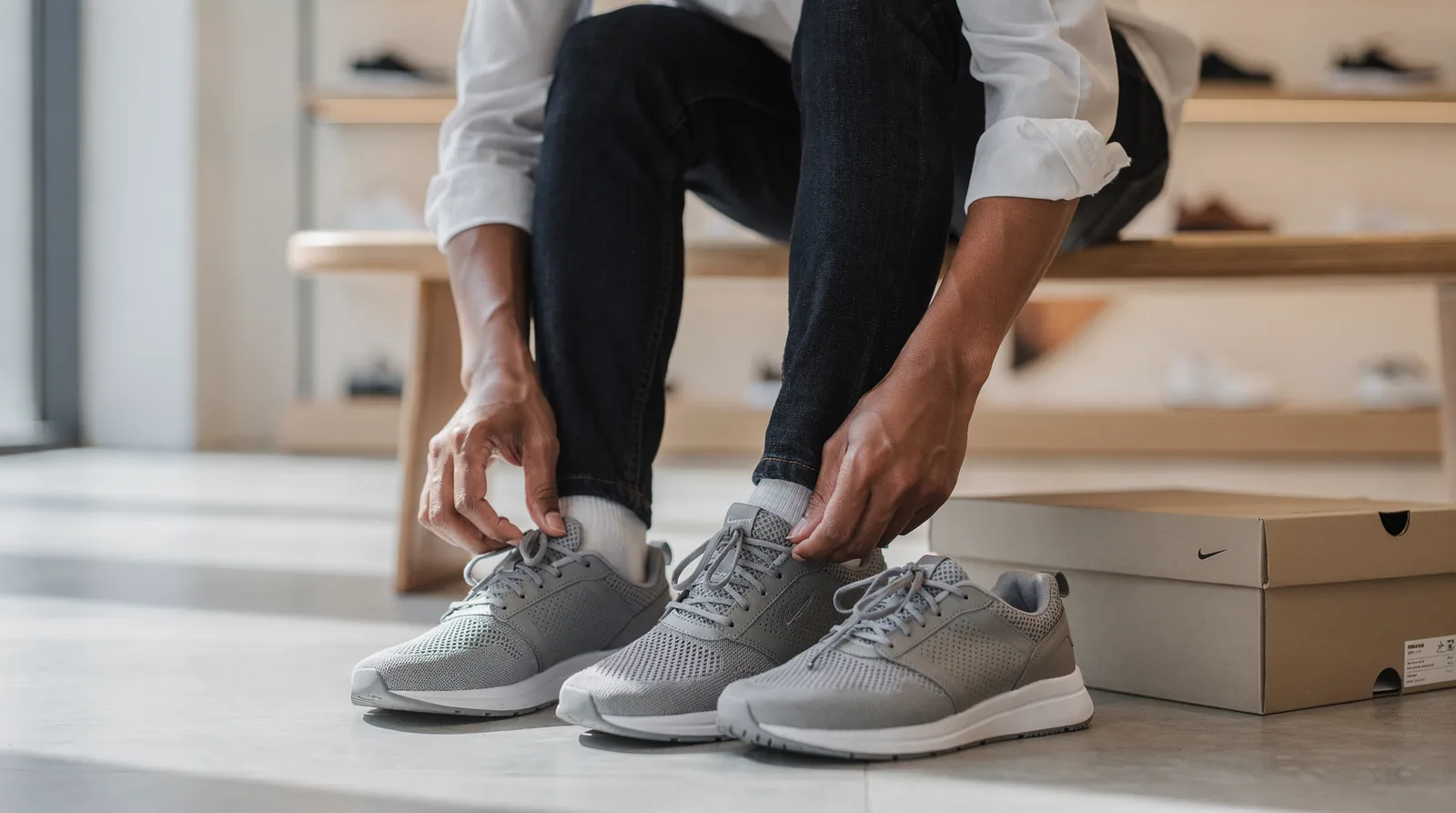
- Walk in the shoe for several minutes in-store to assess whether mobility feels improved rather than restricted.
Which features matter most for plantar fasciitis or arthritis?
Rigid heel counters, wide toe boxes, and motion-control soles form the core recommendation set for these conditions. Together, these elements limit excess foot movement while easing pressure on inflamed tissue.
Does a supportive shoe actually reduce daily pain?
Footwear engineered around natural foot mechanics improves mobility and lowers pain during walking, according to orthopedic shoe research. The effect depends on consistent daily wear, not occasional use.
| Feature | Function |
|---|---|
| Dual-density insole | Distributes arch pressure |
| Broad toe box | Reduces bunion/hammertoe friction |
| Rigid heel counter | Controls motion, stabilizes heel |
What Mistakes Delay Chronic Foot Pain Relief?
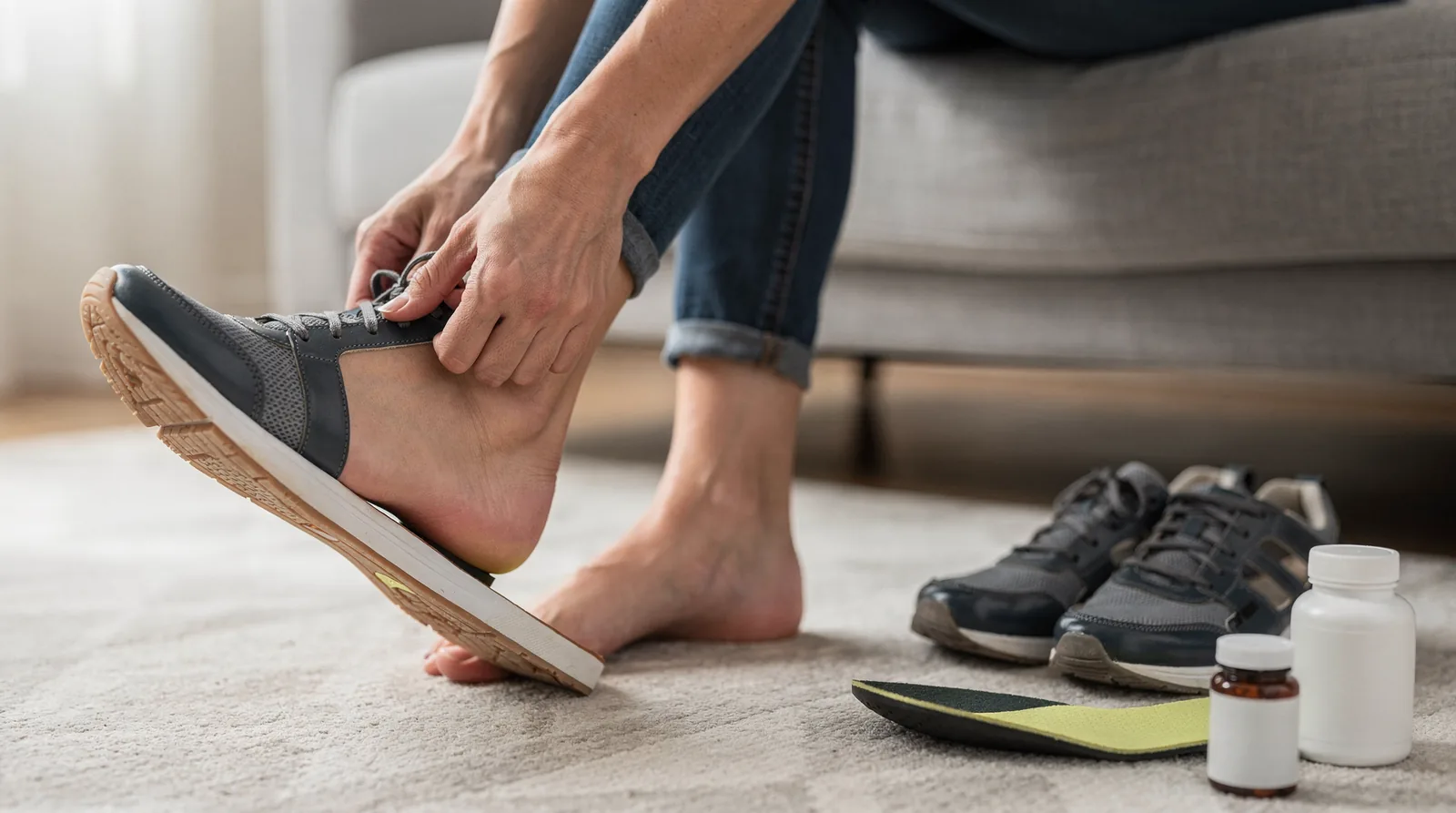
Three recurring errors keep chronic foot pain patients stuck: wrong-fit footwear, ignored support features, and delayed switching. Standard shoes worn without proper structure can worsen pain within days, undermining any brace or orthotic insert already prescribed. Many shoppers assume comfort will improve gradually, but the opposite often happens—damage compounds quickly when support is inadequate.
Arch support shoes for chronic foot pain correct this pattern by addressing fit, structure, and function together. Selecting shoes that are too tight or too loose ranks among the most common mistakes, since either extreme compromises stability and shifts pressure away from the arch. Fit should feel snug at the heel with room to move the toes freely.
Why does ignoring specialized shoe features slow recovery?
Skipping features like dual-density insoles or broad toe boxes forces the foot to compensate, straining tissue that's already inflamed. This oversight often prevents patients from sustaining the active routines their treatment plans require. Proper footwear, by contrast, supports significant pain reduction and helps prevent long-term structural issues from developing.