


The Complete Guide to Diabetic Footwear: Choosing, Caring For, and Maximizing Comfort
The Complete Guide to Diabetic Footwear: Choosing, Caring For, and Maximizing Comfort with Best Diabetic Shoes in India
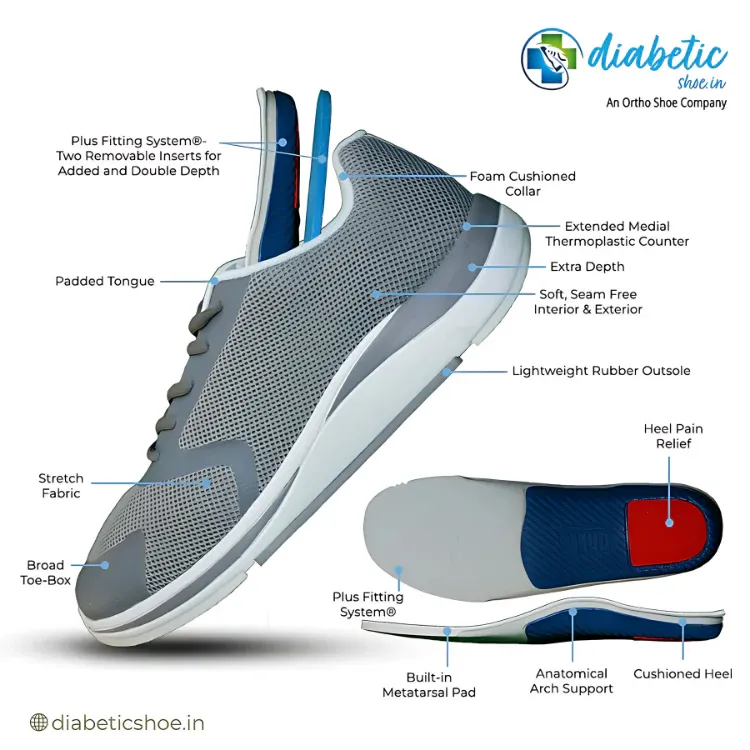
By Dr. Suresh Jhambulkar, Diabetic Shoe - An Ortho Shoes Company
Diabetic footwear is essential for individuals managing diabetes, as it plays a crucial role in preventing foot complications and enhancing mobility. This comprehensive guide will delve into the intricacies of selecting the right diabetic shoes, caring for them, and maximizing comfort. Many people with diabetes face challenges such as foot ulcers and discomfort, making it vital to choose footwear that provides adequate support and protection. Throughout this article, we will explore the key features of diabetic shoes, best practices for maintenance, and recommendations for brands that specialize in diabetic footwear. By the end, you will have a thorough understanding of how to choose, care for, and enjoy the benefits of diabetic shoes tailored to your needs.
Choosing Diabetic Shoes
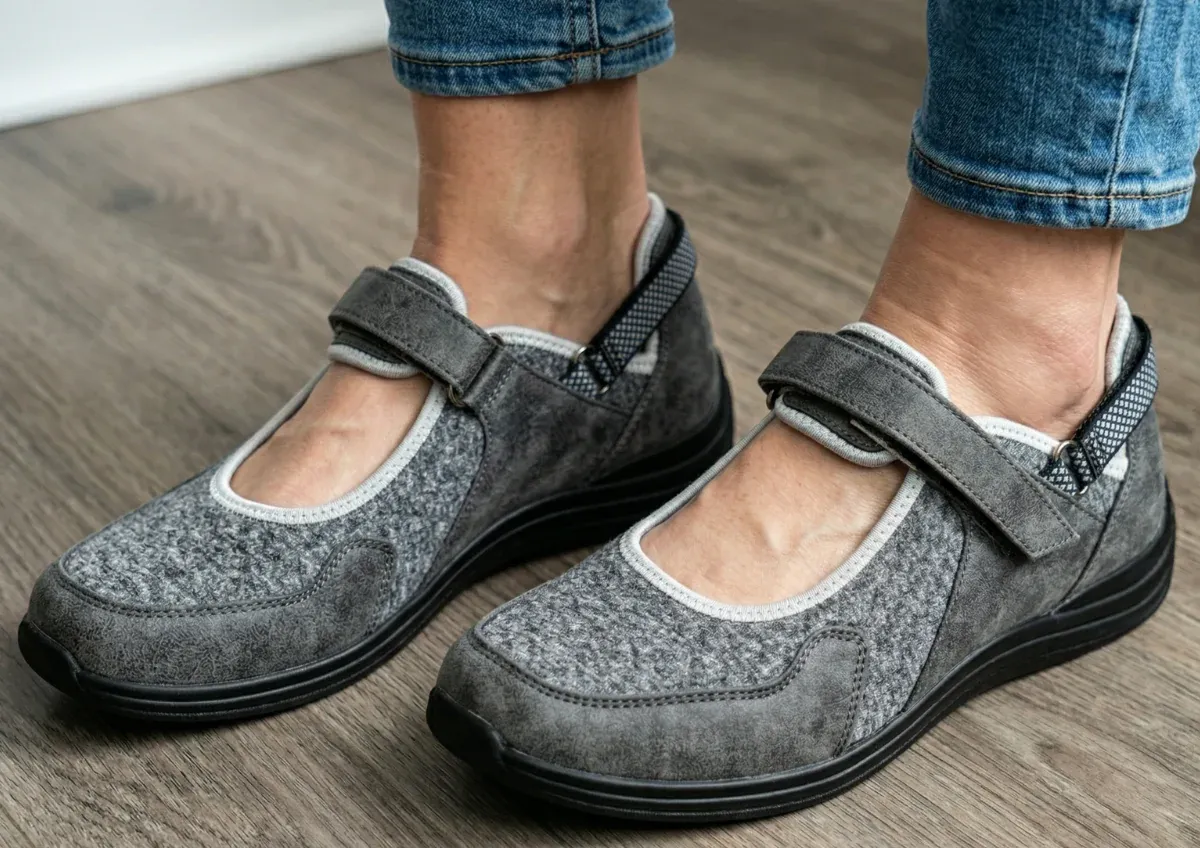
Selecting the right diabetic shoes is paramount for maintaining foot health and preventing complications. Diabetic shoes are designed with specific features that cater to the unique needs of individuals with diabetes. When choosing diabetic footwear, consider the following key aspects:
- Proper Fit: Ensure the shoes fit well without being too tight or too loose. A proper fit helps prevent blisters and sores.
- Cushioned Insoles: Look for shoes with cushioned insoles that provide shock absorption and comfort during walking.
- Breathable Materials: Shoes made from breathable materials help keep feet dry and reduce the risk of fungal infections.
These considerations are reinforced by professional guidelines emphasizing the importance of proper fit, protection, and accommodation for diabetic feet.
Guidelines for Diabetic Footwear: Fit, Protection & Education
3. We recommend health professionals managing people with diabetes should: (1) Advise people with diabetes to wear footwear that fits, protects and accommodates the shape of their feet. (2) Advise people with diabetes to always wear socks within their footwear, in order to reduce shear and friction. (3) Educate people with diabetes, their relatives and caregivers on the importance of wearing appropriate footwear to prevent foot ulceration. (4) Instruct people with diabetes at intermediate- or high-risk of foot ulceration to obtain footwear from an appropriately trained professional to ensure it fits, protects and accommodates the shape of their feet.
Diabetic Foot Australia guideline on footwear for people with diabetes, JJ Van Netten, 2018
For those seeking specialized footwear solutions, DiabeticShoe.in offers a range of diabetic shoes designed to enhance comfort and mobility for individuals with diabetic foot conditions.
Caring for Diabetic Shoes
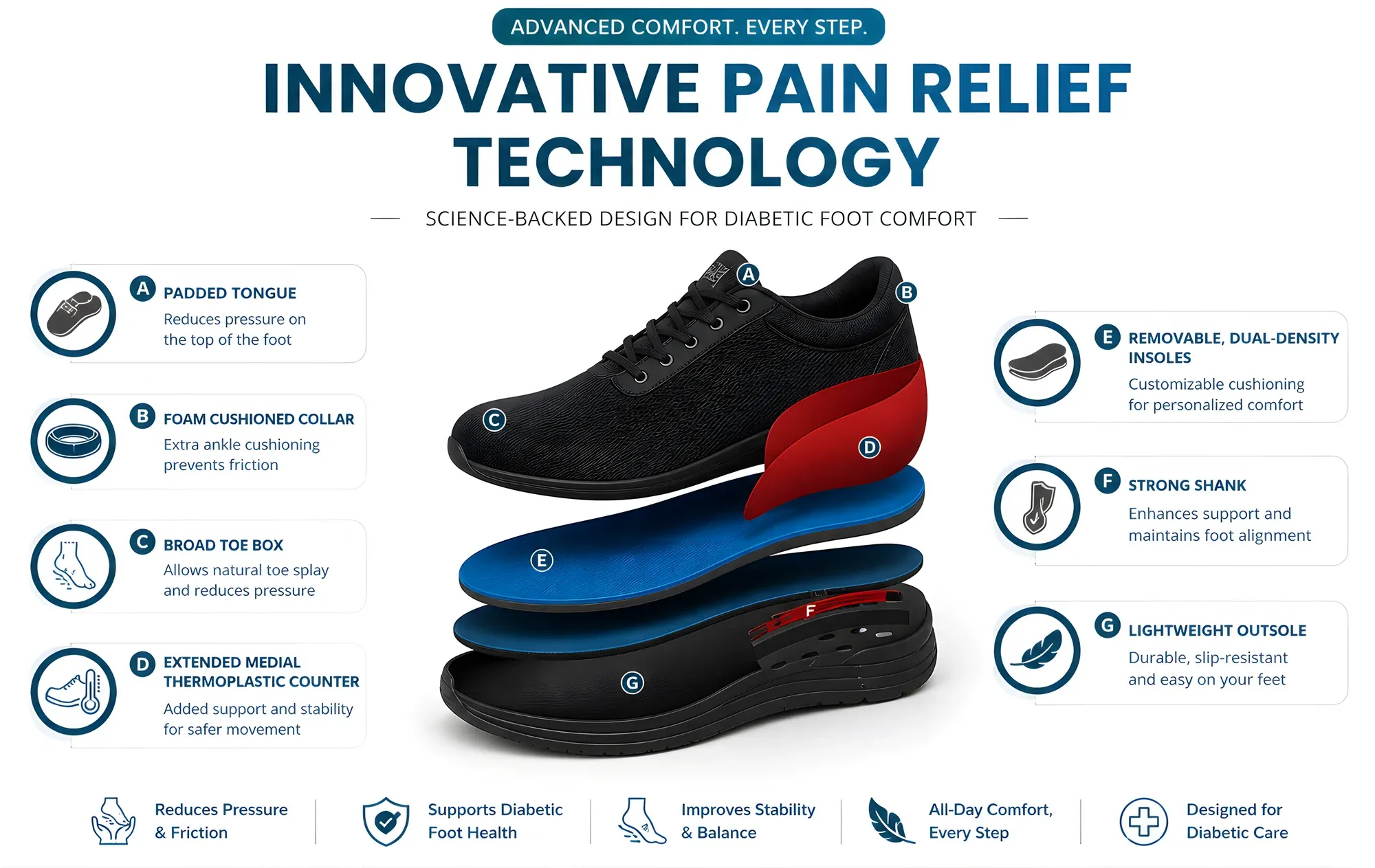
Maintaining diabetic shoes is essential for prolonging their lifespan and ensuring they continue to provide the necessary support. Here are some best practices for caring for diabetic footwear:
- Regular Inspections: Check shoes regularly for signs of wear and tear, such as cracks or worn-out soles.
- Hygiene Practices: Keep shoes clean and dry to prevent bacterial growth and foot infections.
- Replacement Guidelines: Replace shoes every 6-12 months or sooner if they show significant wear.
Specialized footwear plays a crucial role in maintaining foot health, and proper care can significantly extend the life of your diabetic shoes.
Maximizing Comfort
To enhance comfort while wearing diabetic shoes, consider the following tips:
- Cushioning and Support: Choose shoes with adequate cushioning and arch support to reduce pressure on the feet.
- Lightweight Materials: Opt for lightweight shoes that do not add unnecessary strain while walking.
- Adjustable Features: Look for shoes with adjustable straps or laces to ensure a snug fit.
By focusing on these aspects, individuals can maximize their comfort and mobility while wearing diabetic footwear.
Recommended Brands
When it comes to diabetic footwear, several brands stand out for their quality and comfort. Here are some recommended brands that offer excellent diabetic shoes:
- New Balance: Known for their supportive and cushioned shoes, New Balance offers a range of diabetic-friendly options.
- Dr. Comfort: This brand specializes in diabetic footwear, providing shoes designed for optimal comfort and protection.
- Orthofeet: With a focus on orthopedic support, Orthofeet shoes are ideal for individuals with diabetes seeking comfort and stability.
These brands are recognized for their commitment to quality and innovation in diabetic footwear.
What Are Diabetic Shoes and Their Role in Foot Care for Diabetics?
Diabetic shoes are specially designed footwear that caters to the unique needs of individuals with diabetes. They play a vital role in foot care by providing features that help prevent complications such as foot ulcers and infections. The primary benefits of diabetic shoes include:
- Prevention of Foot Ulcers: The design of diabetic shoes minimizes pressure points, reducing the risk of developing ulcers.
- Enhanced Comfort: With cushioned insoles and proper fit, diabetic shoes offer superior comfort for daily wear.
- Improved Mobility: The supportive structure of diabetic shoes aids in maintaining balance and stability while walking.
Understanding the importance of diabetic shoes is crucial for individuals managing diabetes, as they significantly contribute to overall foot health.
Further research underscores the critical role of therapeutic footwear in preventing ulceration, highlighting the ongoing efforts to align industrial practices with clinical expectations.
Diabetic Footwear Design Priorities & Ulcer Prevention
1. Therapeutic footwear plays an important role in preventing ulceration in people with diabetes. Despite guidelines recommending offloading footwear for individuals at risk of ulceration, limited data are available on the alignment between current industrial practices, clinical expectations, and evidence. This study explored current practices, priorities and challenges associated with diabetic footwear from manufacturers’ and clinicians’ perspectives across Europe.
Current strategies and priorities for diabetic footwear design and production: a cross-European exploratory survey of clinicians and shoemakers, H Sarlak, 2026
How Do Diabetic Shoes Prevent Foot Ulcers and Enhance Mobility?
Diabetic shoes prevent foot ulcers through several mechanisms:
- Seamless Interiors: Many diabetic shoes feature seamless interiors that reduce friction and irritation on the skin.
- Cushioned Soles: The cushioning in diabetic shoes absorbs shock and distributes pressure evenly across the foot.
- Wide Toe Boxes: A wider toe box allows for natural toe movement, preventing pinching and discomfort.
These features not only help in preventing foot ulcers but also enhance mobility by providing a stable and comfortable walking experience.
What Are the Key Features of Effective Diabetic Footwear?
Effective diabetic footwear should possess several key features to ensure optimal foot health:
- Proper Fit: Shoes should fit snugly without being too tight, allowing for natural foot movement.
- Breathable Materials: Shoes made from breathable fabrics help keep feet dry and comfortable.
- Shock Absorption: Effective diabetic shoes should have shock-absorbing soles to reduce impact during walking.
These features are essential for maintaining foot health and preventing complications associated with diabetes.
How to Choose the Right Diabetic Shoe Types for Optimal Comfort and Protection?
Choosing the right type of diabetic shoe involves considering various factors:
- Activity Level: Select shoes based on your daily activities, whether for walking, standing, or casual wear.
- Foot Shape: Consider your foot shape and any specific needs, such as wide or narrow feet.
- Material Preferences: Choose materials that provide comfort and breathability, such as leather or mesh.
By evaluating these factors, individuals can select diabetic shoes that offer both comfort and protection.
What Criteria Should Be Used in a Diabetic Shoe Buying Guide?
When purchasing diabetic shoes, consider the following criteria:
- Fit and Comfort: Ensure the shoes fit well and provide adequate comfort for extended wear.
- Support Features: Look for shoes with arch support and cushioning to enhance comfort.
- Durability: Choose shoes made from high-quality materials that can withstand daily use.
These criteria will help guide your purchasing decision, ensuring you select the best diabetic footwear for your needs.
How to Measure Feet Accurately for Diabetic Shoes?
Accurate foot measurement is crucial for selecting the right diabetic shoes. Follow these steps:
- Professional Measurement: Have your feet measured by a professional to determine the correct size.
- Timing for Measurement: Measure your feet at the end of the day when they are most swollen to ensure a proper fit.
- Checking for Comfort: Try on shoes with the same socks you plan to wear to ensure comfort and fit.
By measuring your feet accurately, you can avoid discomfort and potential foot complications.
What Are the Best Practices for Caring and Maintaining Comfortable Diabetic Footwear?
To ensure your diabetic shoes remain in good condition, follow these best practices:
- Regular Inspections: Check for signs of wear and replace shoes as needed.
- Hygiene Maintenance: Keep shoes clean and dry to prevent infections.
- Proper Storage: Store shoes in a cool, dry place to maintain their shape and integrity.
Implementing these practices will help prolong the life of your diabetic footwear.
How to Clean and Preserve Diabetic Shoes and Therapeutic Socks?
Cleaning and preserving diabetic shoes and therapeutic socks is essential for maintaining foot health. Here are some tips:
- Cleaning Methods: Use mild soap and water to clean shoes, avoiding harsh chemicals that can damage materials.
- Storage Tips: Store shoes in a well-ventilated area to prevent moisture buildup.
- Replacement Frequency: Replace therapeutic socks regularly to ensure they provide adequate support and hygiene.
By following these cleaning and preservation tips, you can maintain the quality of your diabetic footwear.
What Are the Recommended Storage and Replacement Guidelines?
Proper storage and timely replacement of diabetic shoes are crucial for foot health. Consider the following guidelines:
- Storage Conditions: Store shoes in a cool, dry place away from direct sunlight to prevent material degradation.
- Signs of Wear: Replace shoes when you notice significant wear, such as worn-out soles or loss of cushioning.
- Replacement Frequency: Aim to replace diabetic shoes every 6-12 months, depending on usage.
Adhering to these guidelines will help ensure your diabetic shoes remain effective and supportive.
How to Maximize Comfort and Mobility with Complementary Diabetic Foot Care Products?
Complementary products can enhance the comfort and effectiveness of diabetic footwear. Consider the following:
- Therapeutic Socks: These socks provide additional cushioning and moisture control, enhancing overall comfort.
- Insoles: Custom or cushioned insoles can improve fit and support, reducing pressure on the feet.
- Foot Care Routines: Implementing a regular foot care routine can help maintain foot health and prevent complications.
By incorporating these complementary products, individuals can maximize their comfort and mobility while wearing diabetic shoes.
What Are the Benefits of Therapeutic Socks and Insoles?
Therapeutic socks and insoles offer several benefits for individuals with diabetes:
- Pressure Relief: These products help distribute pressure evenly across the foot, reducing the risk of ulcers.
- Moisture Control: Therapeutic socks wick moisture away from the skin, preventing fungal infections.
- Enhanced Comfort: Cushioned insoles provide additional support, making walking more comfortable.
Utilizing therapeutic socks and insoles can significantly improve the overall experience of wearing diabetic footwear.
How Do Heel Pain Shoes Provide Pressure Relief for Diabetic Patients?
Heel pain shoes are designed to alleviate pressure and provide support for diabetic patients. They typically feature:
- Cushioned Heels: These shoes have extra cushioning in the heel area to absorb shock and reduce impact.
- Shock-Absorbing Soles: The soles are designed to minimize pressure on the feet, enhancing comfort during movement.
- Proper Arch Support: Heel pain shoes often include arch support to maintain foot alignment and reduce strain.
These features make heel pain shoes an excellent choice for diabetic patients seeking relief from discomfort.
What Are the Latest Industry Insights and Medical Recommendations for Diabetic Footwear in India?
Recent insights into diabetic footwear emphasize the importance of proper fit and specialized design. Medical professionals recommend:
- Regular Foot Assessments: Individuals with diabetes should have regular foot assessments to identify potential issues early.
- Education on Foot Care: Patients should be educated on the importance of proper footwear and foot hygiene.
- Advancements in Technology: New materials and designs are being developed to enhance the comfort and effectiveness of diabetic shoes.
Staying informed about these insights can help individuals make better choices regarding their footwear.
What Are the Recent Statistics on Diabetic Foot Ulcer Prevalence and Foot Care?
Recent statistics indicate that diabetic foot ulcers are a significant concern, with prevalence rates varying by region. Key statistics include:
- Prevalence Rates: Approximately 15% of individuals with diabetes will develop a foot ulcer at some point in their lives.
- Impact of Foot Care: Proper foot care can reduce the risk of ulcers by up to 85%.
- Demographic Insights: Certain populations, such as older adults and those with poor glycemic control, are at higher risk.
Understanding these statistics highlights the importance of proactive foot care and the role of diabetic footwear in prevention.
Specifically in India, where diabetes prevalence is high and rising, understanding the prevalence and risk factors of DFUs is essential for effective healthcare planning and intervention strategies.
Diabetic Foot Ulcer Prevalence & Risk Factors in India
1. Diabetes mellitus is a prevalent chronic health condition associated with high blood glucose levels. Among its complications, diabetic foot ulcers (DFUs) are particularly concerning due to their potential for infection and lower extremity amputation. In India, where diabetes prevalence is high and rising, understanding the prevalence and risk factors of DFUs is essential for effective healthcare planning and intervention strategies.
Prevalence and risk factors associated with diabetic foot ulcer in India: a systematic review and meta-analysis, SS Sahu, 2025
How Does Structured Data and Semantic SEO Enhance Diabetic Footwear Information?
Structured data and semantic SEO play a crucial role in enhancing the visibility and accessibility of diabetic footwear information. Key benefits include:
- Improved Search Engine Ranking: Utilizing structured data helps search engines understand content better, improving ranking.
- Enhanced User Experience: Semantic SEO provides users with more relevant search results, making it easier to find information.
- Increased Engagement: Well-structured content encourages user engagement and retention, leading to better outcomes.
Implementing these strategies can significantly improve the dissemination of information related to diabetic footwear.
To explore options tailored for men, consider browsing the men's diabetic shoes collection.
Similarly, for women seeking specialized footwear, the women's diabetic shoes collection offers a variety of choices.
For a comprehensive selection, explore the diabetic footwear options available to find the perfect fit and style.