


Best Orthopedic Footwear for Active Men With Plantar Fasciitis
Best Orthopedic Footwear for Active Men With Plantar Fasciitis
By Diabetic Shoe - An Ortho Shoes Company Editorial Team · Updated 2026-08-01
Orthofeet Coral stretch-knit
Effective plantar fasciitis relief for men requires shoes built with dual-density insoles. Broad toe boxes, like those from Drew Shoes at Diabetic Shoe. These orthopedic designs distribute pressure evenly across the heel and arch, reducing strain on the plantar fascia. Proper support prevents worsening inflammation, easing daily discomfort during standing, walking, or extended work hours.
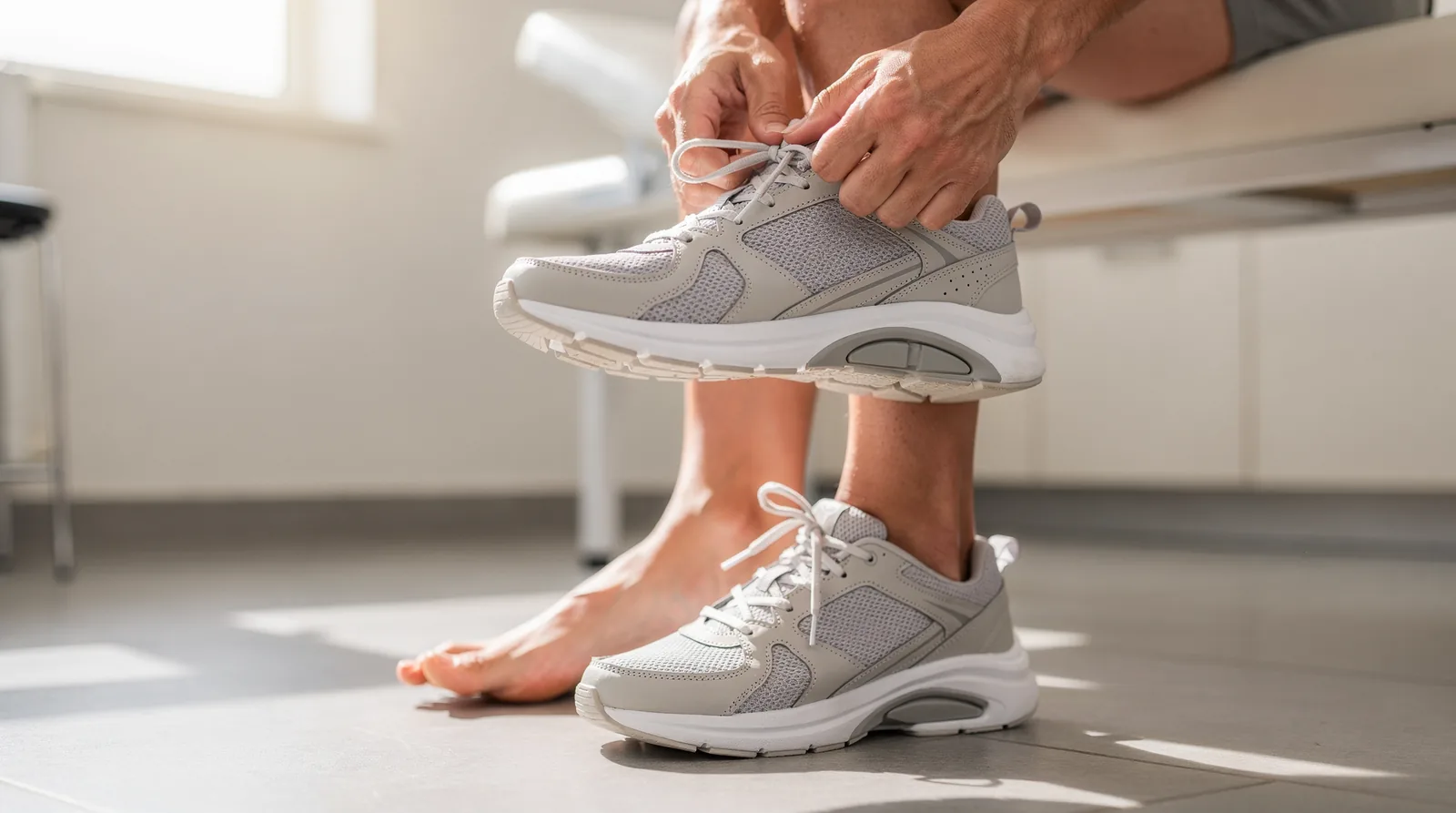
What Makes a Shoe Orthopedic for Plantar Fasciitis?
Engineered support features separate orthopedic footwear from a shoe that simply feels soft. Orthopedic footwear for active men relies on structural elements built into the shoe rather than surface-level padding. Two features define the category most consistently: dual-density insoles, which combine a firmer base layer with a softer top layer, and broad toe boxes that let the forefoot spread naturally without compression. General athletic and casual shoes rarely include either feature, which is why footwear brands market diabetic and orthopedic shoes as a separate product class built specifically for foot pain relief rather than general athletic use.
Beyond insole construction, two mechanical factors determine whether a shoe actually protects the plantar fascia.
Does arch support matter for plantar fasciitis?
Arch support matters because it distributes body weight more evenly across the foot. Without it, pressure concentrates on the heel and midfoot, raising peak strain on the plantar fascia with every step.
Why does heel cushioning make a difference?
Heel cushioning absorbs impact at the point where the foot strikes the ground hardest. Extra padding under the heel, combined with a slight heel elevator, reduces the shock transmitted upward through the fascia during walking.
Together, these elements form a checklist worth using while comparing options:
- Dual-density insole construction
- Wide toe box for forefoot spread
- Reinforced arch support
- Cushioned, slightly elevated heel
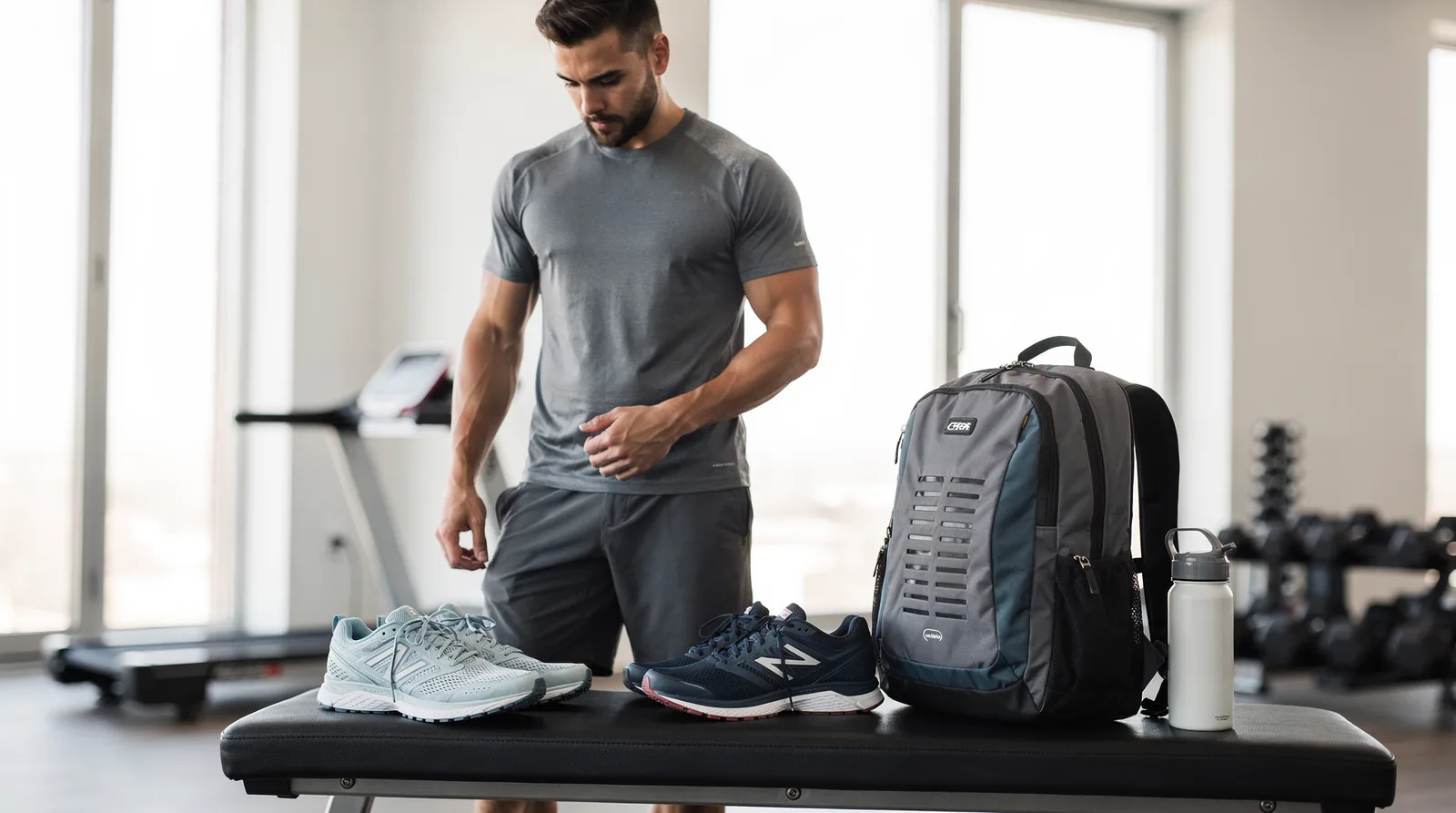
Which Features Matter Most for Active Men?
Five structural elements separate footwear that supports an active routine from footwear that quietly undermines it: toe box width, midsole cushioning, arch support, outsole traction, and overall build quality. Men who stay on their feet for work, exercise, or daily errands lose ground fast when shoes lack these fundamentals. Heel pain worsens, compensation injuries develop in the knees and hips, and activity levels drop. Orthopedic footwear for active men is engineered by specialists specifically to prevent that decline, offering structured support so wearers can keep moving instead of retreating to the couch.
Toe box width deserves particular attention. A broad toe box reduces pressure on the forefoot, which matters most for men managing hammertoes or bunions alongside plantar fasciitis. Cramped toe boxes compress these conditions further and accelerate discomfort during long walks or shifts on hard floors.
Do orthopedic shoes work for people with physically demanding jobs?
Yes. Men recovering from injury or surgery need the same structural reinforcement as those on their feet all day in construction, healthcare, or retail settings. Chronic heel pain and job-related foot stress both demand stable platforms and shock-absorbing soles.
Independent lab testing confirms which features actually perform. Evaluators measure:
- Shock absorption across different outsole densities
- Breathability of upper materials
- Durability under repeated wear
- Platform width for stability
- Traction on varied surfaces
Research consistently points to two priorities: reducing strain on the plantar fascia and supporting natural foot biomechanics. Both principles guide sound footwear selection for men managing persistent heel pain.
How Should Men Choose the Right Pair?
Selection depends on matching a shoe's construction to the actual source of pain, not just its cushioning. Men with heel and arch discomfort need footwear engineered to target plantar fasciitis directly, using orthotic insoles, structured soles, and ergonomic shaping rather than generic padding. A shoe that merely feels soft may still allow the plantar fascia to overstretch with every step.
What arch type matters most for plantar fasciitis?
Arch structure differs from man to man, and that difference changes which shoe actually helps. Retailers classify orthopedic footwear for active men by high, medium, or low arch categories so buyers can match support to their specific foot shape. Choosing the wrong arch category can leave the fascia unsupported even in an otherwise well-built shoe.
Does budget limit access to real support?
Support features exist across a broad range of price points, not just premium tiers. Collections span multiple budgets, giving men the option to prioritize specific support elements based on condition severity rather than price alone.
Beyond arch and budget, men should weigh any coexisting conditions:
- Diabetes, which demands protective, seam-free interiors
- Arthritis, which requires easier closures and flexible uppers
- Isolated plantar fasciitis with no other complications
Specialists design these products to address each condition individually. Matching the shoe to the whole foot profile matters more than treating heel pain as an isolated issue.
Selecting appropriate orthopedic footwear represents a critical intervention for managing plantar fasciitis effectively. The shoes discussed throughout this analysis demonstrate that engineered comfort features—including dual-density insoles, accommodative toe boxes, and structured arch support—address the biomechanical factors contributing to heel pain. Individuals experiencing plantar fasciitis benefit from prioritizing footwear that combines clinical design principles with sustained comfort, establishing a foundation for improved mobility and reduced symptomatology.