
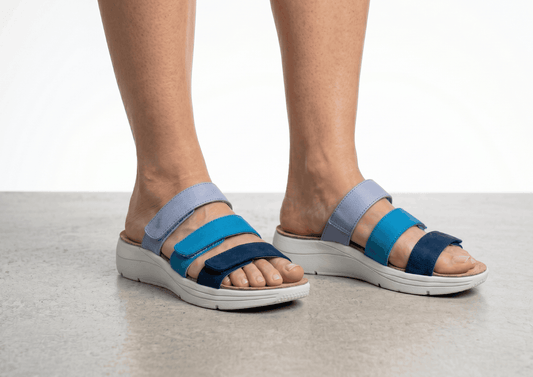
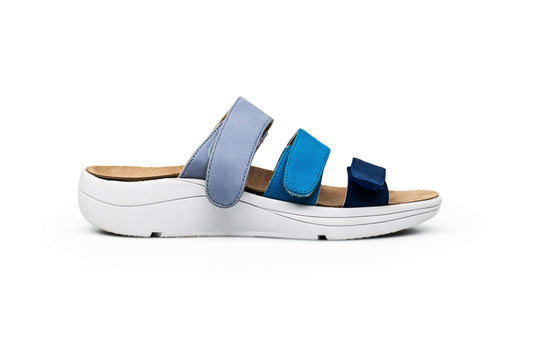
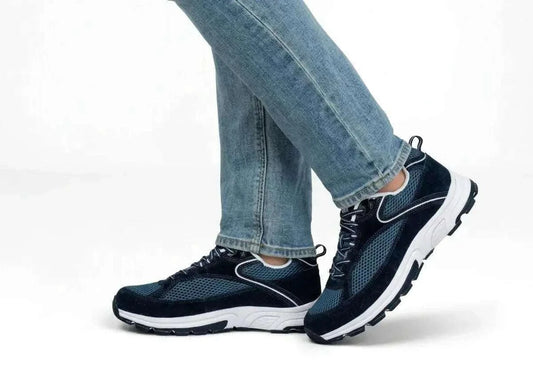
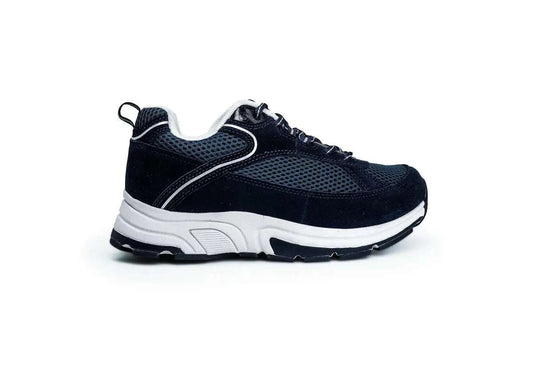
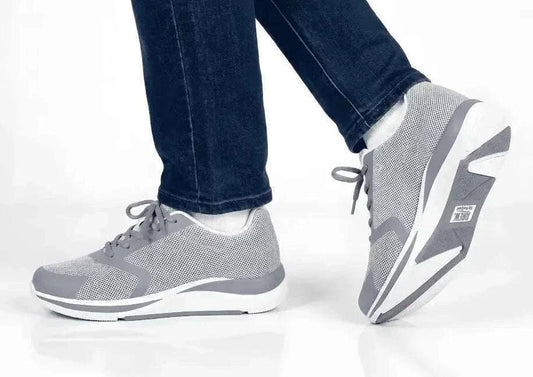
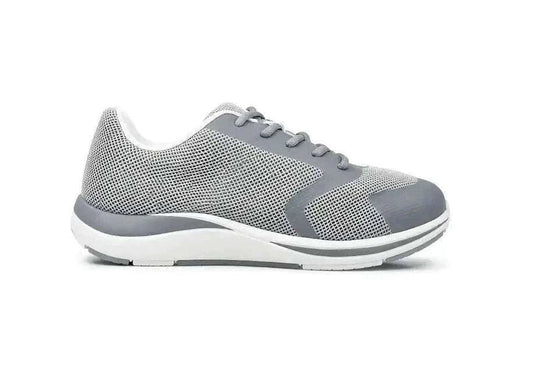

Essential Features of Quality Diabetic Footwear
Essential Features of Quality Diabetic Footwear: Comprehensive Guide to Diabetic Shoe Benefits and Materials
By Dr. Ankit Tiwari, Diabetic Shoe - An Ortho Shoes Company
Diabetic footwear is engineered to address the specific clinical needs of individuals with diabetes and associated foot pathology. These products contribute to the prevention of complications such as foot ulcers and neuropathic injury that can result from inappropriate footwear selection. This guide examines the principal design features, clinical benefits, and material specifications of quality diabetic shoes. It also provides selection guidance and reviews current design trends relevant to clinicians and procurement professionals.
Comprehensive Guide on Essential Features of Quality Diabetic Footwear
High-quality diabetic footwear combines protective design, therapeutic support, and user comfort. Key attributes include accurate sizing, adequate cushioning systems, pressure-relief geometry, and breathable upper materials. Recognizing these features supports evidence-based selection to reduce injury risk while maintaining ambulatory function.
Benefits of Diabetic Shoes:
- Prevention of Complications: Diabetic shoes help reduce the risk of foot ulcers and infections by providing adequate support and protection.
- Enhanced Comfort and Support: The cushioning and arch support in diabetic shoes ensure that individuals can walk comfortably for extended periods.
- Improved Circulation: Properly designed diabetic footwear promotes better blood flow, which is essential for foot health.
DiabeticShoe.in specializes in supplying clinically oriented diabetic footwear that aligns with these functional requirements, enabling users to identify appropriate fits for specific clinical presentations.
Materials Used:
The selection of materials directly affects durability, thermal regulation, moisture management, and pressure redistribution. Typical components include breathable textile uppers, viscoelastic or EVA-based cushioning, and abrasion-resistant outsole compounds chosen for slip resistance and structural support.
- Breathable Fabrics: These materials help keep the feet dry and comfortable, reducing the risk of fungal infections.
- Cushioned Interiors: Soft padding within the shoes provides additional comfort and shock absorption.
- Durable Soles: High-quality soles offer stability and support, essential for preventing slips and falls.
Awareness of material properties assists clinicians and consumers in selecting footwear that meets clinical and lifestyle requirements.
Further research emphasizes the importance of material selection for insoles to achieve optimal comfort and protective function for diabetic feet.
Diabetic Foot Insole Material Selection & Evaluation
ABSTRACT: Background: The selection of materials for multilayer insoles for diabetic feet is complex due to limited technical data on candidate materials. Objective criteria were therefore established for material selection. Methods: Mechanical and comfort-related characterisation tests were applied to various materials and combinations, using standardized test methods for polymeric cellular materials.
Physical evaluation of insole materials used to treat the diabetic foot, 2008
Key Characteristics for Comfort and Protection:
Several design characteristics warrant consideration to maximize protection and user comfort. These include accurate anatomical fit, accommodation for deformity and edema, and internal finishes that minimize friction and shear.
- Proper Fit: Shoes should fit well without being too tight or too loose, as improper fit can lead to blisters and other foot issues.
- Extra Depth and Width: Many diabetic shoes are designed with additional depth and width to accommodate foot deformities and swelling.
- Seamless Interiors: Shoes with seamless interiors help prevent irritation and rubbing against the skin.
These design attributes are integral to reducing mechanical stressors that contribute to ulceration and other diabetes-related foot complications.
Systematic reviews highlight that optimizing footwear and insole design is a key strategy to reduce ulceration risk in anatomically high-pressure regions.
Footwear & Insole Design for Diabetic Ulcer Prevention
In people with diabetes, offloading high-risk plantar regions through optimized footwear or insoles may prevent ulceration. This systematic review aimed to summarise and evaluate evidence for footwear and insole features that reduce pathological plantar pressures and the incidence of neuropathic plantar forefoot ulceration.
Footwear and insole design features that reduce neuropathic plantar forefoot ulcer risk in people with diabetes: a systematic literature review, S Ahmed, 2020
Tips for Selecting the Right Diabetic Footwear:
Selection should be guided by clinical assessment and functional requirements. Key actions include consulting a podiatrist, confirming current foot measurements, and prioritizing products with validated supportive features.
- Consult a Podiatrist: Always seek professional advice to ensure that the selected footwear meets your specific needs.
- Measure Feet Regularly: Foot size can change over time, so it's important to measure your feet regularly to ensure a proper fit.
- Prioritize Quality: Invest in high-quality diabetic shoes that provide the necessary support and comfort.
At DiabeticShoe.in, a curated range of diabetic footwear is available to align product specifications with individual clinical and comfort requirements.
How Does Cushioning Material Provide Shock Absorption and Injury Prevention?
Cushioning materials function to attenuate ground reaction forces and redistribute peak pressures across plantar surfaces. Appropriate midsole and insole materials reduce localized loading, mitigate impact-related microtrauma, and may lower the incidence of conditions such as plantar fasciitis in populations with reduced pedal sensation.
Clinical evaluations demonstrate that data-driven, custom-made footwear concepts can produce measurable plantar pressure reduction, an important objective in ulcer prevention.
Custom Diabetic Footwear for Plantar Pressure Relief
Aims: To assess the effect of data-driven custom-made footwear concepts on plantar pressure relief to prevent diabetic foot ulceration. Methods: Twenty-four neuropathic diabetic patients at high risk of foot ulceration underwent in-shoe plantar pressure measurements during walking in four data-driven custom-made footwear conditions, an athletic shoe, and an off-the-shelf non-therapeutic shoe. Optimizing footwear for the diabetic foot: Data-driven custom-made footwear concepts and their effect on pressure relief to prevent diabetic foot ulceration, 2020
Why Is Proper Fit and Sizing Critical for Diabetic Footwear Effectiveness?
Correct fit minimizes mechanical shear, pressure concentration, and instability. Shoes that are too tight increase focal pressure and blister risk; shoes that are too loose compromise balance and gait stability. Routine measurement and accommodation for deformity or edema are essential to maintain protective function.
Which Protective Materials and Technologies Enhance Diabetic Footwear Performance?
Protective materials and engineering elements that improve footwear performance include polymer-based midsoles for energy absorption, advanced cushioning systems for impact attenuation, and engineered breathable textiles for microclimate control. Each contributes to durability, pressure redistribution, and user comfort.
- Polymer Materials: These materials provide durability and flexibility, essential for maintaining the shoe's shape and support.
- Cushioning and Padding: Advanced cushioning technologies offer superior shock absorption and comfort.
- Breathable Materials: Fabrics that allow for airflow help keep the feet dry and comfortable, reducing the risk of infections.
These material and technological innovations collectively enhance the clinical utility of diabetic footwear.
What Role Do Breathable and Antimicrobial Materials Play in Moisture Control?
Breathable constructions facilitate convective and evaporative cooling to reduce local moisture accumulation. Antimicrobial treatments inhibit microbial colonization, lowering the risk of cutaneous infection. Combined, these properties support a dermatologically favorable environment for at-risk feet.
How Do Arch Support and Stability Features Prevent Foot Complications?
Arch support and structural stability distribute load more evenly across the foot and maintain coronal plane alignment. Reinforced heel counters and medial support elements reduce excessive pronation or collapse, thereby limiting mechanical stress that can lead to soft tissue injury.
How Do Specialized Diabetic Shoes Address Specific Foot Conditions Like Neuropathy and Heel Pain?
Specialized diabetic footwear incorporates targeted interventions such as increased internal volume, enhanced cushioning at vulnerable sites, and accommodative last shapes to reduce peak plantar pressures. These design choices address pain syndromes and sensory deficits by reducing focal tissue loading and providing controlled support.
What Design Elements Are Essential for Neuropathy Footwear?
Design elements that support neuropathic patients include energy-absorbing cushioning, low-friction seamless interiors, and expanded toe-box volumes to allow natural digit positioning and reduce focal pressure points.
- Cushioning and Support: Adequate cushioning helps to absorb shock and reduce pressure on sensitive areas.
- Seamless Interiors: Shoes with seamless designs minimize friction and irritation on the skin.
- Wide Toe Box: A wider toe box allows for natural toe movement and reduces the risk of pressure sores.
These elements are central to reducing mechanical risk factors for ulceration in neuropathic feet.
Which Features Make Heel Pain Shoes Therapeutic and Supportive?
Therapeutic heel pain footwear combines heel cushioning, appropriate longitudinal arch contouring, and robust construction to maintain functional support over time. The integration of these features reduces repetitive loading and supports rehabilitation objectives.
- Cushioned Heels: Extra padding in the heel area helps to absorb shock and reduce pressure.
- Proper Arch Support: Arch support is essential for maintaining foot alignment and reducing strain on the heel.
- Durable Construction: High-quality materials ensure that the shoes provide long-lasting support and comfort.
When combined, these features provide a therapeutic platform for managing heel pain.
What Are the Benefits of Therapeutic Socks and Their Integration with Diabetic Footwear?
Therapeutic socks complement footwear by providing moisture management, additional cushioning, and compression profiles that can support circulation. The layered approach reduces friction and augments pressure distribution when combined with appropriate shoes.
- Improved Circulation: Compression features in therapeutic socks can enhance blood flow to the feet.
- Moisture Management: These socks often use moisture-wicking materials to keep feet dry and comfortable.
- Layered Protection: Therapeutic socks provide an additional layer of protection against friction and pressure.
Integrating therapeutic socks with diabetic footwear can materially improve foot care outcomes and day-long comfort.
How Do Therapeutic Socks Complement Diabetic Shoe Features for Foot Care?
Therapeutic socks provide a secondary interface that reduces shear, enhances microclimate control, and adds padding where clinically indicated. Paired with designed footwear, they improve overall load management and skin protection.
What Materials and Properties Define Effective Therapeutic Socks?
Effective therapeutic socks are produced from moisture-wicking fibers, include strategically placed cushioning, and incorporate antimicrobial treatments where appropriate. These properties address hygiene, pressure mitigation, and comfort requirements for diabetic patients.
- Moisture-Wicking Fibers: These materials help to keep feet dry by drawing moisture away from the skin.
- Cushioning and Padding: Extra padding provides comfort and reduces pressure on sensitive areas.
- Antimicrobial Protection: Antimicrobial properties help to prevent the growth of bacteria and fungi, reducing the risk of infections.
The combination of these material characteristics supports therapeutic objectives for foot protection.
How to Choose the Best Diabetic Shoes: Criteria and Comparison of Available Options
Selection criteria should include anatomical fit, material performance, cushioning characteristics, and construction quality. Evaluating these parameters facilitates evidence-based comparisons across available products.
- Proper Fit: Ensure that the shoes fit well and accommodate any foot deformities.
- Breathable Materials: Look for shoes made from breathable fabrics to keep feet dry.
- Cushioning and Support: Select shoes that offer adequate cushioning and arch support.
Comparative assessment against these criteria enables informed procurement decisions that align with clinical priorities.
What Factors Should Be Considered When Selecting Diabetic Footwear?
Consider regular foot measurements, prioritize clinically validated quality over initial cost, and consult healthcare professionals to ensure footwear selection matches patient-specific pathology and functional needs.
- Regular Foot Measurements: Feet can change size over time, so regular measurements are essential.
- Quality Over Price: Invest in high-quality shoes that provide the necessary support and comfort.
- Consulting Professionals: Seek advice from healthcare professionals to ensure the selected footwear meets your specific needs.
Attention to these factors reduces the likelihood of fit-related complications and improves long-term outcomes.
How Do Feature Comparison Tables Assist in Making Informed Choices?
Feature comparison tables provide a structured overview of specifications, performance attributes, and price points. They facilitate objective evaluation and support decision-making by highlighting trade-offs between models.
What Are the Latest Industry Trends and Research Insights on Diabetic Footwear Materials and Design?
Recent developments prioritize advanced cushioning materials, data-driven customisation, and engineered breathability to improve pressure redistribution and user comfort. Emerging evidence suggests these trends can positively influence clinical endpoints related to foot health.
How Are Advances in Cushioning and Breathability Improving Diabetic Shoe Comfort?
New material formulations and ventilated constructions increase shock absorption and air exchange, reducing thermal and mechanical stress on plantar tissues. These advances contribute to sustained comfort and potentially lower injury risk during ambulation.
What Do Recent Studies Reveal About Diabetic Foot Care and Footwear Efficacy?
Peer-reviewed studies consistently indicate that appropriately designed footwear is a critical component of diabetic foot care, with associations between therapeutic footwear use and reduced incidence of some foot complications.
For a wider selection, explore our men's diabetic shoes collection.
Consider exploring women's diabetic shoes for specialized designs.
If you are experiencing discomfort, consider shoes for heel pain.
Frequently Asked Questions
What should I look for in diabetic footwear for outdoor activities?
For outdoor use, specify shoes with high-traction outsoles, structural stability, and impact-attenuating midsoles. Materials should provide breathability and moisture management. Ensure the selected model accommodates any deformity or transient swelling to maintain protection during activity.
How often should I replace my diabetic shoes?
Replacement intervals typically range from six to twelve months, depending on usage patterns and observable wear. Inspect soles, cushioning integrity, and internal structure regularly; replace footwear when functional support or fit is compromised.
Can I wear regular shoes if I have diabetes?
Regular footwear may lack the protective and accommodative features required for diabetic feet and is generally not advisable for individuals at elevated risk. Diabetic-specific footwear provides pressure redistribution, cushioning, and internal design features intended to reduce complication risk.
What role do orthotic inserts play in diabetic footwear?
Orthotic inserts modify load distribution, enhance arch support, and improve alignment. Custom or semi-custom orthoses can reduce peak plantar pressures and address specific biomechanical abnormalities; consultation with a podiatric specialist is recommended for optimal outcomes.
Are there specific brands known for quality diabetic footwear?
Several manufacturers specialise in diabetic and therapeutic footwear; examples include New Balance, Brooks, and DiabeticShoe.in. Selection should be based on clinical fit, material performance, and documented user outcomes rather than brand alone.
How can I ensure my diabetic shoes are the right fit?
Ensure correct fit by measuring feet at the end of the day, wearing intended socks during fitting, and verifying toe clearance and internal volume. Walk in the shoes to assess support and identify pressure points; adjust sizing or model selection as indicated.
What are the benefits of using diabetic socks with diabetic footwear?
Diabetic socks provide moisture-wicking, additional cushioning, and reduced seam friction. Compression variants can assist venous return. When combined with appropriate footwear, socks contribute to a protective interface that supports skin integrity and comfort.


